In our fast-paced world, education often feels like an isolated journey, with students navigating their paths through the maze of textbooks, tests, and technology.
Yet, at the heart of effective education lies a vibrant community, an intricate web of relationships that supports, nurtures, and uplifts every individual involved.
This community is more than just a backdrop; it is a living, breathing entity that fosters growth and resilience.
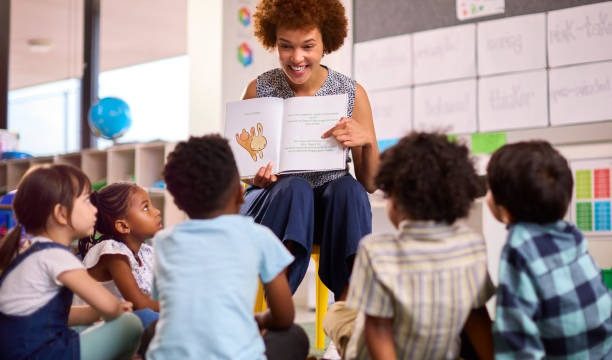
The essence of community in education is rooted in connection. It begins with the relationships formed within the classroom, where teachers and students engage in a dynamic exchange of ideas. A teacher who takes the time to understand their students’ backgrounds and interests creates an environment where learning flourishes. When students feel seen and valued, they are more likely to participate actively, share their thoughts, and embrace the learning process. This connection transforms the classroom into a safe haven, a space where curiosity is encouraged and mistakes are seen as stepping stones rather than setbacks.
As we extend our view beyond the classroom walls, the concept of community expands to include families and caregivers. These individuals play a crucial role in a child’s education, providing the emotional support and encouragement that can make all the difference. When parents and educators collaborate, sharing insights and strategies, they create a symbiotic relationship that enhances the educational experience. Family engagement in school activities, whether through volunteering, attending meetings, or simply discussing schoolwork at home, strengthens the bond between home and school. This partnership allows children to see that learning is a shared journey, reinforcing the idea that they are part of a larger community invested in their success.
The role of the wider community cannot be overlooked either. Local businesses, organizations, and volunteers contribute to a rich tapestry of support that can enhance educational experiences. Field trips to museums, partnerships with local libraries, and mentorship programs provide students with opportunities to explore beyond the confines of their textbooks. These experiences not only enrich the curriculum but also help students understand the relevance of their education in the real world. When students see their community as an extension of their learning environment, they begin to appreciate the interconnectedness of knowledge and life.
A small shift toward balance can also be observed when we consider the role of peers within the educational community. Friendships formed during school years can have a profound impact on a student’s academic journey. Collaborative projects, study groups, and simply sharing the ups and downs of school life can foster a sense of belonging. In this environment, students learn from one another, gaining new perspectives and developing essential social skills. The support of peers can help alleviate the pressures of academic challenges, reminding students that they are not alone in their struggles.
The emotional and social aspects of education are often overlooked, yet they are vital to a child’s development. Emotional intelligence, empathy, and resilience are cultivated within a community that prioritizes these values. Schools that emphasize social-emotional learning create a culture where kindness and respect are at the forefront. When students learn to navigate their feelings and understand those of others, they are better equipped to handle the complexities of life beyond school. This nurturing environment encourages students to be not only better learners but also more compassionate individuals.
As we delve deeper into the heart of community in education, we cannot ignore the impact of diversity. A rich tapestry of cultures, backgrounds, and experiences enhances the learning environment. When students are exposed to different perspectives, they develop a broader understanding of the world. This diversity fosters inclusivity, teaching students the value of acceptance and respect for others. It prepares them to thrive in a global society, where collaboration and understanding are essential.
Creating a sense of community in education is not without its challenges. Schools often face various obstacles, from limited resources to societal issues that impact families. However, it is in these challenges that the strength of the community truly shines. When educators, families, and community members come together to address these issues, they can create innovative solutions that benefit everyone involved. This collective resilience not only enhances the educational experience but also strengthens the bonds within the community.
The journey towards building a strong educational community is ongoing, requiring commitment and effort from all involved. It calls for open communication, shared goals, and a willingness to listen and adapt. As we move forward, it is essential to recognize that every individual has a role to play. Whether you are a teacher, parent, student, or community member, your contributions matter. By fostering a culture of support and collaboration, we can create an environment where every learner can thrive.
In conclusion, the heart of the community in education beats with the rhythm of connection, support, and shared experiences. It is this heart that nurtures the minds of future generations, guiding them toward not only academic success but also personal growth and fulfillment. By embracing the importance of community, we can elevate the educational experience, ensuring that it is not just about learning facts but about building relationships and developing the whole person. In this way, education becomes a journey taken together, a collective effort to inspire and empower every individual along the way.