In a world that seems to be spinning faster than ever, nurturing the minds of our young ones has never been more vital.
Helping young minds explore and grow is not just a task—it’s a beautiful journey filled with opportunities for discovery, creativity, and personal development.
Every child has the potential to blossom into their unique selves, and as caregivers, educators, and community members, we play a pivotal role in guiding them through this process.
Creating a nurturing environment is the first step in this journey. It’s about more than just providing a safe space; it’s about fostering an atmosphere where curiosity thrives. Children are naturally inquisitive, and when they feel supported, they are more likely to ask questions, seek answers, and explore the world around them. Encouraging this sense of wonder can be as simple as engaging them in conversations about their interests or taking them on adventures to local parks, museums, or nature trails. Each experience becomes a building block in their understanding of the world.
A gentle approach to learning is essential, especially in today’s fast-paced society. Instead of pushing children to conform to rigid educational standards, it’s important to recognize and celebrate their individual learning styles. Some children may thrive in structured environments, while others may flourish when given the freedom to explore at their own pace. By offering a variety of learning opportunities—such as hands-on activities, creative arts, or outdoor exploration—we can help children discover their passions and interests.
Encouraging creativity is another crucial aspect of helping young minds grow. Creativity is not just about art; it encompasses problem-solving, critical thinking, and innovation. Providing children with tools and opportunities to express themselves creatively can lead to profound personal growth. Whether it’s through painting, building, storytelling, or even cooking, creativity opens doors to new ways of thinking and understanding. It fosters resilience, as children learn that making mistakes is part of the process and that each attempt brings them closer to their goals.
A small shift toward balance can greatly enhance a child’s development. In our modern age, where screens often dominate attention, it’s essential to encourage a balanced lifestyle. Setting aside time for outdoor play, reading, or simply being present with one another can make a significant impact on a child’s well-being. Nature, in particular, has a remarkable way of grounding us, providing a sense of peace and connection that can be especially beneficial for young minds.
As children grow, they begin to form their identities and understand their place in the world. Supporting this exploration is crucial. Encouraging them to try new activities, join clubs, or engage in community service can help them discover their strengths and interests. These experiences not only build confidence but also foster a sense of belonging and purpose. It’s important to remind them that it’s okay to step outside their comfort zones, as growth often happens in those moments of uncertainty.
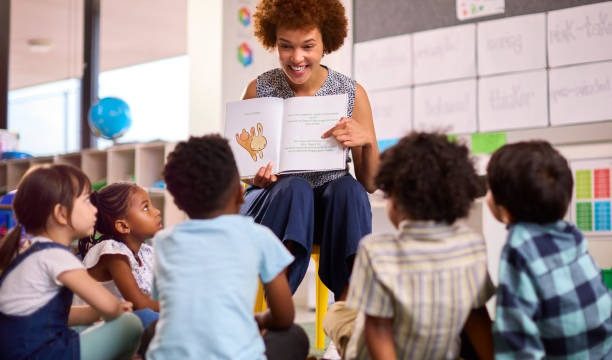
Emotional intelligence plays a significant role in a child’s development. Teaching young minds to recognize and express their feelings can lead to healthier relationships and a greater understanding of themselves. Simple practices, such as discussing emotions openly or using storytelling to explore characters’ feelings, can help children develop empathy and self-awareness. Creating an environment where emotions are validated and understood allows children to navigate their feelings with confidence.
In addition to emotional growth, encouraging children to engage with peers can enhance their social skills. Group activities, whether they’re sports, team projects, or cooperative games, teach important lessons about teamwork and communication. Learning to collaborate with others prepares children for the complexities of adult relationships. It’s essential to create opportunities for children to interact with diverse groups, as this exposure can broaden their perspectives and instill a sense of respect for differences.
As we guide young minds on their journey, it’s vital to model the behaviors we wish to instill. Children often learn by example, so demonstrating kindness, curiosity, and resilience can have a lasting impact. Sharing our own experiences—both successes and failures—can create an open dialogue that encourages children to embrace their own journeys. When they see us navigating challenges with grace, they are more likely to adopt a similar mindset.
Celebrating achievements, both big and small, is another way to bolster a child’s confidence. Acknowledging their efforts reinforces the idea that growth is a continuous process, and it encourages them to keep striving for their goals. Whether it’s completing a project, learning a new skill, or simply trying something new, every step forward deserves recognition. This practice not only builds self-esteem but also cultivates a growth mindset, where children learn to appreciate the journey rather than just the destination.
As we reflect on the importance of helping young minds explore and grow, it becomes clear that this journey is a collective effort. Families, educators, and communities all have a role to play in nurturing the next generation. By fostering environments that prioritize curiosity, creativity, and emotional intelligence, we can help children develop into well-rounded individuals who are equipped to face the challenges of the world with confidence and compassion.
In conclusion, the journey of exploration and growth is one of the most rewarding experiences we can share with young minds. By creating supportive environments, encouraging creativity, promoting emotional intelligence, and modeling positive behaviors, we can help children thrive in their unique paths. As they navigate their own journeys, we must remember that every step they take is a valuable part of their development—a beautiful dance of exploration that leads to a lifetime of learning and growth.