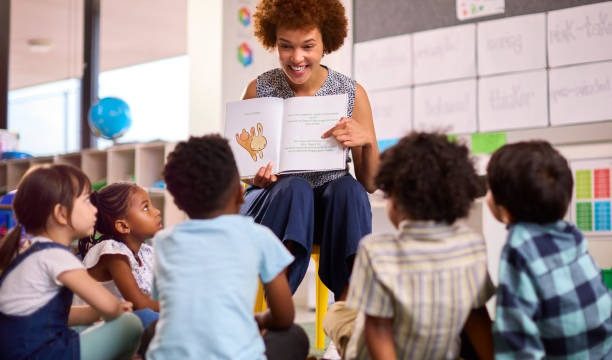
In a world that is constantly evolving, the landscape of education must also adapt to meet the diverse needs of every child.
It is essential to create an environment that not only welcomes children but also nurtures their unique abilities and perspectives.
Education should be a sanctuary where every child feels valued, understood, and empowered to reach their full potential.
The essence of an inclusive educational system lies in its ability to embrace diversity. Each child comes with their own story, background, and set of experiences. This rich tapestry of differences is what makes our communities vibrant and strong. A welcoming educational environment recognizes these differences and actively seeks to incorporate them into the learning experience. When we celebrate the unique traits of each child, we foster a sense of belonging that is crucial for their growth and development.
Creating an inclusive atmosphere starts with the educators. Teachers play a pivotal role in shaping the educational experience. They are not just conveyors of knowledge; they are mentors, guides, and advocates for their students. When teachers approach their classrooms with an open heart and mind, they set the stage for a warm, inviting environment. This means understanding the varied learning styles and needs of each child and adapting their teaching methods accordingly.
A small shift toward balance can make a significant difference in how children engage with their education. It’s about finding harmony between academic rigor and emotional support. For instance, incorporating social-emotional learning into the curriculum can help children develop resilience and empathy, skills that are essential for navigating both academic and personal challenges. When children feel emotionally secure, they are more likely to take risks in their learning, ask questions, and express their thoughts freely.
In addition to emotional support, physical space also plays a vital role in creating an inviting educational environment. Classrooms should be designed to be flexible and adaptable, allowing for various learning activities. Comfortable seating arrangements, accessible resources, and areas for collaborative work can enhance the learning experience. By creating spaces that reflect the diversity of the student body, schools can foster a sense of ownership and pride among students.
Community involvement is another essential aspect of education that welcomes every child. Schools should not exist in isolation; they are an integral part of the broader community. By engaging families and local organizations, schools can create partnerships that enrich the educational experience. Workshops, cultural events, and collaborative projects can bridge the gap between home and school, making education a shared journey. When families feel connected to the school, children are more likely to thrive academically and socially.
Furthermore, it’s important to recognize that every child learns differently. Some may require additional support, while others may flourish in a more challenging environment. Differentiated instruction is a teaching approach that allows educators to tailor their methods to meet the diverse needs of their students. This could mean providing various resources, modifying assignments, or offering different pathways for learning. By being attuned to the individual needs of each child, educators can help all students succeed.
Inclusion also extends beyond the classroom. Extracurricular activities play a significant role in a child’s development. Sports, arts, and clubs provide opportunities for children to explore their interests and build friendships outside of the academic setting. Schools that prioritize inclusivity in these areas can help children discover their passions and develop their social skills. When children participate in activities that resonate with them, they are more likely to feel connected to their school community.
As we think about education that welcomes every child, it is essential to cultivate a culture of respect and kindness. Teaching children the value of empathy and understanding can lead to a more harmonious school environment. Simple acts of kindness, whether it’s helping a classmate or standing up against bullying, contribute to a positive atmosphere. Schools can encourage these behaviors through programs that promote social responsibility and community service, helping children understand the impact of their actions.
Education should also be a space where creativity flourishes. Encouraging innovative thinking and problem-solving can empower children to express themselves in unique ways. Schools can inspire creativity by integrating arts into the curriculum, providing opportunities for hands-on learning, and allowing students to explore topics that ignite their curiosity. When children feel free to express their creativity, they are more likely to engage deeply with their learning.
Looking ahead, the future of education should be one that embraces technology while maintaining a personal touch. Digital tools can enhance learning and make education more accessible for all children. Virtual classrooms, online resources, and educational apps can provide additional support and enrichment. However, it’s essential to balance technology with face-to-face interactions. Building relationships and fostering connections among peers and educators remain fundamental to a child’s educational experience.
In conclusion, education that welcomes every child is about more than just academics; it’s about nurturing the whole child. By creating inclusive environments that celebrate diversity, prioritize emotional and physical well-being, and foster community involvement, we can ensure that every child feels valued and empowered. As we continue to evolve and adapt our educational systems, let us remember that at the heart of education lies the simple yet profound truth: every child deserves a chance to shine. Together, we can cultivate a world where every child is welcomed, understood, and inspired to learn.