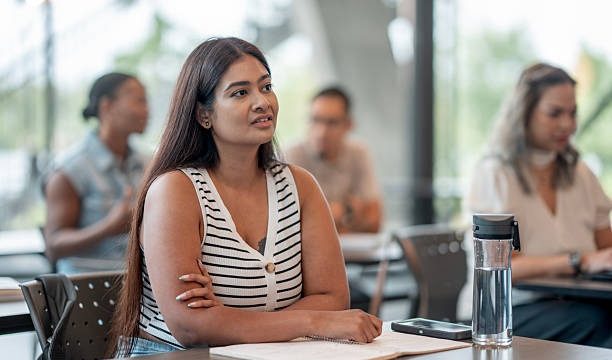
College is often seen as a pivotal time in a young adult’s life, a unique blend of academic pursuit and personal growth.
While many focus on the social aspects, the real magic often lies in the way college encourages independent learning.
This journey is not just about attending lectures and completing assignments; it’s about discovering how to learn on your own terms, fostering a sense of responsibility and self-direction that can last a lifetime.
The transition from high school to college can be a significant shift. In high school, students often find themselves in a structured environment where teachers provide direct guidance and oversight. However, college flips the script. Students are expected to take charge of their own education, leading to a more self-sufficient approach to learning. This shift can feel daunting at first, but it also opens the door to an enriching journey of self-discovery.
One of the first steps toward independent learning in college is the development of time management skills. With a more flexible schedule, students must learn to prioritize their tasks and allocate their time wisely. This newfound freedom can be exhilarating but also overwhelming. Students quickly realize that their success depends on their ability to balance academic responsibilities with social activities and personal interests. As they navigate this delicate dance, they begin to develop a sense of accountability and self-discipline that extends beyond the classroom.
The college environment also encourages students to explore their interests deeply. With a plethora of courses and extracurricular activities available, students can tailor their educational experience to align with their passions. This exploration fosters curiosity and motivates students to seek knowledge independently. Whether it’s diving into a complex subject through additional reading or engaging in discussions with peers, college invites students to take an active role in their learning journey.
In addition to coursework, college often offers opportunities for experiential learning. Internships, research projects, and community service allow students to apply what they’ve learned in real-world settings. These experiences not only deepen understanding but also encourage students to seek out information and resources independently. The hands-on nature of these opportunities cultivates problem-solving skills and encourages students to trust their instincts and judgment, essential components of independent learning.
A sense of community also plays a crucial role in fostering independent learning. College campuses are melting pots of diverse backgrounds and ideas. Engaging with classmates from different cultures, majors, and perspectives can spark new interests and motivate students to delve deeper into subjects they might not have considered. Collaborative learning environments encourage students to share ideas, challenge each other’s viewpoints, and support one another in the pursuit of knowledge. This sense of camaraderie enhances the learning experience, making it more vibrant and interactive.
In many ways, college serves as a safe space for students to experiment with their identities and explore their intellectual curiosities. As they engage with various subjects, students often find themselves drawn to unexpected fields or ideas. This exploration is a vital aspect of independent learning, as it encourages individuals to step outside their comfort zones and embrace new challenges. It’s in these moments of uncertainty that students often learn the most about themselves and their capabilities.
The role of professors and mentors in this journey cannot be understated. While students are encouraged to take the initiative in their learning, having supportive educators can make a significant difference. Professors who foster open dialogue and encourage questions create an environment where students feel empowered to seek knowledge independently. Mentorship can also guide students in navigating their academic paths, providing insights that help them make informed decisions about their future.
As students progress through their college years, they often encounter obstacles that require resilience and adaptability. Whether it’s a challenging course, a demanding project, or personal challenges, these experiences teach valuable lessons about perseverance. Learning to overcome setbacks is a crucial aspect of independent learning. It cultivates a growth mindset, where students begin to see challenges as opportunities for growth rather than insurmountable barriers.
The culmination of these experiences often leads to a profound sense of empowerment. Graduates emerge not just with a degree but with the confidence that they can navigate the complexities of life and learning on their own. This sense of independence is one of the most significant gifts of a college education. It equips individuals with the tools to continue their pursuit of knowledge long after they leave campus, fostering a lifelong love of learning.
In a world that is constantly evolving, the ability to learn independently is more important than ever. College provides a foundation that encourages curiosity, critical thinking, and self-reliance. The lessons learned during these formative years extend far beyond the classroom, shaping individuals who are prepared to adapt and thrive in an ever-changing landscape.
As students reflect on their college experiences, they often realize that the journey of independent learning is not a solitary one. It is enriched by the connections made, the challenges faced, and the discoveries uncovered along the way. This journey is a beautiful tapestry woven from the threads of personal growth, academic exploration, and community engagement.
In conclusion, college is more than just a stepping stone to a career; it is a transformative experience that encourages independent learning. By fostering accountability, curiosity, and resilience, it equips students with the skills they need to navigate both their personal and professional lives. As they embrace the journey ahead, they carry with them the invaluable lessons learned during these pivotal years, ready to face whatever challenges come their way.