Life in Ancient Egypt
Imagine stepping back in time to a world filled with vibrant colors, intricate hieroglyphs, and the warm embrace of the sun over the Nile River.
Life in Ancient Egypt was not just about monumental pyramids and mighty pharaohs; it was a rich tapestry of everyday experiences, cultural practices, and deep spiritual beliefs that shaped a civilization lasting thousands of years.
The Nile River was the lifeblood of Ancient Egypt, a source of sustenance and a central part of daily life. Each year, the river would flood, depositing nutrient-rich silt along its banks, creating fertile land for agriculture. This natural rhythm dictated the agricultural calendar, allowing the Egyptians to cultivate crops such as wheat, barley, and flax. The bounty of the Nile not only fed the population but also fostered a sense of community, as families gathered to celebrate harvests and share in the fruits of their labor.
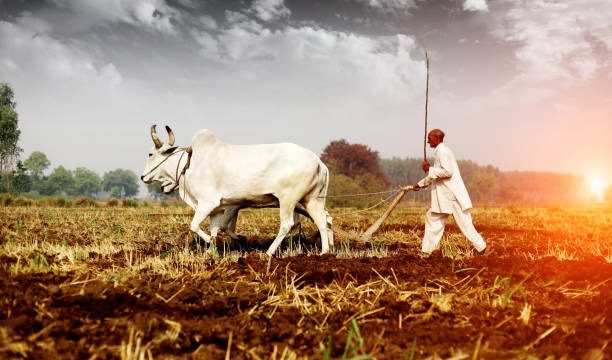
As the sun rose over the horizon, signaling the start of a new day, the people of Ancient Egypt would begin their daily routines. Farmers would head to the fields, while artisans and merchants prepared for their trades. Life was structured around the cycles of nature and the rhythms of the Nile, creating a harmonious balance between work and rest. In this world, time was not merely measured by clocks but by the movements of the sun and the phases of the moon, fostering a deep connection to the natural world.
Family was at the heart of Ancient Egyptian society. Marriages were often arranged, but love and companionship were valued. Families lived in simple homes made of mudbrick, with flat roofs that served as additional living space. The interiors were modest, typically furnished with woven mats and clay pots. Social gatherings were common, with meals shared among family members, reinforcing bonds and creating a sense of belonging.
Children were cherished, and education was valued, particularly for boys. They would learn to read and write hieroglyphs, but girls were often taught domestic skills at home. Despite the differences in gender roles, both boys and girls enjoyed playful moments, often seen playing games that mirrored adult life, such as crafting small toys or engaging in sports.
A small shift toward balance can be seen in the way Ancient Egyptians approached health and wellness. While they had a rich understanding of the human body, their beliefs were intertwined with spirituality. Illness was often viewed as a sign of imbalance or displeasure from the gods, leading to a unique blend of medicine and magic. Priests, who acted as healers, would use herbal remedies alongside prayers and rituals to restore health. This holistic approach to well-being emphasized the importance of both the body and spirit, reflecting a deeply rooted belief in the interconnectedness of life.
Religion permeated every aspect of life in Ancient Egypt. The Egyptians were polytheistic, worshipping a pantheon of gods and goddesses, each representing different aspects of life and nature. Temples were not just places of worship; they were community centers, where people gathered to celebrate festivals, offer sacrifices, and seek guidance from the divine. The annual flooding of the Nile, for instance, was attributed to the tears of the goddess Isis, symbolizing rebirth and renewal. Such beliefs fostered a sense of gratitude and reverence for the natural world, encouraging people to live in harmony with their environment.
Art and culture flourished in this vibrant society, reflecting the values and beliefs of the people. From intricate wall paintings depicting daily life to elaborate sculptures of deities, art served as both a form of expression and a means of communication. The Egyptians believed that art had the power to transcend time, allowing them to connect with their ancestors and the divine. This reverence for creativity extended to music and dance, which played a significant role in religious ceremonies and celebrations, bringing communities together in joyous expression.
As we delve deeper into the lives of Ancient Egyptians, we find that their connections extended beyond their immediate surroundings. Trade was a vital aspect of their economy, with goods flowing in from neighboring regions. The exchange of materials like gold, ivory, and spices not only enriched their lives but also fostered relationships with other cultures. This interconnectedness contributed to a sense of unity, as people shared ideas, traditions, and innovations.
A moment of reflection can be found in the way Ancient Egyptians regarded death and the afterlife. They believed that life continued after death, leading to elaborate burial practices designed to honor the deceased and ensure a smooth transition to the next world. Tombs were filled with food, treasures, and personal belongings, reflecting the belief that these items would accompany the soul on its journey. The construction of monumental structures, such as the pyramids, served as a testament to their dedication to the afterlife, showcasing a profound respect for the cycle of life and death.
In the grand tapestry of history, life in Ancient Egypt offers us a glimpse into a society that thrived on balance, community, and spirituality. Their understanding of the natural world, coupled with their rich cultural practices, created a way of life that was vibrant and meaningful. As we reflect on their legacy, we are reminded of the importance of connection—whether to our families, our environment, or the spiritual realm.
Though centuries have passed, the essence of Ancient Egypt continues to inspire us today. It invites us to embrace the beauty of our surroundings, to foster relationships that nourish our souls, and to seek balance in our own lives. In this ever-changing world, we can look to the past for wisdom, reminding ourselves that the simple joys of life, much like the flow of the Nile, are what truly sustain us.