In today’s world, where technology evolves at lightning speed, the importance of a solid foundation in science, technology, engineering, and mathematics (STEM) cannot be overstated.
For many young learners, engaging with these subjects can sometimes feel daunting.
However, there is a wonderful gateway to these disciplines that brings a sense of joy and camaraderie: the robotics club.
Joining a robotics club is not just about building machines; it’s about fostering creativity, teamwork, and problem-solving skills.
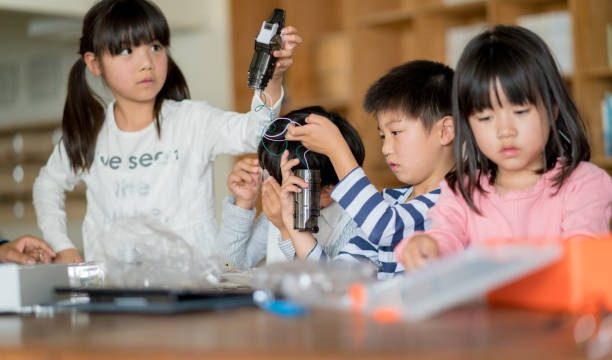
Imagine a group of enthusiastic students gathered in a workshop, surrounded by tools, wires, and an array of colorful components.
In this vibrant atmosphere, ideas come to life, and friendships blossom.
The joy of STEM learning in a robotics club is multi-faceted and deeply enriching, both intellectually and socially.
A nurturing environment for curiosity
One of the most delightful aspects of participating in a robotics club is the opportunity to explore and experiment. This environment encourages curiosity and a sense of wonder. Students are invited to ask questions, explore possibilities, and tinker with designs. Each project becomes an adventure. Whether it’s building a simple robot that can navigate a maze or programming a more complex machine to perform specific tasks, every experience is a chance to learn something new.
As members delve into the mechanics of robotics, they also discover the principles of physics and engineering in a hands-on way. The joy of seeing a robot they designed come to life is unmatched. This tangible connection to the concepts they’ve been studying in school makes learning feel more relevant and exciting.
The beauty of collaboration
In a robotics club, collaboration is at the heart of every project. Students learn to work together, combining their unique skills and perspectives. Each member brings something different to the table, whether it’s an artistic flair for design, a knack for coding, or a strong understanding of mechanics. This diversity enriches the learning experience and fosters a sense of community.
Working on a team also teaches valuable life skills. Students learn to communicate effectively, share ideas, and navigate challenges together. They celebrate successes as a group and support one another in setbacks. This supportive atmosphere nurtures resilience and encourages students to approach problems with a growth mindset.
A small shift toward balance
While the excitement of building and programming robots is a significant draw, the robotics club also emphasizes the importance of balance. Members often find themselves immersed in projects, sometimes losing track of time. However, the club fosters an understanding of the need for breaks and self-care. Engaging in friendly discussions, taking time to reflect on their progress, and even stepping outside for fresh air can rejuvenate their minds and spark new ideas.
This balance between hard work and relaxation is essential. It teaches students that while dedication is important, taking care of oneself is equally vital for sustained creativity and productivity.
Building confidence and skills for the future
Participating in a robotics club can significantly boost a student’s confidence. As they learn new skills and gain a deeper understanding of technology, they begin to see themselves as capable individuals. This newfound confidence often spills over into other areas of their lives, encouraging them to take on new challenges and pursue their passions with enthusiasm.
Moreover, the skills acquired in a robotics club are increasingly relevant in today’s job market. Proficiency in coding, engineering principles, and teamwork are all highly valued. Students emerge from their experiences with a solid foundation that prepares them for future educational and career opportunities.
A sense of achievement
There’s something incredibly satisfying about completing a project. Whether it’s the thrill of a successful robot launch or the joy of showcasing a creation at a competition, these moments of achievement are celebrated within the club. They serve as milestones that mark the journey of learning and growth.
These experiences also help students develop a sense of ownership over their work. When they see the results of their efforts, it reinforces the idea that persistence and dedication yield rewards. This sense of achievement is not only fulfilling but also inspires a lifelong love of learning.
The friendships that last
Beyond the technical skills and knowledge gained, perhaps one of the most cherished aspects of being part of a robotics club is the friendships formed. The shared experiences of brainstorming, building, and problem-solving create bonds that often last well beyond the club’s meetings.
These friendships provide a support network that extends into other areas of life. Whether it’s collaborating on school projects, cheering each other on in competitions, or simply hanging out after school, the connections made in a robotics club can be deeply meaningful.
Encouraging a lifelong passion
Ultimately, the joy of STEM learning in a robotics club goes beyond just building robots; it’s about igniting a passion for discovery and innovation. The skills, friendships, and memories created in this environment can inspire students to pursue careers in STEM fields or simply cultivate a lifelong interest in technology and engineering.
As they engage with robotics, students learn that failure is often a stepping stone to success. They discover the value of perseverance and the importance of creativity in problem-solving. These lessons transcend the confines of the club and weave into their everyday lives, shaping them into curious, resilient individuals ready to face the world.
In a rapidly changing world, the robotics club stands as a beacon of creativity, collaboration, and joy in STEM learning. It is a place where young minds can explore their potential, make lasting friendships, and develop a love for learning that will carry them through life. Through the lens of robotics, students not only build machines but also construct their futures, one project at a time.