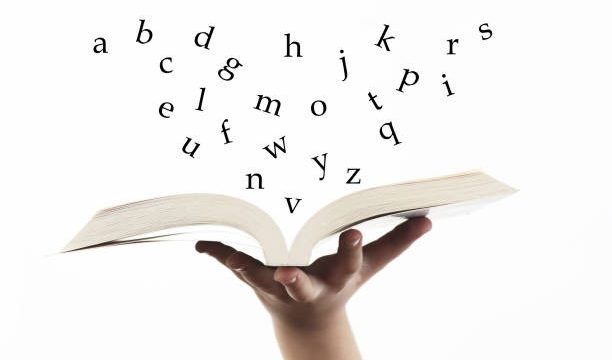
Imagination is a wondrous faculty of the human mind, often seen as the realm of dreams, creativity, and artistic expression.
Yet, its importance extends far beyond the realm of art and literature; it plays a crucial role in academic growth and intellectual development.
When we think of education, we frequently focus on structured learning, standardized tests, and rigorous curricula.
However, fostering imagination in educational settings can lead to deeper understanding, enhanced problem-solving skills, and ultimately, a more fulfilling academic journey.
The power of imagination lies in its ability to transport us beyond our current reality. It encourages us to envision possibilities that may not yet exist and to approach challenges with a sense of wonder and curiosity. This imaginative thinking can be particularly beneficial in academic settings, where the ability to connect ideas and think critically is essential. Students who engage their imaginations are more likely to explore diverse perspectives and develop a love for learning that transcends the confines of textbooks.
A gentle exploration of creativity in learning can open doors to new insights. When students are encouraged to visualize concepts rather than simply memorize facts, they are more likely to grasp complex ideas. For instance, in subjects like science, rather than just learning about the laws of physics, students might be invited to imagine how these laws apply to real-world scenarios. This imaginative leap allows them to see the relevance of their studies, making learning more engaging and meaningful.
Imagination also fosters a sense of ownership over one’s learning. When students are given the freedom to explore their interests and passions, they are more likely to invest time and energy into their studies. This intrinsic motivation can lead to higher levels of academic achievement. Instead of feeling like passive recipients of information, students become active participants in their educational journey. They begin to see themselves as creators of knowledge rather than just consumers, which can lead to a deeper understanding of the material.
Furthermore, imagination can enhance problem-solving skills. In an academic environment, students often face challenges that require innovative thinking. When they are encouraged to think outside the box and come up with creative solutions, they develop resilience and adaptability. These skills are invaluable not only in school but also in life beyond the classroom. The ability to approach problems with a fresh perspective can lead to breakthroughs that might otherwise go unnoticed.
Creating a space for imaginative thinking in education doesn’t require a complete overhaul of existing curricula. Small shifts can have a significant impact. For example, incorporating project-based learning allows students to engage with subjects on a deeper level. By working on projects that interest them, they can apply their knowledge creatively, bringing their unique perspectives to the forefront. This not only enhances their understanding of the subject matter but also nurtures their confidence and self-esteem.
In addition to project-based learning, storytelling can be a powerful tool for fostering imagination in the classroom. When students are encouraged to tell their stories or create narratives around the concepts they are learning, they can connect emotionally with the material. This emotional connection can lead to better retention and a more profound appreciation for the subject. Whether it’s through creative writing, presentations, or even art projects, storytelling allows students to express their understanding in a way that feels personal and significant.
Moreover, collaboration can further enhance imaginative thinking. Working in groups encourages students to share ideas and challenge one another’s perspectives. This exchange of thoughts can spark new ideas and foster an environment where creativity thrives. When students feel safe to express themselves and explore different viewpoints, they are more likely to take risks and think creatively. This collaborative spirit not only enhances their academic growth but also prepares them for future teamwork in various aspects of life.
A small shift toward balance is essential in nurturing imagination alongside structured learning. While it is important to cover required material, allowing time for exploration and creativity can lead to a more holistic educational experience. Educators and parents can work together to create an environment that values both imagination and academic rigor. This balance can help students develop a well-rounded skill set that prepares them for the complexities of the world.
Encouraging imagination in education also means recognizing the individual strengths and interests of each student. Every learner is unique, and tapping into their specific passions can lead to a more personalized educational experience. When students feel that their interests are valued, they are more likely to engage deeply with their studies. This personalized approach can transform the learning experience, making it more enjoyable and effective.
As we reflect on the role of imagination in academic growth, it’s essential to remember that fostering creativity is not just about enhancing grades or test scores. It’s about nurturing a lifelong love for learning. When students are encouraged to think creatively and explore their interests, they develop a curiosity that extends beyond the classroom. This curiosity can lead to a richer understanding of the world around them and inspire them to pursue knowledge throughout their lives.
In conclusion, imagination is a vital component of academic growth. It enriches the learning experience, enhances problem-solving skills, and fosters a sense of ownership over one’s education. By creating environments that encourage imaginative thinking, we can help students develop a profound love for learning that will serve them well in all aspects of their lives. Embracing imagination in education is not just an option; it is an essential pathway to nurturing well-rounded, curious, and capable individuals who are ready to face the challenges of the future.