In our increasingly interconnected world, the ability to collaborate effectively is more vital than ever.
Building collaborative problem-solving skills not only enhances our personal relationships but also enriches our professional lives.
As we navigate through various challenges, learning to work together with others can lead to innovative solutions and a deeper sense of community.
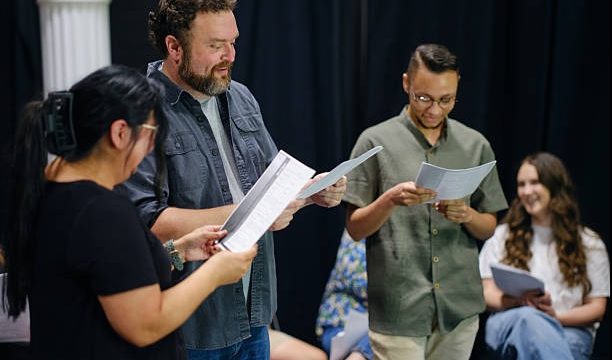
Collaboration is not just about working alongside others; it’s about harmonizing our strengths and perspectives to create something greater than the sum of its parts. Whether in a workplace setting, a community project, or even at home, the ability to solve problems collaboratively can transform the way we approach challenges.
A gentle approach to understanding collaborative problem solving begins with recognizing the value of diverse perspectives. When faced with a challenge, it’s easy to rely on our own experiences and ideas. However, inviting others into the conversation can open doors to new insights. Each person brings unique skills, backgrounds, and viewpoints that can illuminate aspects of a problem we might overlook. By fostering an inclusive environment where everyone feels comfortable sharing their thoughts, we can cultivate a rich tapestry of ideas.
Listening is a foundational skill in any collaborative effort. It’s not just about hearing words; it’s about truly understanding the emotions and intentions behind them. When we practice active listening, we validate others’ contributions and create a space where everyone feels respected. This builds trust, which is essential for effective collaboration. Trust allows team members to express their ideas freely, knowing they will be met with openness and consideration.
As we embrace collaboration, it’s also important to cultivate empathy. Understanding where others are coming from can significantly enhance our problem-solving abilities. Empathy encourages us to step into someone else’s shoes, allowing us to grasp their experiences and feelings. This deeper understanding can lead to more thoughtful solutions that consider the needs of all parties involved. When we prioritize empathy, we not only improve our collaborative skills but also strengthen our relationships.
Navigating conflict is another essential component of collaborative problem solving. Disagreements are natural in any group dynamic, and how we address these conflicts can either strengthen or weaken our collaborative efforts. Approaching disagreements with a mindset of curiosity rather than defensiveness can help transform potential conflicts into opportunities for growth. By focusing on the issue at hand rather than personal attacks, we can encourage constructive dialogue that leads to resolution.
Creating a shared vision is a gentle yet powerful way to guide collaborative efforts. When all participants have a clear understanding of the overarching goal, they are more likely to stay aligned and motivated. This shared vision acts as a compass, helping the group navigate through challenges and keeping everyone focused on the desired outcome. It’s important to revisit this vision regularly, ensuring that all voices are heard and that the collective aspirations remain in view.
Flexibility is another key element in building collaborative problem-solving skills. The path to finding solutions is rarely linear, and being open to adapting our approaches can lead to more innovative outcomes. Embracing change and being willing to pivot when necessary fosters a dynamic environment where creativity can flourish. When team members feel free to explore different avenues, they are more likely to discover unexpected solutions.
As we develop these collaborative skills, it is essential to celebrate small victories along the way. Acknowledging progress, no matter how minor, helps maintain motivation and reinforces the value of teamwork. Celebrating successes can be as simple as expressing gratitude to a teammate or reflecting on the positive impact of a collaborative effort. These moments of recognition strengthen bonds and encourage continued collaboration.
Incorporating collaborative problem-solving skills into our daily lives can also be a rewarding practice. Whether it’s brainstorming solutions for a family issue or tackling a community project, applying these principles can lead to more harmonious interactions. The skills we hone in one area will naturally transfer to others, creating a ripple effect that enhances our overall relationships.
It’s important to remember that building these skills is a journey, not a destination. Each interaction provides an opportunity to learn and grow. As we practice collaboration, we may encounter setbacks or challenges, but these experiences are invaluable teachers. Embracing the learning curve with patience and compassion for ourselves and others can lead to profound personal development.
In a world that often feels fragmented, the ability to collaborate effectively is a gift. It fosters connection, understanding, and a sense of belonging. By nurturing our collaborative problem-solving skills, we not only enhance our own lives but also contribute to the well-being of our communities. As we embark on this journey, let us approach each interaction with an open heart and a willingness to learn from one another.
Ultimately, building collaborative problem-solving skills is about creating a more compassionate and connected world. It’s about recognizing that we are all in this together, navigating life’s challenges side by side. With each small step we take towards collaboration, we are not just solving problems; we are building a brighter, more inclusive future for ourselves and those around us. Embracing this journey can lead us to discover the beauty of working together, transforming obstacles into opportunities for growth.