In today’s fast-paced world, the way we learn often feels like one-size-fits-all.
Yet, as individuals, we are anything but uniform.
Each of us carries a unique blend of experiences, interests, and learning styles.
When education is tailored to reflect these individual needs, it transforms the experience from a mere obligation into a journey of self-discovery and fulfillment.
The beauty of personalized learning lies in its ability to recognize that no two learners are alike. Some may thrive in a structured environment, while others flourish in a more flexible setting. Acknowledging these differences is the first step toward creating an enriching learning experience that resonates on a personal level.
A gentle approach to learning that reflects individual needs invites us to explore our passions and strengths. Imagine a classroom or learning environment where the curriculum adapts to the interests of its participants. Instead of following a rigid syllabus, learners engage with materials and subjects that genuinely spark their curiosity. This shift not only enhances engagement but also fosters a deeper understanding of the content. When learners feel connected to what they are studying, the information becomes more meaningful, leading to lasting retention and a genuine desire for knowledge.
A small shift toward balance can also be found in the way we assess learning. Traditional testing methods often fail to capture a learner’s full potential. Personalized assessments, on the other hand, can take various forms, from project-based evaluations to reflective essays. These methods allow learners to express their understanding in a way that aligns with their strengths. Such flexibility not only alleviates anxiety but also encourages creativity, allowing individuals to showcase their unique perspectives and insights.
Moreover, learning that reflects individual needs extends beyond academic subjects. Social and emotional learning is equally crucial in nurturing well-rounded individuals. When educational environments prioritize emotional intelligence alongside traditional learning, they create a space where students can develop resilience, empathy, and self-awareness. These qualities are essential for navigating the complexities of life, enriching personal relationships, and fostering a sense of community.
Incorporating mindfulness and well-being into the learning process is another vital aspect of this individualized approach. Mindfulness practices, such as meditation or reflective journaling, can help learners connect with their thoughts and emotions. This connection not only enhances focus but also promotes a deeper understanding of personal motivations and challenges. By integrating well-being into education, we create a holistic framework that supports mental health and encourages learners to thrive both academically and personally.
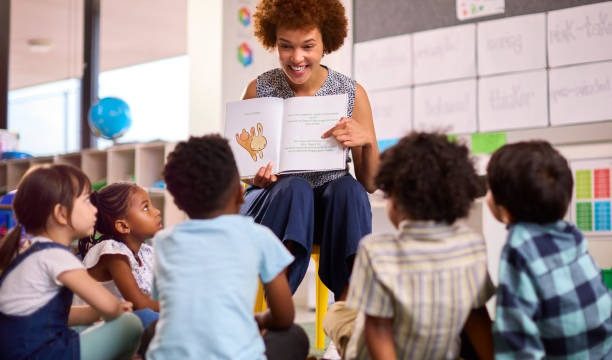
The role of educators in this personalized learning landscape cannot be overstated. Teachers who embrace the individuality of their students become facilitators of growth rather than mere transmitters of information. They cultivate an environment of trust and respect, where learners feel safe to express their thoughts and ideas. This supportive atmosphere encourages collaboration and peer learning, allowing students to learn from one another’s unique experiences.
Collaboration can extend beyond the classroom, too. Families and communities play an essential role in the learning process. When parents and caregivers understand their children’s learning styles and needs, they can provide support that reinforces what is being taught in educational settings. Community resources, such as local workshops or mentorship programs, can also offer additional avenues for exploration and growth. This interconnected approach creates a rich tapestry of learning experiences that are deeply rooted in individual needs and aspirations.
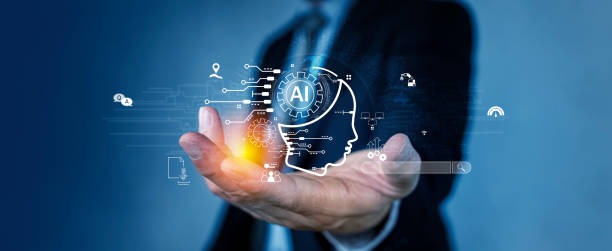
As we navigate the evolving landscape of education, it’s important to embrace technology as a valuable tool in personalizing learning. Online resources and platforms can provide tailored content that meets learners where they are. Adaptive learning technologies can analyze a student’s progress and adjust the material accordingly, ensuring that each individual receives the right level of challenge and support. However, it’s crucial to remember that technology should complement, not replace, the human elements of learning. The connection between educators and learners remains irreplaceable, providing the empathy and understanding that technology alone cannot offer.
Creating a learning environment that reflects individual needs requires a collective effort. It calls for educators, families, and communities to work together in fostering an atmosphere of inclusion and respect. By valuing diversity in learning styles, we can cultivate a culture that celebrates uniqueness and encourages every learner to shine.
In the end, learning is a deeply personal journey. When we honor individual needs, we empower each learner to take ownership of their education. This empowerment not only enhances academic achievement but also nurtures a lifelong love of learning. As we continue to explore innovative approaches to education, let us commit to creating spaces where every individual feels valued, understood, and inspired to reach their fullest potential.
Ultimately, learning that reflects individual needs is not just a trend; it is a movement toward a more compassionate and effective educational landscape. By embracing our differences and celebrating our unique paths, we can cultivate a future where everyone has the opportunity to thrive. Let us take this journey together—one that honors the essence of who we are and the limitless possibilities that lie ahead.