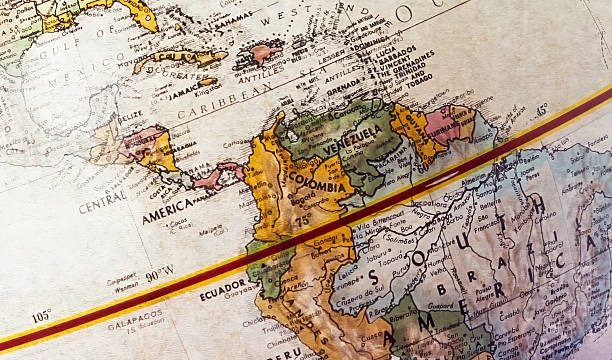
In an increasingly interconnected world, the concept of global education is taking on a new significance, shaping not just the way we learn but also how we perceive our place within the world.
Global education transcends traditional boundaries, offering a holistic approach that prepares learners to engage with diverse cultures, ideas, and challenges.
As we contemplate the future, it’s essential to explore what global education means for individuals and society as a whole.
A new perspective on learning
Global education invites us to consider learning as a shared experience that extends beyond the classroom. It encourages us to embrace curiosity about the world and fosters a sense of empathy and understanding for people from different backgrounds. This perspective is vital in a time when global issues such as climate change, social justice, and economic disparity require collaborative efforts across borders.
By integrating global education into curricula, we equip learners with the skills to navigate these complexities. The focus shifts from rote memorization to critical thinking, problem-solving, and collaboration. Students become active participants in their own learning journeys, exploring topics that resonate with their lives and the world around them.
A small shift toward balance
One of the most beautiful aspects of global education is its emphasis on balance—between local and global perspectives, individual and collective experiences. This balance nurtures a sense of belonging while simultaneously encouraging learners to recognize their role in a broader context.
As students engage with global issues, they also learn to appreciate their local communities. The stories of their neighbors, the traditions of their culture, and the history of their hometowns become part of a larger narrative. This interconnectedness fosters pride in one’s identity while cultivating an awareness of the shared humanity that binds us all.
Cultivating global citizenship
Global education nurtures the idea of global citizenship, instilling in learners a sense of responsibility toward the world and its inhabitants. As we look toward the future, this mindset becomes increasingly important. The challenges we face—whether they are environmental, economic, or social—require innovative solutions that can only be achieved through collaboration and understanding.
Educators play a crucial role in this process, guiding students to think critically about their impact on the world. They encourage discussions around ethical decision-making, sustainability, and social responsibility. By fostering these values, we prepare future generations to be informed, compassionate leaders who are willing to advocate for change.
The role of technology
Technology has become a vital component of global education, bridging gaps and creating opportunities for connection. Online platforms and digital resources allow learners to engage with diverse perspectives, breaking down geographical barriers. Virtual exchange programs, collaborative projects, and access to global experts enrich the educational experience, enabling students to learn from one another in real-time.
However, with this abundance of resources comes the responsibility to navigate the digital landscape mindfully. Teaching digital literacy and critical evaluation of information is essential, ensuring that students can discern credible sources from misinformation. By integrating these skills into global education, we empower learners to use technology as a tool for positive change.
Creating inclusive environments
For global education to thrive, inclusivity must be at its core. Embracing diversity in all its forms—cultural, linguistic, and experiential—enriches the learning experience. When students see themselves reflected in their education, they are more likely to engage actively and contribute their unique perspectives.
Educators can foster inclusivity by creating safe spaces for dialogue, encouraging students to share their stories and experiences. This openness not only enhances understanding but also builds a sense of community. A diverse classroom becomes a microcosm of the world, where students learn to appreciate differences and find common ground.
Looking ahead
As we envision the future, the implications of global education extend beyond individual learners. Societies that prioritize global education cultivate citizens who are more likely to engage in civic responsibilities, advocate for social justice, and contribute to sustainable development. These individuals become change-makers, driven by a desire to create a better world for all.
Moreover, as the global landscape continues to evolve, the demand for cross-cultural skills and global competencies will only increase. Employers are seeking individuals who can navigate diverse teams and understand complex international issues. By prioritizing global education, we ensure that future generations are equipped to meet these demands with confidence and creativity.
A journey worth taking
Ultimately, global education is a journey—one that requires patience, openness, and a willingness to learn from both successes and failures. It invites us to step outside our comfort zones and explore the richness of human experience. As we embark on this journey, we cultivate a deeper understanding of ourselves and our place in the world.
In this ever-changing global landscape, the importance of global education cannot be overstated. It is not merely an academic pursuit but a lifestyle choice that shapes our values, relationships, and aspirations. As we invest in global education, we are not just preparing for the future; we are actively participating in creating a world that reflects our highest ideals—one of unity, respect, and shared responsibility.
As we embrace this transformative approach to learning, we open ourselves to endless possibilities, fostering a future where every individual is empowered to contribute to a brighter, more inclusive world. The path ahead may be challenging, but the rewards of global education are profound, promising a future rich with understanding, compassion, and collaboration.