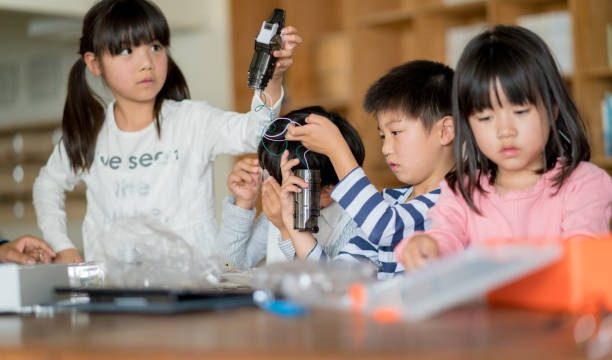
In a world that feels increasingly fast-paced and interconnected, the landscape of education is evolving in ways we could scarcely have imagined a few decades ago.
Artificial intelligence is at the forefront of this transformation, subtly weaving itself into the fabric of learning experiences, and shaping the future of education for students of all ages.
It’s a fascinating journey of discovery that invites us to explore how technology can enhance the way we learn, grow, and connect.
A gentle introduction to AI in education
Artificial intelligence, often perceived as a complex field reserved for tech enthusiasts, is actually becoming more accessible and integrated into our everyday lives. In classrooms, online courses, and even informal learning environments, AI is making a gentle yet profound impact. Imagine a world where personalized learning experiences are the norm, where each student receives tailored instruction that meets their unique needs and learning styles. This is not a distant dream but a reality that is slowly unfolding.
AI-powered tools are designed to analyze individual learning patterns and adapt educational content accordingly. For instance, online platforms can track a learner’s progress, identifying areas of strength and those that may require a bit more attention. This level of personalization ensures that students can engage with material at their own pace, fostering a deeper understanding and greater retention of information.
A small shift toward balance
As we embrace the role of artificial intelligence in education, it’s essential to recognize the balance between technology and the human touch. While AI can provide invaluable insights and support, the heart of learning remains a deeply human experience. Teachers and educators play a pivotal role in this journey, guiding students not only through academic challenges but also through emotional and social growth.
The synergy between AI and educators can create a richer learning environment. Imagine teachers equipped with data-driven insights, allowing them to focus their energy on nurturing creativity and critical thinking skills. Instead of being bogged down by administrative tasks, they can devote more time to fostering relationships with their students and encouraging exploration and curiosity. This harmonious blend of technology and human interaction enables a more holistic approach to education.
Creating inclusive learning environments
Artificial intelligence also holds the promise of making education more inclusive and accessible. In a world where diverse learning needs are often overlooked, AI can help bridge the gap. Adaptive learning technologies can assist students with disabilities by providing customized resources that cater to their specific challenges. For instance, speech recognition software can empower those with hearing impairments, while text-to-speech tools can support students with reading difficulties.
Furthermore, language barriers can be diminished through AI-driven translation tools, making educational content available to non-native speakers. This inclusivity not only enriches the learning experience for individuals but also fosters a sense of community and belonging among students from various backgrounds.
The role of lifelong learning
As we navigate this new educational landscape, the concept of lifelong learning is becoming increasingly important. In a world that is constantly evolving, the ability to adapt and acquire new skills is essential. AI can play a significant role in this journey, providing resources and opportunities for continuous growth.
Online learning platforms, enhanced by AI, offer a wealth of courses and materials that cater to diverse interests and career paths. Whether you’re a seasoned professional looking to upskill or a curious individual eager to explore new subjects, the possibilities are endless. The flexibility of online learning, combined with AI’s ability to personalize the experience, empowers individuals to take charge of their education in ways that suit their unique lifestyles.
Fostering creativity and innovation
While the focus on data and analytics is often associated with artificial intelligence, it’s important to remember that creativity and innovation can flourish in this environment as well. AI can serve as a partner in the creative process, providing inspiration and generating ideas that may not have been considered otherwise. This collaboration between human ingenuity and machine intelligence can lead to exciting breakthroughs in various fields.
For example, in the arts, AI has been used to compose music, generate visual art, and even write poetry. These collaborations challenge our understanding of creativity and encourage us to think outside the box. By embracing AI as a tool for artistic exploration, we can cultivate a generation of innovators who are unafraid to push boundaries and experiment with new ideas.
Navigating the ethical landscape
As we embrace the potential of artificial intelligence in education, it’s crucial to navigate the ethical considerations that come with it. The use of AI raises questions about data privacy, equity, and the potential for bias. Educators, policymakers, and technologists must work together to ensure that the implementation of AI in educational settings is done thoughtfully and responsibly.
Transparency is key in this journey. Open discussions about how data is collected, used, and protected can help build trust among students, parents, and educators. Furthermore, ongoing training and education about the ethical implications of AI can empower individuals to make informed choices as they engage with these technologies.
Looking toward the future
As we stand on the cusp of this exciting new chapter in education, it’s important to remain optimistic and open-minded. The integration of artificial intelligence into learning environments offers a wealth of opportunities to enhance the educational experience. By embracing the potential of AI while maintaining a focus on human connection, creativity, and ethical considerations, we can shape a future where learning is not only more effective but also more enriching.
In this evolving landscape, let us remember that education is not just about acquiring knowledge; it’s about fostering a love for learning, nurturing curiosity, and preparing individuals to thrive in an ever-changing world. With the right balance of technology and humanity, we can create a brighter, more inclusive future for learners everywhere.