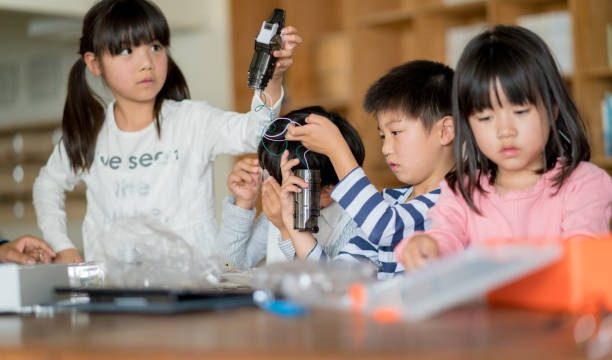
In today’s fast-paced world, the classroom experience is evolving, and technology plays a pivotal role in shaping this transformation.
Online learning tools are becoming essential companions for both teachers and students, enhancing traditional lessons and creating a more interactive environment.
As we explore these resources, it’s important to recognize how they can support classroom lessons while fostering deeper engagement and understanding.
A gentle introduction to online tools
The integration of online tools in education isn’t merely about keeping up with trends; it’s about enriching the learning experience. These resources allow for a more tailored approach to education, where students can learn at their own pace, revisit complex topics, and engage with materials in ways that resonate with them personally. The beauty of online learning tools lies in their ability to complement classroom instruction, offering a blend of traditional and modern methods that cater to diverse learning styles.
Creating a collaborative environment
One of the most significant benefits of online learning tools is their ability to foster collaboration among students. Platforms such as Google Classroom and Microsoft Teams create virtual spaces where students can work together on projects, share ideas, and provide feedback to one another. This collaboration mimics real-world scenarios, preparing students for the teamwork they will encounter in their professional lives.
Moreover, these platforms allow teachers to assign group tasks that encourage students to communicate and brainstorm, even outside of school hours. This flexibility can lead to deeper discussions and a more thorough understanding of the subject matter, as students can engage with their peers in a relaxed, informal setting.
Enhancing engagement through multimedia
The integration of multimedia elements into lessons can transform how students absorb information. Tools like Nearpod and Flipgrid enable educators to create dynamic presentations that include videos, quizzes, and interactive activities. By incorporating various forms of media, teachers can capture their students’ attention and cater to different learning preferences.
For instance, a lesson on ancient civilizations can be brought to life with a short documentary clip, followed by a discussion where students can share their thoughts. This approach not only makes learning more enjoyable but also helps students connect with the material on a deeper level. When students are engaged, they are more likely to retain information and develop a genuine interest in the subject.
Fostering self-directed learning
Online learning tools also promote self-directed learning, a skill that is invaluable in today’s world. Programs like Khan Academy and Coursera offer students the chance to explore subjects beyond the classroom curriculum at their own pace. This autonomy empowers students to take charge of their education, allowing them to delve into topics that excite them or strengthen their understanding of challenging concepts.
Teachers can guide students in using these resources, helping them discover personalized learning paths. By encouraging self-directed exploration, educators nurture a love for learning that extends beyond the classroom walls. Students become active participants in their education, cultivating curiosity and critical thinking skills that will serve them well throughout their lives.
A supportive space for feedback
Feedback is a crucial component of the learning process, and online tools can facilitate this in a meaningful way. Applications like Seesaw allow teachers to provide timely feedback on assignments, helping students understand their strengths and areas for improvement. This immediate response is vital in keeping students motivated and engaged.
Furthermore, these platforms can also encourage peer feedback, creating a supportive community where students feel comfortable sharing their work and receiving constructive criticism. This collaborative atmosphere not only enhances learning but also helps students build confidence in their abilities. When students see that their contributions are valued, they are more likely to take risks and express their ideas.
Bridging the gap for diverse learners
Every classroom is filled with unique individuals, each with their own learning styles and needs. Online learning tools can help bridge the gap for diverse learners, providing resources that cater to various abilities. For example, tools like Read&Write offer support for students with reading difficulties, while resources like Quizlet can help visual learners through flashcards and interactive games.
By incorporating these tools into lessons, teachers can create a more inclusive environment that celebrates diversity. When students feel supported and understood, they are more likely to engage with the material and thrive academically. This approach not only benefits individual learners but also enriches the overall classroom dynamic.
A continuous journey of growth
As educators and students navigate this new landscape of learning, it’s essential to remain open to change and growth. The world of online learning tools is constantly evolving, with new resources emerging that can further enhance classroom experiences. Teachers can benefit from professional development opportunities that explore these tools, ensuring they stay informed and equipped to integrate them effectively into their lessons.
Reflecting on the impact of these tools can also lead to valuable insights. Educators might find that certain resources resonate more with their students, while others may not yield the desired results. This process of trial and error is part of the journey, allowing teachers to refine their approach and create a more effective learning environment.
Embracing the future of education
Ultimately, the integration of online learning tools into classroom lessons represents a shift toward a more holistic approach to education. By combining traditional teaching methods with innovative technology, educators can create a rich tapestry of learning experiences that cater to the needs of all students. This evolution not only prepares students for the challenges of the future but also encourages a lifelong love for learning.
As we embrace this new era of education, let us remember the importance of balance. Technology should enhance, not overshadow, the fundamental human connections that are at the heart of teaching and learning. With thoughtful integration of online tools, we can create a nurturing environment where students flourish, discovering their passions and unlocking their full potential.