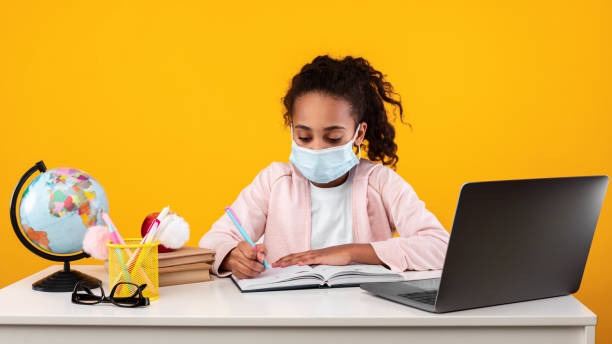
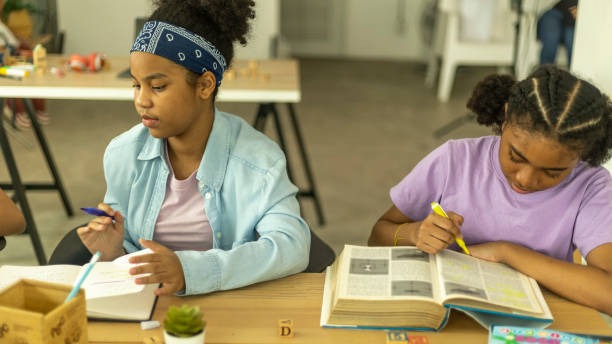
Creating a peaceful learning environment is essential for fostering growth, creativity, and respect among students.
Whether in a traditional classroom or a modern learning space, the expectations set by educators play a crucial role in shaping the overall atmosphere.
When students understand what is expected of them, they can engage more fully and learn in a harmonious setting.
Here, we explore some classroom expectations that can promote a serene and productive learning experience.
A gentle introduction to respect
One of the cornerstones of a peaceful learning environment is mutual respect. When respect is woven into the fabric of classroom interactions, students feel valued and safe. This means encouraging students to listen to one another, valuing each person’s voice, and acknowledging diverse perspectives.
Teachers can model respectful behavior by actively listening to students, responding thoughtfully, and addressing conflicts with a calm demeanor. By setting this tone, educators create a space where students can express their thoughts without fear of judgment. This establishes a foundation of trust, allowing for deeper connections and enhanced collaboration.
The importance of kindness
Kindness is another essential expectation that contributes to a peaceful classroom. Encouraging students to practice kindness can significantly impact their interactions with peers. Small gestures, such as greeting one another warmly or offering assistance, can create ripples of positivity throughout the classroom.
Incorporating kindness into daily routines can be as simple as starting each day with a few moments of gratitude or sharing positive affirmations. When students witness and participate in acts of kindness, they learn the value of empathy and compassion, which are vital for fostering a supportive learning community.
Creating a culture of collaboration
Collaboration is key to a peaceful learning environment. When students work together, they not only learn from each other but also develop essential social skills. Educators can set expectations that promote teamwork through group projects, peer reviews, and collaborative problem-solving activities. These experiences teach students how to communicate effectively, resolve conflicts, and appreciate the strengths of their peers.
To nurture a collaborative spirit, teachers can create diverse groups that encourage students to work with classmates they may not typically interact with. This variety can lead to richer discussions and a deeper understanding of different viewpoints, further enhancing the classroom’s peaceful atmosphere.
Establishing clear communication
Effective communication is vital for maintaining a calm and orderly classroom. Teachers can set expectations for how students should communicate with one another, emphasizing the importance of clear and respectful dialogue. Encouraging students to express their needs or concerns openly contributes to a more transparent environment, where misunderstandings can be resolved amicably.
In addition, establishing protocols for raising hands, waiting for turns, and using respectful language can help students learn to communicate in a way that fosters understanding and reduces tension. When everyone feels heard, the likelihood of conflict diminishes, paving the way for a more harmonious learning experience.
Fostering mindfulness and self-regulation
Incorporating mindfulness practices into the classroom can significantly enhance the learning atmosphere. Encouraging students to take a few moments for deep breathing or reflection can help them manage their emotions and stay focused on their studies. When students learn to recognize their feelings and respond mindfully, they are better equipped to handle challenges that may arise.
Teachers can introduce simple mindfulness techniques, such as guided imagery or short meditation sessions, to help students cultivate a sense of calm. By fostering self-regulation, educators empower students to take responsibility for their actions and emotions, contributing to a more peaceful environment.
Encouraging responsibility and accountability
Another important expectation to establish is a sense of responsibility and accountability among students. When students understand that their actions have consequences, they are more likely to approach their work and interactions with intention. This can be nurtured through discussions about personal and collective responsibility, emphasizing the role each student plays in maintaining a positive classroom environment.
Creating opportunities for students to reflect on their choices and learn from their mistakes can help them develop a sense of ownership over their behavior. When students feel accountable, they are more invested in contributing to a peaceful learning space.
A small shift toward balance
Balancing academic rigor with emotional well-being is essential for a peaceful classroom. While high expectations for learning are important, it is equally crucial to recognize that students also need time to relax and recharge. By incorporating moments of downtime or creative expression into the daily schedule, teachers can help students find balance.
This could involve integrating art, music, or physical activity into lessons, allowing students to explore their creativity and relieve stress. When students feel balanced, they are more likely to engage positively in their learning, leading to a more harmonious environment.
Nurturing a sense of belonging
A peaceful classroom is one where every student feels a sense of belonging. Educators can cultivate this sense by creating inclusive practices that honor diversity and promote acceptance. Activities that celebrate different cultures, backgrounds, and experiences can help students feel seen and valued.
Moreover, fostering connections among students through team-building exercises can strengthen relationships and minimize feelings of isolation. When students feel they belong, they are more likely to contribute positively to the classroom atmosphere.
In conclusion, establishing classroom expectations that promote a peaceful learning environment is a journey requiring intention and care. By nurturing respect, kindness, collaboration, communication, mindfulness, responsibility, balance, and belonging, educators can create a space where students thrive emotionally and academically. A peaceful classroom not only enhances learning but also lays the groundwork for students to carry these values into their future endeavors. In this nurturing atmosphere, students can grow, explore, and blossom into their best selves.