In recent years, there has been a noticeable shift in how we view our relationship with the environment.
This change is not just a fleeting trend; it represents a deeper understanding of our interconnectedness with nature and the impact of our actions on the planet.
One of the most significant developments in this movement is the expansion of environmental education programs, which are becoming increasingly vital in shaping a sustainable future.
A growing awareness of environmental issues is prompting communities, schools, and organizations to prioritize education as a means of fostering a more eco-conscious society. These programs are designed to engage individuals of all ages in understanding the complexities of environmental challenges and inspire them to take action. It’s a journey that begins with knowledge and ends with a collective commitment to preserving the earth for future generations.
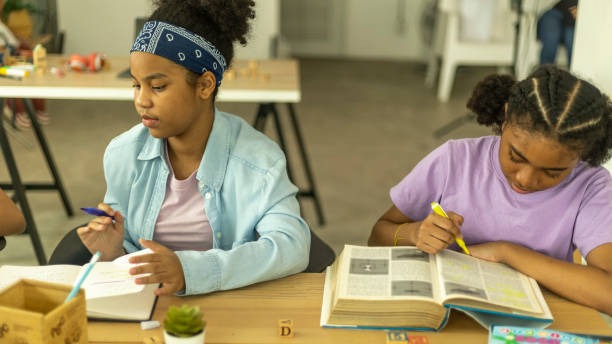
The beauty of environmental education lies in its versatility. It can take many forms, from formal classroom instruction to hands-on experiences in nature. Schools are integrating sustainability into their curriculums, teaching students about biodiversity, climate change, and renewable energy sources. This approach not only enriches their academic experience but also instills a sense of responsibility. Children learn that their choices matter and that they have the power to make a difference, no matter how small.
Beyond the classroom, community initiatives are flourishing. Local organizations are hosting workshops, nature walks, and clean-up events that invite residents to get involved. These activities foster a sense of belonging and encourage collaboration. When people come together to tackle environmental issues, they create a shared narrative of hope and resilience. It’s about building connections—between individuals, communities, and the natural world.
One particularly heartwarming aspect of these programs is their ability to bridge generational gaps. Families are discovering new ways to connect through environmental education. Parents and children can engage in activities like gardening, recycling projects, or wildlife conservation efforts. These shared experiences not only strengthen familial bonds but also cultivate a shared ethos of stewardship toward the environment. It’s a gentle reminder that caring for the earth is a legacy worth passing down.
As environmental education expands, so too does the recognition of diverse voices and perspectives. Many programs are incorporating indigenous knowledge and practices, highlighting the importance of traditional ecological wisdom. This inclusion enriches the educational experience and fosters respect for various cultural approaches to nature. By embracing a more holistic understanding of the environment, we can learn valuable lessons about sustainability that transcend borders.
In addition, the rise of technology has opened new avenues for environmental education. Online platforms and social media are making it easier than ever to access information and connect with like-minded individuals. Virtual workshops and webinars allow people from different backgrounds to share insights and strategies for addressing environmental challenges. This digital accessibility can inspire a global movement, as individuals unite around common goals and ideas.
The expansion of environmental education programs also aligns with a broader societal shift toward wellness and mindfulness. People are increasingly seeking ways to enhance their well-being, and a connection to nature plays a crucial role in this pursuit. Studies have shown that spending time outdoors can reduce stress, improve mental health, and foster a sense of peace. By integrating environmental education into wellness practices, we create a harmonious balance between personal health and planetary health.
A small shift toward balance can have profound implications. As we learn more about our environment, we become more aware of the choices we make in our daily lives. Simple actions, like reducing plastic use, conserving water, or supporting local produce, can collectively lead to significant change. Environmental education empowers individuals to take these steps with confidence, reinforcing the idea that every action counts.
Moreover, the expansion of these programs is fostering a new generation of leaders who are passionate about sustainability. Young activists are emerging, advocating for policies that protect the environment and promote social justice. Their voices are powerful reminders of the urgency of the climate crisis and the need for systemic change. As they rally communities and inspire action, they embody the essence of what environmental education aims to achieve.
The journey of environmental education is ongoing, and its impact will continue to evolve. As we move forward, it’s essential to remain open to new ideas and approaches. Collaboration between educators, policymakers, and communities will be vital in nurturing a culture of sustainability. The more we invest in education, the more equipped we will be to tackle the challenges that lie ahead.
Every step taken in the name of environmental education is a step toward healing our planet. It’s an invitation to explore the beauty of nature, to listen to its stories, and to recognize our role in its preservation. In fostering a deeper understanding of the environment, we cultivate a sense of wonder and appreciation that transcends generations.
As we embrace the expansion of environmental education programs, let us remember that we are all part of this intricate tapestry of life. Each of us has a unique role to play in nurturing our planet, and through education, we can inspire others to join us on this journey. Together, we can create a brighter, more sustainable future for ourselves and for those who will follow in our footsteps.