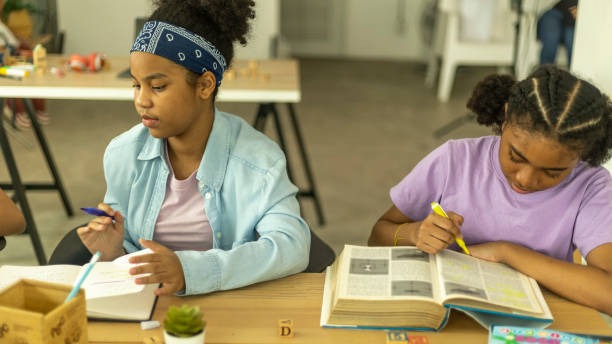
Creating a nurturing environment in the classroom is essential for fostering trust and collaboration among students.
When students feel safe and valued, they are more likely to engage actively in their learning.
Establishing classroom rules that promote trust can transform the dynamics of a classroom, encouraging students to express themselves freely and support one another.
Here, we explore some effective classroom rules that can help build a strong foundation of trust among students.
A gentle approach to communication
One of the cornerstones of trust is effective communication. Encouraging students to express their thoughts and feelings respectfully can create an atmosphere where everyone feels heard. This rule can be framed as a commitment to kindness, where students agree to listen actively and respond thoughtfully. By modeling this behavior, teachers can demonstrate the importance of empathy and understanding. When students practice open communication, they learn to appreciate diverse perspectives, which strengthens their relationships with one another.
Fostering a sense of responsibility
Another vital aspect of building trust is cultivating a sense of responsibility within the classroom. When students are given the opportunity to take ownership of their actions, they learn that their choices have consequences. Establishing rules that emphasize accountability can empower students to reflect on their behavior and its impact on their peers. For instance, creating a shared agreement about how to handle conflicts can encourage students to work together towards resolution rather than escalating tensions. This approach not only fosters trust but also teaches valuable life skills.
Creating a safe space for vulnerability
Trust thrives in an environment where vulnerability is welcomed. This can be achieved by encouraging students to share their thoughts and feelings without fear of judgment. Establishing a rule that promotes confidentiality—where students agree to keep each other’s shared experiences private—can help create this safe space. When students know they can share their struggles and triumphs with their classmates, they are more likely to open up and build deeper connections. This rule nurtures a sense of community, allowing students to support one another through challenges and celebrate successes together.
Encouraging collaboration and teamwork
Collaboration is at the heart of building trust among students. When they work together on projects or group activities, they learn to rely on each other’s strengths and support one another in areas of growth. Establishing classroom rules that prioritize teamwork can help students develop a sense of belonging and shared purpose. For example, students can agree to celebrate each other’s contributions and provide constructive feedback. This not only enhances their learning experiences but also fosters a culture of trust, where students feel valued for their unique skills and perspectives.
Emphasizing respect for differences
In a diverse classroom, it is crucial to establish rules that promote respect for individual differences. Encouraging students to appreciate and embrace diversity can create a richer, more inclusive environment. A rule that encourages curiosity about each other’s backgrounds and experiences can help students learn from one another, fostering respect and understanding. By creating opportunities for students to share their cultures and traditions, teachers can facilitate meaningful conversations that deepen trust and connection among classmates.
Nurturing a growth mindset
Trust can also be cultivated through the promotion of a growth mindset, where students understand that abilities can be developed through dedication and effort. Establishing rules that encourage perseverance and resilience can help students feel supported in their learning journeys. When students are reminded that making mistakes is a natural part of growth, they become more willing to take risks and challenge themselves. This shared understanding creates an environment where students can trust that their peers will encourage them in their efforts, fostering a positive and collaborative atmosphere.
Celebrating achievements together
Recognizing and celebrating achievements, both big and small, can significantly strengthen trust among students. Establishing a classroom rule that highlights the importance of acknowledging each other’s successes fosters a sense of community and support. When students celebrate one another’s accomplishments, they create a culture of encouragement that reinforces trust. This could be as simple as sharing “shout-outs” during class or creating a space where students can display their work. By reinforcing the idea that everyone’s achievements matter, students learn to uplift each other and build lasting connections.
Creating opportunities for reflection
Encouraging students to reflect on their experiences can also play a vital role in building trust. Establishing a rule that promotes regular check-ins or reflection sessions can help students articulate their thoughts and feelings about their interactions with one another. This practice not only fosters self-awareness but also encourages students to consider how their actions affect their peers. By taking the time to reflect together, students can deepen their understanding of one another and strengthen the bonds of trust within the classroom.
Incorporating fun and creativity
Lastly, creating a playful and creative classroom environment can naturally enhance trust among students. Establishing rules that incorporate fun activities, such as team-building exercises or creative projects, can help students connect on a personal level. When students engage in enjoyable experiences together, they build positive memories that contribute to a sense of camaraderie. This playful approach to learning fosters an environment where students feel comfortable being themselves, ultimately strengthening the trust that binds them together.
Building trust in the classroom is an ongoing journey. By establishing clear, supportive rules that promote communication, responsibility, vulnerability, collaboration, respect, growth, celebration, reflection, and creativity, educators can create a nurturing environment where students thrive. When trust flourishes, students not only enhance their academic experiences but also develop the social and emotional skills necessary for lifelong learning and meaningful relationships. In this way, the classroom becomes a safe haven where students can explore, grow, and learn together in harmony.