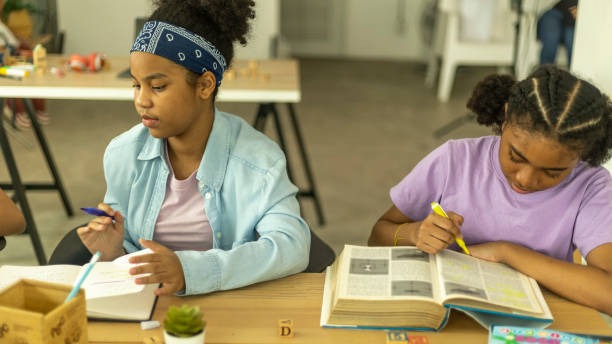
In a world increasingly driven by technology and rapid information exchange, the importance of reading remains a cornerstone of education and personal development.
For many students, reaching reading milestones can be a challenging journey.
However, with the right interventions and support, every child can become a confident and capable reader.
Understanding the nuances of this journey can not only empower students but also provide educators and parents with effective strategies to nurture a love of reading.
The foundation of a child’s reading journey is often laid in the early years. As children encounter letters, sounds, and words, their minds begin to weave together the threads of language. However, it’s not uncommon for some students to face hurdles that can make this process feel daunting. Whether it’s a learning difference, a lack of exposure, or simply the challenges of navigating a complex language, these obstacles can create a gap that feels insurmountable. The good news is that intervention can be a powerful tool in bridging this gap.
Creating a supportive reading environment at home can make a world of difference. Parents and caregivers can foster a love of reading by surrounding children with books that spark their interest. Visiting libraries, exploring different genres, and sharing stories together can ignite a passion for literature. When children see reading as a joyful activity rather than a chore, their motivation flourishes. This enthusiasm is often reflected in their progress as they reach significant reading milestones.
A small shift toward balance can also be incredibly beneficial. When students are encouraged to read at their own pace, they often feel less pressure and more freedom to explore. This is particularly important for struggling readers, who may become discouraged if they feel they are constantly being measured against their peers. Allowing for a range of reading levels and providing opportunities for choice can help students feel more in control of their learning journey.
In the classroom, teachers play a vital role in recognizing when students need additional support. Early identification of reading difficulties is crucial. With observation and assessment, educators can identify students who may benefit from targeted interventions. These interventions can take many forms, from one-on-one reading sessions to small group activities that promote collaboration and peer learning. By personalizing the approach, educators can help students feel more engaged and invested in their reading journey.
Technology can also serve as a wonderful ally in supporting reading development. There are countless apps and online resources designed to make reading fun and interactive. These tools can cater to various learning styles and provide instant feedback, which can be especially encouraging for students who may struggle with traditional methods. Incorporating technology into reading interventions can create a dynamic learning experience that resonates with today’s learners.
Another essential aspect of helping students reach their reading milestones is fostering resilience and a growth mindset. It’s important for students to understand that making mistakes is a natural part of learning. Encouraging them to view challenges as opportunities for growth can significantly impact their attitude toward reading. Celebrating small victories along the way can help build their confidence and motivate them to continue pushing forward.
Collaboration among parents, teachers, and specialists is key to creating a comprehensive support system for students. Regular communication can ensure that everyone involved in a child’s education is on the same page. This partnership can lead to the development of tailored strategies that address the unique needs of each student. When families and educators work together, they create a strong foundation for success that extends beyond the classroom.
In addition to academic support, it’s essential to nurture the emotional and social aspects of reading. Many students thrive in environments where they feel safe and valued. Creating a culture of encouragement and respect can help students build the confidence they need to tackle reading challenges. Group reading activities, book clubs, and shared storytelling can foster a sense of community that enhances the overall reading experience.
As students progress on their reading journey, it’s important to celebrate their achievements, no matter how small. Acknowledging milestones—whether it’s finishing a book, mastering a new vocabulary word, or simply expressing enjoyment in reading—can reinforce their love for literature. These moments of recognition can serve as powerful motivators, encouraging students to continue exploring the world of words.
Promoting reading fluency is another critical component of intervention. Fluency—the ability to read smoothly and accurately—can be developed through practice and repetition. Engaging students in repeated readings of familiar texts can help build their confidence and improve their overall reading skills. This practice not only enhances fluency but also fosters a deeper connection with the stories being read.
Ultimately, the journey to reach reading milestones is unique for every student. While some may progress quickly, others may take their time, and that’s perfectly okay. The key is to provide a nurturing and supportive environment where students feel empowered to learn at their own pace. As they navigate this path, the love of reading can blossom, opening doors to a world of imagination, knowledge, and personal growth.
In conclusion, helping students reach their reading milestones through intervention is a multifaceted approach that requires patience, creativity, and collaboration. By creating supportive environments at home and in the classroom, celebrating achievements, and fostering resilience, we can guide students on their journey to becoming confident readers. Ultimately, the goal is not just to help them read but to cultivate a lifelong love of literature that enriches their lives in countless ways. In this ever-evolving world, the ability to read opens up a universe of possibilities, empowering students to dream big and explore their full potential.