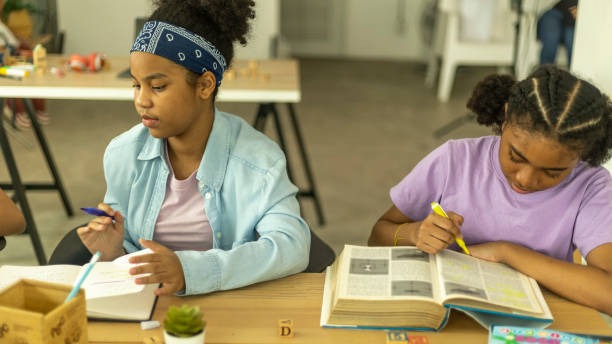
In today’s fast-paced world, education is undergoing a significant transformation.
The rise of technology in the classroom has opened up a myriad of possibilities for both teachers and students.
One of the most impactful developments has been the introduction of e-learning modules, which have become invaluable tools for educators seeking to personalize lessons.
These digital resources not only cater to diverse learning styles but also allow teachers to connect with their students in more meaningful ways.
A gentle shift in teaching strategies
Traditionally, teaching often followed a one-size-fits-all approach. Teachers would deliver lessons based on a standardized curriculum, which could leave some students feeling disengaged or overwhelmed. However, with the advent of e-learning modules, educators are finding new ways to tailor their lessons to meet individual needs. This shift is not merely about technology; it represents a change in mindset towards more student-centered learning.
E-learning modules can be designed to accommodate various learning styles, whether visual, auditory, or kinesthetic. A student who grasps concepts better through interactive simulations can thrive in an environment where such resources are available. Meanwhile, another student may benefit from video lectures or reading materials that they can access at their own pace. The flexibility of these modules encourages teachers to embrace a more inclusive approach, fostering a learning environment where every student can flourish.
Nurturing connections through personalization
Personalization in education goes beyond just adapting content to suit individual preferences. It also encompasses building strong relationships between teachers and students. E-learning modules often come with features that allow educators to track student progress in real-time. This data can offer insights into each student’s strengths and weaknesses, enabling teachers to provide targeted feedback and support.
When teachers can see how a student is engaging with the material, they can initiate conversations that are relevant and meaningful. For instance, if a teacher notices that a student struggles with a particular topic, they can reach out and offer additional resources, or even arrange a one-on-one session to explore the subject more deeply. This proactive approach nurtures a sense of community and trust, which is essential for effective learning.
Creating a flexible learning environment
Another benefit of e-learning modules is the flexibility they offer. In a traditional classroom setting, teachers are often constrained by time and space. However, with digital resources, lessons can be accessed anytime and anywhere. This flexibility is particularly beneficial for students who may have extracurricular commitments or personal challenges that affect their learning schedule.
For instance, a student who excels in science but struggles with math can spend extra time on math modules without feeling pressured to keep pace with the rest of the class. Conversely, a student who finds certain topics easy can accelerate their learning by diving deeper into advanced subjects. This adaptability not only empowers students but also alleviates some of the pressures that teachers face in ensuring that everyone is on the same page.
Fostering self-directed learning
E-learning modules encourage self-directed learning, a skill that is becoming increasingly important in today’s world. As students engage with these resources, they learn to take ownership of their education. They can set their own learning goals, choose resources that resonate with them, and track their progress over time. This autonomy fosters a sense of responsibility and helps students develop critical thinking and problem-solving skills.
Teachers play a crucial role in guiding students through this process. By providing a variety of e-learning modules, educators can invite students to explore their interests and passions. This not only makes learning more enjoyable but also instills a lifelong love of knowledge. When students feel empowered to direct their own learning, they are more likely to become engaged, enthusiastic learners.
Embracing collaboration and community
E-learning modules also facilitate collaboration among students. Many platforms allow for group activities, discussions, and projects, enabling students to work together regardless of their physical locations. This collaborative aspect can enhance the learning experience, as students learn from one another and share diverse perspectives.
Teachers can harness this collaborative spirit by designing assignments that require teamwork. For example, students can work in groups to complete a project using online tools that allow for real-time collaboration. This not only helps them develop social skills but also prepares them for future endeavors, whether in higher education or the workplace.
Finding balance in technology use
While the benefits of e-learning modules are numerous, it’s essential to find a balance in their use. Technology should be viewed as a complement to traditional teaching methods rather than a replacement. Teachers can blend face-to-face interactions with digital resources, creating a harmonious learning environment that caters to the needs of all students.
By striking this balance, educators can ensure that their students benefit from the best of both worlds. In-person discussions and hands-on activities can be enriched by the resources available through e-learning modules. This holistic approach not only enhances the learning experience but also fosters a sense of belonging in the classroom.
Looking toward the future of education
As we continue to navigate the evolving landscape of education, it’s clear that e-learning modules will play a significant role in shaping the future. They empower teachers to personalize lessons, foster connections, and cultivate a love for learning among students. By embracing these tools, educators can create a more inclusive, engaging, and supportive environment where every student has the opportunity to thrive.
Ultimately, the goal of education is to inspire and equip students for their journey ahead. With the help of e-learning modules, teachers can personalize lessons in ways that resonate with their students, nurturing not only academic success but also a lifelong passion for knowledge. As we move forward, it’s exciting to imagine the possibilities that lie ahead in the world of education, where technology and personalization come together to create a brighter future for all learners.