Supporting Strong Development Through Child Enrichment
As parents, caregivers, and educators, we all share a common goal: nurturing the next generation to be happy, healthy, and capable individuals.
The journey of child development is a fascinating one, filled with opportunities for learning and growth.
Enrichment activities play a pivotal role in this journey by providing children with experiences that stimulate their curiosity, creativity, and critical thinking.
In this exploration, we will delve into the importance of child enrichment and how it can lay a strong foundation for lifelong learning.
Understanding child enrichment begins with recognizing that development goes beyond the basics of academic learning. While reading, writing, and arithmetic are essential, so too are the skills that help children navigate the world around them. Enrichment activities can include anything from arts and crafts to nature walks, cooking, or even exploring different cultures. These experiences foster a sense of wonder and help children develop social skills, emotional intelligence, and resilience.
One of the most beautiful aspects of child enrichment is its versatility. It can take many forms, and the best part is that it often doesn’t require elaborate planning or expensive materials. Simple activities, like baking cookies with a parent or visiting a local museum, can provide rich learning experiences. These moments not only teach children about the world but also strengthen their bonds with caregivers. The laughter shared while measuring ingredients or the awe felt while observing a dinosaur skeleton can create lasting memories and instill a love of learning.
A small shift toward balance in daily routines can also enhance the enrichment experience. In our fast-paced lives, we often find ourselves caught up in schedules and to-do lists. However, carving out time for unstructured play can be incredibly beneficial. Allowing children to explore their interests freely encourages creativity and problem-solving. Whether they choose to build a fort with couch cushions or create a new game with friends, these experiences are vital for developing independence and self-confidence.
Emotional well-being is another crucial component of child development. Engaging in enrichment activities can help children express their feelings and learn to cope with challenges. Arts and crafts, for instance, offer a wonderful outlet for self-expression. A child may use colors to convey their emotions or create stories through drawing and painting. These activities not only provide a creative outlet but also help children develop fine motor skills and hand-eye coordination.
Exploring nature is another enriching experience that can have profound effects on a child’s development. Nature offers a sense of wonder and discovery that is unmatched. Whether it’s collecting leaves, observing insects, or simply enjoying the fresh air, being outdoors allows children to connect with the environment. This connection fosters a sense of responsibility and appreciation for the world around them. Additionally, outdoor play encourages physical activity, which is essential for overall health and well-being.
Encouraging children to engage with diverse cultures and experiences can also expand their worldview. This might involve cooking a meal from a different country, attending cultural festivals, or reading stories from various backgrounds. Such activities not only promote inclusivity and empathy but also help children develop an appreciation for diversity. Understanding different perspectives can lead to more compassionate and open-minded individuals.
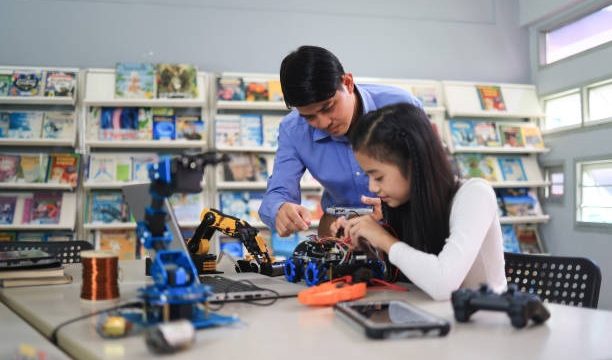
Incorporating technology into enrichment can also be beneficial when done thoughtfully. Educational apps and online resources can provide interactive learning experiences that captivate children’s attention. However, balance is key. It’s important to ensure that screen time is complemented by hands-on activities that promote physical interaction and socialization. The goal is to create a well-rounded approach that nurtures both cognitive and emotional development.
Furthermore, the role of community cannot be understated when it comes to child enrichment. Local libraries, community centers, and recreational programs often offer a variety of activities designed to engage children. Participating in group activities not only fosters social skills but also helps children learn to work as part of a team. Whether it’s joining a sports team, attending a book club, or participating in community service, these experiences allow children to connect with their peers and form meaningful relationships.
As we consider the various aspects of child enrichment, it’s essential to remember that every child is unique. What works for one child may not resonate with another. Observing a child’s interests and passions can provide valuable insights into the types of enrichment activities that will be most beneficial. This personalized approach ensures that children feel seen and understood, which is fundamental to their overall development.
Ultimately, the goal of child enrichment is to create an environment where children feel safe to explore and learn. It’s about fostering curiosity, encouraging creativity, and supporting emotional growth. By providing a rich tapestry of experiences, we equip children with the tools they need to navigate the complexities of life. These experiences foster a love for learning that can last a lifetime.
In conclusion, supporting strong development through child enrichment is a beautiful journey. It requires a delicate balance of structured activities and free exploration, an appreciation for diversity, and a deep understanding of each child’s unique needs. As we invest time and energy into enriching our children’s lives, we not only contribute to their development but also create cherished memories that will last a lifetime. Embracing this journey with warmth and openness will undoubtedly lead to a brighter future for our children and, in turn, for our communities.