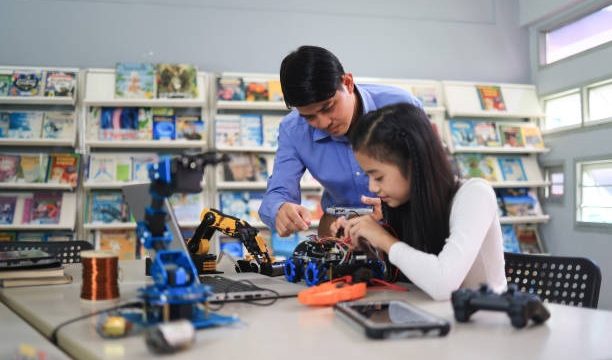
In a world brimming with distractions, the quest to nurture curiosity and skills in children has never been more essential.
As parents and caregivers, we often find ourselves searching for ways to inspire our little ones to explore, learn, and grow.
The beauty of childhood lies in its boundless curiosity, and with a gentle push towards enrichment, we can help children cultivate a lifelong love for discovery.
The foundation of enriching experiences begins at home, where the environment is a canvas for creativity and exploration. Simple changes can ignite a spark of curiosity. Creating a cozy reading nook filled with books spanning various genres can transport children to different worlds. Whether they are exploring the mysteries of the universe or diving into a fantastical adventure, reading fosters imagination and critical thinking. Encouraging daily reading habits can open doors to new ideas and perspectives, allowing children to see the world through different lenses.
In addition to reading, hands-on activities can significantly enhance a child’s learning experience. Engaging in arts and crafts, for instance, allows children to express themselves freely while developing fine motor skills. Painting, drawing, or even simple coloring can become a form of storytelling, encouraging them to share their thoughts and feelings. These creative outlets not only boost confidence but also inspire children to think outside the box, nurturing their problem-solving abilities in the process.
Exploring the natural world is another enriching endeavor that can awaken a child’s sense of wonder. Nature walks, whether in a local park or a backyard, provide opportunities for observation and inquiry. Children can gather leaves, observe insects, or even watch birds. These experiences foster an appreciation for the environment and encourage questions about the natural world. Why do leaves change color? How do birds build their nests? Such inquiries can lead to delightful discussions and further exploration, enhancing their understanding of science and nature.
A small shift toward balance in learning can also be achieved through play. Unstructured playtime is a vital aspect of childhood development. It allows children to navigate their imaginations and develop social skills. Whether they are building with blocks, playing pretend, or engaging in cooperative games, play encourages creativity and teamwork. It is through these interactions that children learn to negotiate, share, and collaborate with others, laying the groundwork for future relationships.
Incorporating educational games into playtime can provide a subtle yet effective way to boost skills. Board games, puzzles, and even interactive online resources can make learning fun while enhancing cognitive abilities. Math games that involve counting and strategy can sharpen problem-solving skills, while word games can expand vocabulary and language comprehension. The key is to find activities that resonate with your child’s interests, making learning feel like an enjoyable adventure rather than a chore.
As children grow, the importance of social interactions becomes increasingly evident. Group activities, whether in a classroom setting or through extracurricular programs, can significantly enrich their experiences. Participation in clubs, sports, or community service can help children build friendships, learn teamwork, and develop leadership skills. These experiences not only foster a sense of belonging but also teach valuable life lessons about responsibility and empathy.
Encouraging curiosity through questions is another vital aspect of enrichment. When children ask “why” or “how,” it’s an invitation to explore deeper topics together. Rather than simply providing answers, engaging them in discussions encourages critical thinking. For example, if a child is curious about how rainbows are formed, exploring that question together can turn into a delightful science lesson. This collaborative approach not only satisfies their curiosity but also reinforces the idea that learning is a continuous journey.
Technology, when used mindfully, can also play a role in enriching a child’s experience. Educational apps and online resources can provide interactive learning opportunities that cater to various interests and learning styles. However, it’s essential to strike a balance. Setting limits on screen time and ensuring that digital interactions are complemented by physical activities and face-to-face interactions can create a holistic approach to learning.
As we ponder the different facets of enrichment, it’s crucial to remember that each child is unique. What sparks curiosity in one may not resonate with another. Therefore, fostering a supportive environment that celebrates individuality is key. Encourage children to pursue their passions, whether it’s through music, sports, art, or science. Providing them with the freedom to explore these interests can lead to a more profound sense of self and purpose.
Moreover, the role of emotional support cannot be overstated. Children thrive in environments where they feel safe and valued. Taking the time to listen to their thoughts and concerns, validating their feelings, and celebrating their achievements—no matter how small—can significantly impact their self-esteem and willingness to explore new things. When children know they have a strong support system, they are more likely to take risks and venture into uncharted territory.
In the grand tapestry of childhood, nurturing curiosity and skills is a gentle, ongoing process. It’s about creating a space where exploration is welcomed, questions are encouraged, and learning is a joyous adventure. By weaving together elements of creativity, nature, play, social interaction, and emotional support, we can cultivate a rich environment that not only boosts children’s skills but also ignites their innate curiosity.
As we guide our children on this journey, let us embrace the beauty of discovery together. After all, the world is a treasure trove of knowledge waiting to be uncovered, and with a little encouragement and the right tools, we can help our children become lifelong learners, ready to explore the wonders that life has to offer.