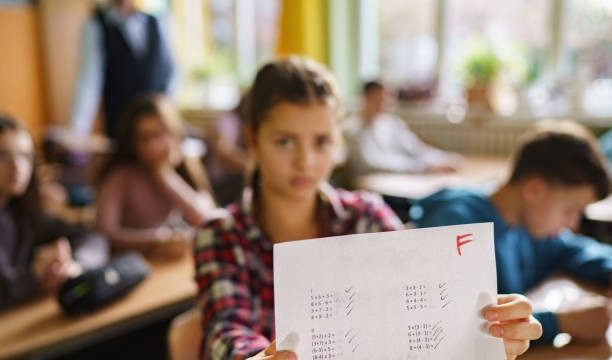
In today’s fast-paced educational landscape, students often find themselves grappling with feelings of isolation and disconnection from their classes.
The shift to online learning and the growing reliance on technology can sometimes create barriers rather than bridges.
However, there are several tools and strategies that can help foster a sense of connection and community among students, making their educational journey more enjoyable and enriching.
Creating a sense of belonging is vital for students to thrive. When students feel connected to their peers and instructors, they are more likely to engage in the learning process and achieve their academic goals. One of the most effective ways to enhance this connection is through technology that encourages interaction and collaboration.
A gentle nudge toward interaction
In many cases, online platforms can serve as a lifeline for students looking to engage with their classmates and instructors. Tools like discussion boards and chat functions can facilitate meaningful conversations that extend beyond the classroom. These platforms allow students to ask questions, share insights, and support one another in their learning journeys.
For instance, using platforms like Google Classroom or Microsoft Teams can help create a virtual space where students can communicate freely. These tools not only streamline the sharing of resources but also foster a sense of community. When students can engage with one another outside of formal lessons, they often feel more connected to the material and to each other.
Finding harmony through collaboration
Group projects are another excellent way to enhance connection among students. While they can sometimes feel daunting, they offer a unique opportunity to collaborate and build relationships. Tools like Padlet or Miro allow students to brainstorm and share ideas in real-time, creating a collaborative environment that can make learning more dynamic and enjoyable.
When students work together, they not only learn from the material but also from each other. This collaborative spirit can lead to deeper friendships and a stronger sense of belonging. Additionally, working together on projects encourages students to communicate their thoughts and ideas, which can enhance their understanding of the subject matter.
A small shift toward balance
In a world that often feels overwhelming, mindfulness tools can also play a crucial role in helping students feel connected to their classes. Apps like Headspace or Calm offer guided meditations that can help students center themselves before diving into their studies. By taking a moment to breathe and reflect, students can create a mental space that fosters focus and clarity.
Moreover, incorporating mindfulness practices into the classroom can help cultivate a supportive environment. When educators encourage moments of reflection or mindfulness, it can create a culture of empathy and understanding. This, in turn, allows students to feel more connected to their learning environment and to each other.
Expanding horizons with virtual experiences
Field trips and hands-on experiences have long been a staple of education, but the digital world offers exciting new possibilities. Virtual field trips can transport students to places they may never have the chance to visit physically, opening their minds to new ideas and cultures. Websites like Google Arts & Culture allow students to explore museums and historical sites from the comfort of their homes.
These experiences can spark discussion and excitement among students, providing them with common ground to connect over. When a class can share in the wonder of a virtual tour, it creates shared memories and experiences that strengthen their bonds.
Nurturing creativity and expression
Creative tools can also play a significant role in helping students feel more connected to their classes. Platforms like Canva or Adobe Spark encourage students to express their ideas visually, making learning more engaging. When students can create presentations, infographics, or videos, they are not only showcasing their understanding of the material but also their unique perspectives.
Encouraging creativity in the classroom can foster a sense of ownership over one’s learning. When students feel empowered to express themselves, they are more likely to connect with the content and with their peers. This creative exploration can lead to discussions that deepen their understanding and appreciation of the subject matter.
Building bridges through mentorship
Another powerful way to foster connection is through mentorship programs. Pairing students with mentors—whether they are older students, teachers, or community members—can provide valuable guidance and support. Mentorship can help students navigate the complexities of their educational journeys while also offering a sense of belonging.
Mentors can share their experiences and insights, helping students feel less alone in their challenges. This relationship can be particularly beneficial for students who may feel disconnected from their peers. A supportive mentor can provide encouragement and motivation, fostering a sense of community that extends beyond the classroom.
Cultivating a supportive environment
Finally, creating a culture of openness and inclusivity is essential for fostering connection in the classroom. Educators play a crucial role in setting the tone for their students. By encouraging open dialogue and valuing diverse perspectives, teachers can help students feel safe and supported in expressing themselves.
When students feel valued and heard, they are more likely to engage with the material and with each other. A supportive environment can lead to stronger relationships among classmates and a deeper connection to the learning process.
In conclusion, feeling connected to class is an essential part of the educational experience. By leveraging technology, fostering collaboration, promoting creativity, and cultivating a supportive environment, students can find the connection they need to thrive. These tools and strategies not only enhance their learning experience but also help build lasting relationships that extend beyond the classroom. Ultimately, when students feel connected, they are more likely to flourish academically and personally, paving the way for a brighter future.