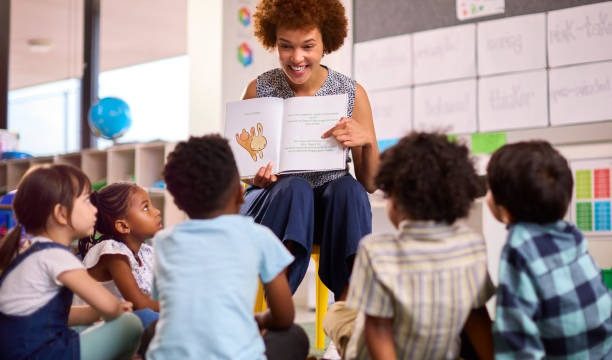
In recent years, the landscape of education has undergone a remarkable transformation.
The emergence of hybrid learning—an approach that combines traditional in-person teaching with online instruction—has opened up new avenues for students and educators alike.
This blend of methodologies is not just a reaction to external circumstances but a thoughtful adaptation that maximizes educational outcomes in ways we are only beginning to understand.
A gentle evolution toward flexibility
The beauty of hybrid learning lies in its flexibility. Students no longer find themselves confined to a single mode of learning. Instead, they can engage with materials in a way that suits their individual needs and lifestyles. This approach allows for a more personalized educational experience, where learners can choose when to attend classes in person and when to engage with content online. This flexibility can be especially beneficial for those balancing studies with work or family responsibilities.
Imagine a student who thrives in a lively classroom environment but also appreciates the quiet focus of studying at home. Hybrid learning accommodates both preferences, allowing for a dynamic balance that can lead to greater satisfaction and, ultimately, better outcomes. By meeting students where they are, educators can foster a more inclusive and engaging learning environment.
Creating a sense of community
While online learning has its advantages, one of the challenges it presents is the potential for isolation. Hybrid learning models can effectively bridge this gap by incorporating opportunities for students to connect with one another, both in person and virtually. Group projects, discussions, and collaborative activities can seamlessly integrate into the curriculum, creating a sense of community among students.
When students feel connected, they are more likely to engage deeply with the material and support one another in their educational journeys. This camaraderie can lead to a more enriching experience, where learning becomes a shared adventure rather than a solitary pursuit. Educators can play a vital role in cultivating this sense of belonging by designing activities that encourage interaction and collaboration.
The power of varied learning modalities
One of the key strengths of hybrid learning is its ability to cater to different learning styles. Some students absorb information best through visual aids, while others may prefer auditory or kinesthetic learning methods. By offering a mix of in-person lectures, video content, interactive quizzes, and hands-on activities, hybrid learning environments can engage students on multiple levels.
This variety not only keeps students interested but also helps reinforce learning. For instance, a student who has watched a video lecture may better understand the material when they later discuss it in class or apply it in a practical setting. This multi-faceted approach to education can enhance retention and comprehension, ultimately leading to improved academic performance.
Fostering self-directed learning
In a hybrid learning model, students often take more responsibility for their own learning. With the ability to access materials online, they can revisit lectures, explore supplementary resources, and take charge of their study schedules. This shift toward self-directed learning encourages students to develop critical skills such as time management, organization, and independent problem-solving.
As they navigate their educational paths, students learn to set goals, monitor their progress, and reflect on their learning experiences. These skills are invaluable not only in academic settings but also in personal and professional realms. By nurturing self-directed learners, hybrid education prepares students for a lifetime of curiosity and growth.
Embracing technology as a tool for connection
The role of technology in hybrid learning cannot be understated. Online platforms and tools facilitate communication, collaboration, and access to resources in ways that traditional classrooms may not. Video conferencing, discussion boards, and interactive simulations can enhance the educational experience, making it richer and more engaging.
Moreover, technology can help break down geographical barriers, allowing students from diverse backgrounds to learn from one another and share their perspectives. This diversity of thought can lead to a more comprehensive understanding of complex subjects, fostering empathy and cultural awareness. In this way, technology becomes a bridge that connects students and educators, creating a vibrant tapestry of learning.
A small shift toward balance
While the benefits of hybrid learning are clear, it is essential to approach this model with mindfulness. Striking the right balance between online and in-person instruction is crucial for maximizing educational outcomes. Too much reliance on one mode of learning can lead to disengagement or overwhelm.
Educators and institutions must thoughtfully consider how to structure hybrid programs to provide a harmonious blend of experiences. Regular feedback from students can guide adjustments and ensure that the learning environment remains responsive to their needs. By prioritizing balance, educators can create a sustainable model that nurtures both academic success and overall well-being.
Looking ahead with optimism
As we navigate the ever-evolving landscape of education, hybrid learning stands out as a beacon of possibility. It offers a refreshing approach that prioritizes flexibility, community, and personal growth. As more institutions adopt this model, we can anticipate a future where education is not a one-size-fits-all experience but a tailored journey that respects and nurtures the unique strengths of each student.
In this new era of learning, we have the opportunity to embrace the best of both worlds. By blending traditional classroom experiences with the innovative possibilities of online education, we can create an enriching environment that maximizes educational outcomes. The path forward is bright, and with a thoughtful approach to hybrid learning, we can cultivate a generation of learners who are not only knowledgeable but also resilient, connected, and ready to thrive in an ever-changing world.