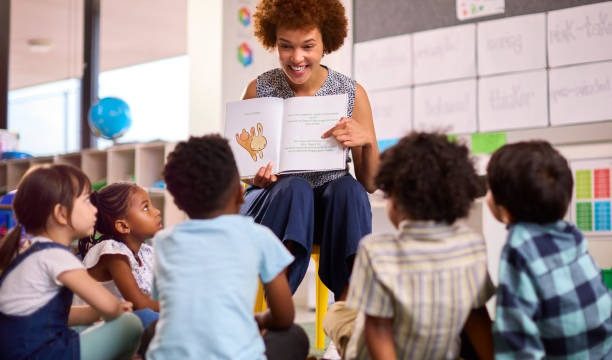
Transitioning to new environments can be an exhilarating yet daunting experience for students.
Whether it’s moving to a new school, entering a different grade, or adapting to a new learning format, these changes can stir a mix of excitement and anxiety.
School psychology plays a vital role in supporting students through these transitions, helping them navigate their feelings and find their footing in unfamiliar settings.
The heart of school psychology lies in understanding the emotional and social factors that influence a student’s learning experience. When students enter a new environment, they often face challenges that extend beyond academic adjustments. They may feel isolated, uncertain, or overwhelmed. A school psychologist serves as a guide, offering support and strategies to help students acclimate and thrive.
Creating a sense of belonging is essential for students adjusting to new surroundings. School psychologists work closely with educators, parents, and the students themselves to foster an inclusive atmosphere. They may implement programs that promote peer connections, encouraging students to build friendships and support networks. This sense of community can significantly ease feelings of loneliness and boost confidence, making the transition smoother.
Listening is a powerful tool in the school psychologist’s toolkit. By providing a safe space for students to express their thoughts and feelings, psychologists can help them articulate their concerns and fears. This process not only validates their emotions but also encourages self-reflection. Through thoughtful conversations, students can begin to understand their experiences and develop coping strategies that resonate with their individual needs.
As students navigate new environments, they often encounter a variety of stressors. Academic pressures, social dynamics, and even logistical challenges can contribute to heightened levels of anxiety. School psychologists are equipped to help students manage these stressors by teaching practical skills such as time management, organization, and effective communication. These skills not only help students tackle immediate challenges but also prepare them for future endeavors.
A small shift toward balance can make a significant difference in a student’s daily experience. School psychologists often encourage mindfulness practices, such as deep breathing or short meditation sessions, to help students center themselves amidst the chaos of transition. These practices can be particularly beneficial during moments of overwhelm, allowing students to regain focus and clarity.
In addition to individual support, school psychologists also work with teachers and administrators to create a more responsive educational environment. By providing training and resources, they help educators understand the unique challenges faced by students in transition. This collaborative approach ensures that every student receives the support they need, fostering an environment where learning can flourish.
Parental involvement is another crucial aspect of supporting students during transitions. School psychologists often engage with families to share insights and strategies that can be implemented at home. By fostering open communication between school and home, parents can be better equipped to support their children’s emotional and academic needs. This partnership creates a comprehensive support system that empowers students to navigate their new environments with confidence.
As students adjust to new settings, it’s important to celebrate their small victories. School psychologists encourage students to recognize their progress, no matter how minor it may seem. Acknowledging achievements boosts self-esteem and reinforces positive behaviors. Whether it’s making a new friend, participating in class, or simply feeling more comfortable in their surroundings, these moments of success are stepping stones toward greater resilience.
The role of school psychology extends beyond immediate transitions. The skills and strategies learned during these challenging times can have lasting impacts on a student’s academic journey and personal growth. By equipping students with the tools to manage stress and adapt to change, school psychologists empower them to face future challenges with resilience and confidence.
As society evolves, so do the environments in which students learn. The rise of online education and hybrid learning models has introduced new dynamics that require careful consideration. School psychologists are essential in helping students navigate these changes, ensuring they feel supported regardless of the format of their education. By addressing the unique challenges posed by digital learning, psychologists can help students develop the skills needed to thrive in both traditional and online settings.
In the end, the journey through new environments is a shared experience between students, educators, and psychologists. By fostering understanding, connection, and resilience, school psychology plays a pivotal role in helping students not only adapt but also flourish. The support provided during these formative years lays a foundation for lifelong learning and emotional well-being.
Transitioning to a new school or environment can be a profound experience, filled with both challenges and opportunities for growth. With the support of school psychologists, students can embrace these changes with an open heart and a curious mind. By nurturing their emotional well-being and equipping them with essential life skills, we can help them navigate the complexities of their educational journeys, leading to brighter futures and a deeper sense of belonging.