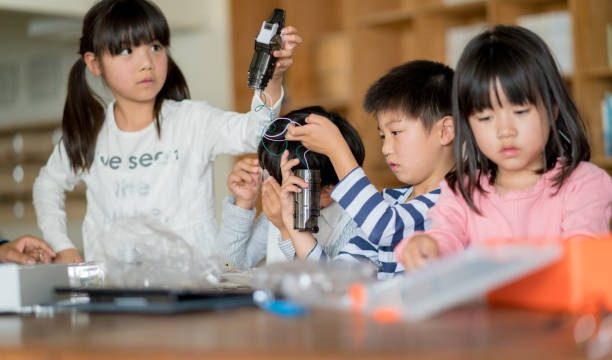
In recent years, the landscape of education has transformed dramatically, shifting from traditional classrooms to more dynamic, interactive environments.
With the rise of online learning tools, educators now have a wealth of resources at their fingertips, making it easier than ever to support students in their learning journeys.
These tools not only enhance the educational experience but also foster engagement, collaboration, and creativity.
A gentle shift in perspective can reveal the potential of these digital resources. Imagine walking into a classroom where every student is actively participating, their eyes bright with curiosity and excitement. This is the kind of atmosphere that online learning tools can help create. By integrating technology into the educational experience, teachers can provide personalized support that meets the diverse needs of their students.
One of the most compelling advantages of online learning tools is their ability to cater to different learning styles. Some students thrive in visual environments, while others may prefer auditory or kinesthetic methods. Platforms like Kahoot! or Quizlet provide interactive quizzes and flashcards that engage students in a fun and stimulating way, appealing to visual learners. Meanwhile, resources like podcasts and audiobooks can greatly benefit those who absorb information better through listening. By recognizing these varied preferences, educators can create a more inclusive space where every student has the opportunity to shine.
Collaboration is another cornerstone of effective learning, and online tools have made it easier than ever for students to connect with one another. Platforms such as Google Classroom and Microsoft Teams allow students to work together on projects, share ideas, and provide feedback in real-time, regardless of their physical location. This not only builds a sense of community but also teaches essential skills for the modern workplace, where teamwork and communication are vital. By fostering collaboration, educators can help students develop interpersonal skills that will serve them well in their future endeavors.
In addition to enhancing collaboration, online learning tools can also provide valuable data and insights into student performance. Programs like Edmodo and ClassDojo allow teachers to track progress, identify areas for improvement, and tailor their instruction accordingly. This data-driven approach empowers educators to provide targeted support, ensuring that no student is left behind. By utilizing these insights, teachers can create a more responsive and adaptive learning environment, ultimately leading to better outcomes for their students.
As we embrace the digital age, it’s essential to remember that technology is most effective when it complements traditional teaching methods. The best online learning tools are those that enhance, rather than replace, the human connection between teachers and students. Virtual discussions, video conferencing, and interactive presentations can bring a personal touch to online learning, allowing educators to maintain that vital relationship with their students. As we navigate this new educational landscape, finding balance between technology and personal interaction will be key.
Creating a supportive classroom environment goes beyond just the tools themselves; it’s also about the culture that educators foster. Encouraging a growth mindset, where mistakes are seen as opportunities for learning, can significantly impact student engagement. Online platforms often provide a safe space for students to take risks, explore new ideas, and learn from their peers. By nurturing this culture of support and encouragement, teachers can help students develop resilience and confidence in their abilities.
Another aspect to consider is the role of parents in the online learning ecosystem. With the rise of remote learning, many parents have become more involved in their children’s education. Tools like Seesaw or ClassTag allow parents to stay informed about their child’s progress and communicate with teachers easily. This partnership between educators and families can enhance student support, creating a holistic approach to learning that extends beyond the classroom. When parents and teachers work together, students benefit from a consistent and supportive environment.
As we explore the world of online learning tools, it’s essential to remain mindful of the potential challenges that come with technology. While these resources can greatly enhance the educational experience, they can also lead to distractions and information overload. Educators must be intentional about how they integrate these tools into their teaching, ensuring that they serve a clear purpose and align with learning objectives. Striking this balance can help create an environment where technology enriches rather than detracts from the learning experience.
Looking ahead, the future of education appears bright, with online learning tools continuing to evolve and expand. As we embrace these innovations, it’s important to remain focused on the ultimate goal: supporting students in their learning journeys. By leveraging the strengths of digital resources while maintaining the human connection that is so vital to education, we can create classrooms that inspire curiosity, foster collaboration, and empower students to reach their full potential.
In conclusion, the integration of online learning tools into the classroom offers a wealth of opportunities for both educators and students. By embracing these resources with a thoughtful approach, we can create an environment that nurtures engagement, collaboration, and personal growth. As we continue to explore the possibilities of technology in education, let us remember that at the heart of this journey is the desire to support and inspire the next generation of learners. Together, we can cultivate a brighter future for education that honors the unique needs and talents of every student.