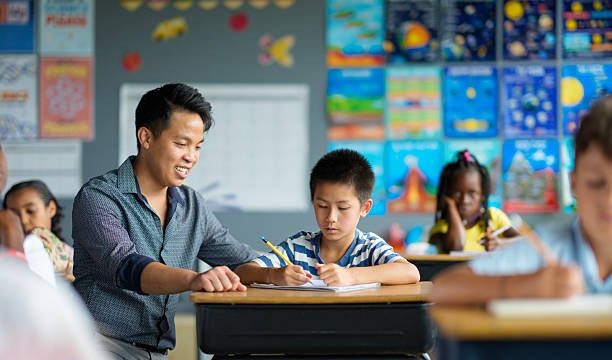
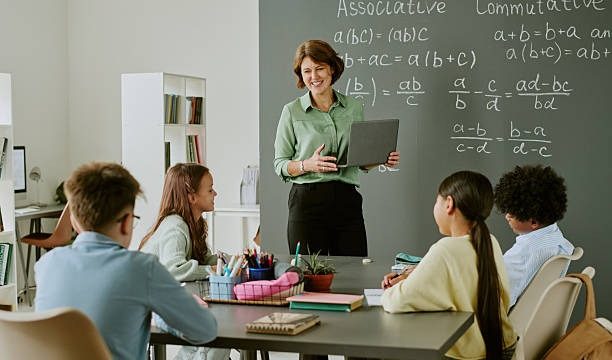
In recent years, the landscape of education has undergone a significant transformation, largely driven by technological advancements.
As classrooms evolve, so too do the tools that facilitate collaboration among students and teachers.
The future of classroom collaboration tools is not just about integrating new software or devices; it’s about fostering a culture of connection, creativity, and engagement.
Imagine a classroom where students from diverse backgrounds come together, sharing ideas, exploring concepts, and learning from one another in a seamless, interactive environment. This vision is becoming increasingly attainable as we embrace innovative collaboration tools designed to enhance the educational experience.
A gentle evolution in communication
At the heart of effective collaboration is communication. Traditional classroom settings often limited interaction to the physical space, but the rise of digital communication platforms has changed that. Tools like video conferencing, messaging apps, and shared online spaces are breaking down barriers, allowing students to connect regardless of their location. This shift encourages a more inclusive approach to learning, where every voice can be heard and valued.
As we look ahead, we can expect even more sophisticated communication tools that leverage artificial intelligence to facilitate meaningful exchanges. Imagine a platform that can analyze the tone of discussions or provide instant feedback on group dynamics. Such innovations could help educators understand their students better and tailor their teaching methods to foster a more collaborative spirit.
Cultivating a sense of community
Collaboration tools also have the power to build a sense of community within the classroom. Social media-like platforms designed for educational purposes are emerging, allowing students to share their projects, ideas, and experiences in a safe environment. These spaces can serve as digital bulletin boards where students celebrate each other’s achievements, ask for help, or brainstorm solutions together.
In the future, we may see tools that integrate gamification elements, transforming collaboration into a more engaging and enjoyable experience. By introducing friendly competitions or collaborative challenges, these tools can motivate students to work together while fostering a strong sense of camaraderie.
Creating engaging learning experiences
As we move forward, one of the most exciting prospects for classroom collaboration tools lies in their ability to create immersive learning experiences. Virtual and augmented reality technologies are beginning to find their way into education, providing students with interactive environments where they can collaborate on projects in ways that were previously unimaginable.
Picture a group of students exploring a historical site or conducting a science experiment in a virtual lab. With these tools, collaboration can extend beyond the confines of the classroom, allowing for real-world applications of knowledge. This not only enhances engagement but also helps students develop critical thinking and problem-solving skills as they work together to navigate complex scenarios.
Supporting diverse learning styles
Every student learns differently, and the future of classroom collaboration tools will likely reflect this diversity. Adaptive technologies that cater to various learning styles can enhance collaboration by allowing students to engage in ways that resonate with them. Whether through visual aids, interactive simulations, or auditory resources, these tools can help create a more personalized learning experience.
Incorporating elements of choice and flexibility will be essential. Students will be able to select the tools and methods that best suit their needs, fostering a sense of ownership over their learning journey. This empowerment can lead to deeper engagement and a more profound understanding of the material, as collaboration becomes a natural extension of their learning process.
The role of teachers in a collaborative future
As technology continues to evolve, the role of educators will also transform. Teachers will become facilitators, guiding students through their collaborative experiences rather than simply delivering content. This shift encourages a more student-centered approach, where educators focus on nurturing relationships and fostering an environment of trust and support.
Professional development programs will be crucial in equipping teachers with the skills they need to navigate this new landscape. By embracing collaboration tools themselves, educators can model effective teamwork and communication strategies, demonstrating to students the importance of these skills in both academic and real-world contexts.
A small shift toward balance
While the future of classroom collaboration tools is bright, it’s essential to maintain a balance between technology and traditional teaching methods. The human connection remains at the core of effective learning, and while digital tools can enhance collaboration, they should complement rather than replace personal interactions.
Educators will need to be intentional about how they integrate technology into their classrooms, ensuring that it serves the purpose of fostering relationships and enhancing communication. By creating a harmonious blend of digital and face-to-face interactions, classrooms can become vibrant ecosystems of learning, where students feel connected and supported.
Embracing the possibilities
As we look toward the future, it’s important to embrace the possibilities that classroom collaboration tools present. The potential for innovation is vast, and as educational institutions invest in these technologies, we can expect to see more creative, engaging, and inclusive learning environments.
The journey ahead will require collaboration among educators, students, and technology developers to ensure that these tools are not only effective but also accessible to all. By working together, we can create a future where every student has the opportunity to thrive, collaborate, and grow.
In conclusion, the future of classroom collaboration tools is an exciting frontier that promises to reshape the educational experience. By fostering communication, building community, and supporting diverse learning styles, these tools can enhance the way students interact with one another and with their teachers. As we embrace these innovations, we are not just preparing students for academic success; we are equipping them with the skills they need to navigate an increasingly interconnected world. The possibilities are endless, and the journey is just beginning.