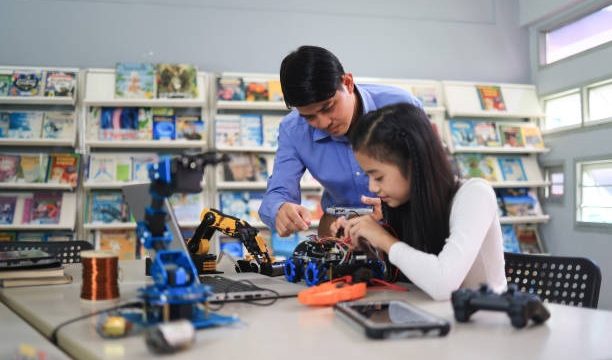
In our rapidly changing world, helping children expand their knowledge is more important than ever.
The quest for understanding is not just about academics; it’s about nurturing curiosity, creativity, and a love for learning that can last a lifetime.
Enrichment activities can provide children with the tools they need to explore their interests, develop new skills, and grow into well-rounded individuals.
One of the most beautiful aspects of childhood is the innate curiosity that children possess. They ask questions about everything, from the smallest pebble to the vastness of the sky. This natural inclination to explore can be gently guided through various enrichment activities that inspire learning beyond the classroom walls. By introducing children to new experiences, we can help them discover passions they may not have realized they had.
The world is full of opportunities for exploration. Whether it’s the arts, sciences, or sports, each domain offers unique experiences that can ignite a child’s enthusiasm. Art classes, for instance, allow children to express themselves creatively while developing fine motor skills. When they paint, draw, or sculpt, they aren’t just creating; they are learning to observe the world around them in new ways. This artistic exploration can foster confidence and self-expression, essential components of a child’s emotional development.
Similarly, science and nature provide endless avenues for discovery. Nature walks encourage children to observe their environment, prompting questions about ecosystems, weather patterns, and wildlife. Simple activities, such as collecting leaves or observing insects, can lead to meaningful discussions about biology and ecology. These experiences not only enrich their knowledge but also cultivate a sense of wonder and respect for the natural world.
Engaging in sports can also play a vital role in a child’s growth. Through physical activity, children learn about teamwork, discipline, and perseverance. Whether it’s soccer, swimming, or dance, each sport teaches valuable life lessons that extend beyond the field or studio. The friendships formed and the challenges faced during practice and competition build resilience and character, equipping children with skills they will carry into adulthood.
As we encourage children to explore various interests, it’s essential to maintain a balance. Over-scheduling can lead to stress and burnout, undermining the joy of learning. Instead, we can create a nurturing environment where children feel free to explore at their own pace. This might mean dedicating time for unstructured play, which is equally important for cognitive and social development. Allowing children to engage in imaginative play fosters creativity and problem-solving skills, providing a solid foundation for future learning.
A small shift toward balance can also include incorporating family activities that promote learning. Cooking together can be a delightful way to introduce concepts of math and science while nurturing a sense of teamwork and responsibility. Measuring ingredients can teach fractions, while observing how heat changes food introduces basic chemistry principles. These moments create lasting memories while enriching knowledge in a fun, engaging way.
Reading is another powerful tool for enrichment. Establishing a family reading time can open doors to new worlds, ideas, and cultures. Books can spark discussions about different experiences and perspectives, helping children develop empathy and critical thinking skills. Visiting local libraries or bookstores can further enhance this experience, allowing children to choose books that resonate with their interests. Encouraging them to share their thoughts about what they’ve read fosters communication skills and a deeper understanding of the material.
Technology, when used mindfully, can also be a valuable resource for enrichment. Educational apps and online resources can supplement traditional learning and provide interactive ways for children to explore subjects they are passionate about. However, it’s essential to set boundaries and ensure a healthy balance between screen time and other activities. Engaging with technology together can also create opportunities for discussion and shared learning experiences.
As we help our children expand their knowledge, it’s crucial to recognize the importance of emotional and social development. Encouraging children to participate in community service or group projects can teach them about empathy, responsibility, and the impact of their actions on others. These experiences not only enrich their understanding of the world but also instill a sense of purpose and belonging.
In nurturing a love for learning, we must also celebrate the process rather than just the outcomes. Encouraging a growth mindset, where mistakes are seen as opportunities for learning, helps children develop resilience and a positive attitude toward challenges. Praising effort rather than just achievement fosters a sense of self-worth and encourages children to embrace new opportunities without fear of failure.
Creating a supportive environment for enrichment can be a joyful journey for both parents and children. Engaging in discussions about interests, exploring new activities together, and sharing experiences can strengthen the bond between family members while fostering a love for learning. As children grow, their interests may evolve, but the foundation of curiosity and exploration will remain a guiding light throughout their lives.
Ultimately, the goal of enrichment is to nurture well-rounded individuals who are equipped to navigate the complexities of the world with confidence and compassion. By providing opportunities for exploration, creativity, and social engagement, we can help children expand their knowledge in ways that are meaningful and enjoyable. In doing so, we not only enrich their lives but also contribute to a brighter, more informed future for all.