Helping Children Learn Through Creative Exploration
In a world increasingly driven by technology and structured learning, it’s easy to overlook the simple joys and profound benefits of creative exploration for children.
Creativity is not just an outlet for expression; it is a fundamental aspect of cognitive development.
When children engage in imaginative play, artistic endeavors, or hands-on projects, they are not only having fun but also enhancing their critical thinking, problem-solving skills, and emotional intelligence.
Every child has an innate curiosity, a spark that drives them to explore the world around them. This natural inclination can be nurtured through creative activities that allow for open-ended exploration. Whether it’s painting, building with blocks, or inventing stories, these experiences encourage children to think outside the box. They learn to approach problems from various angles, fostering a mindset that will serve them well throughout their lives.
One of the most beautiful aspects of creative exploration is that it doesn’t require a structured environment. Children can create anywhere—at home, in nature, or even during a simple walk in the park. A change of scenery can invigorate their imaginations. For example, a trip to the local botanical garden can inspire a child to draw or paint the vibrant flowers they see, while a walk along the beach might spark a storytelling session about pirates and treasure maps. These experiences reinforce the idea that creativity can flourish in any setting, encouraging children to be observant and engaged with their surroundings.
Encouraging children to express themselves creatively also plays a vital role in their emotional development. When children engage in art or imaginative play, they often process their feelings and experiences in ways that words cannot capture. A child might create a drawing that reflects their feelings about a recent move or a new sibling, helping them to make sense of their emotions. This form of expression can be incredibly therapeutic, allowing children to navigate their inner worlds and develop emotional resilience.
As parents and caregivers, it’s important to create an environment that supports this kind of exploration. This doesn’t mean filling the house with expensive art supplies or structured activities. Instead, it’s about cultivating a space where creativity is encouraged and celebrated. Simple things like providing access to various materials—crayons, paper, clay, or recycled items—can spark a child’s imagination. A designated area for creative play, even if it’s just a corner of a room, can become a sanctuary for their ideas and dreams.
A gentle shift toward balance can also be achieved by allowing children the freedom to make choices in their creative pursuits. Instead of dictating what they should create, encourage them to follow their interests. If a child shows a fascination with dinosaurs, support their creativity by providing books, toys, or art supplies related to that theme. This approach not only validates their interests but also empowers them to take ownership of their learning journey.
Another significant aspect of creative exploration is the social dimension. Engaging in creative activities with peers fosters collaboration and communication skills. Group projects, whether they involve crafting, theater, or music, teach children how to share ideas, listen to others, and work toward a common goal. These interactions are essential for developing empathy and understanding, skills that are increasingly important in our interconnected world.
It’s also worth noting that creative exploration can be a wonderful family bonding experience. Setting aside time for family art nights or collaborative cooking sessions can create lasting memories and strengthen relationships. These moments of shared creativity provide opportunities for laughter, learning, and connection, reinforcing the idea that creativity is not just an individual pursuit but a communal one.
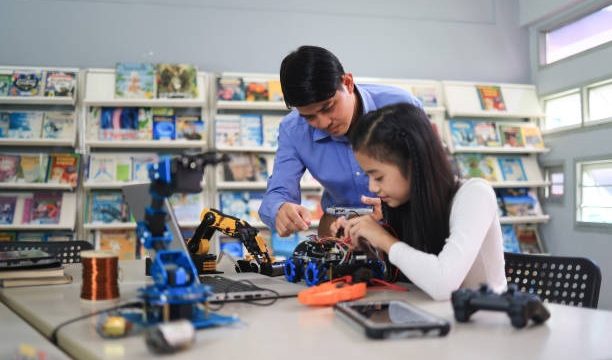
As children grow, their creative exploration can take on new forms. Engaging in science experiments, coding, or even gardening can be avenues for creativity that blend learning with exploration. Encouraging a growth mindset—where mistakes are seen as opportunities for learning—can help children embrace challenges in these areas. When they feel free to experiment and fail, they cultivate resilience and adaptability, essential traits for navigating the complexities of life.
In our fast-paced society, it’s crucial to remember that the journey of learning is just as important as the destination. Creative exploration offers children the chance to engage deeply with their interests, develop essential life skills, and discover who they are in a world filled with possibilities. Rather than focusing solely on outcomes, we can celebrate the process of creation, recognizing the value in every scribble, every story, and every imaginative idea.
Ultimately, helping children learn through creative exploration is about nurturing their natural curiosity and supporting their growth as individuals. It’s about allowing them the space to dream, to play, and to express themselves without judgment. By fostering an environment rich in opportunities for creativity, we empower our children to become confident, innovative thinkers who are prepared to take on the world.
As we reflect on the importance of creativity in childhood development, let us strive to be advocates for exploration in our homes and communities. Whether it’s through art, music, storytelling, or any other creative outlet, let’s embrace the joy of discovery and the beauty of imagination. In doing so, we not only enrich our children’s lives but also contribute to a brighter, more creative future for all.