In the world of education, the relationship between students and teachers is often regarded as one of the most vital components for fostering a positive learning environment.
This connection can significantly influence a student’s academic success and emotional well-being.
As educators continually seek innovative ways to enhance these relationships, curriculum kits have emerged as a powerful tool.
They not only provide structured learning experiences but also create opportunities for meaningful interactions between students and their teachers.
Curriculum kits are designed to offer a comprehensive approach to education, combining various learning materials, activities, and assessments into a cohesive package. They often cover specific subjects or themes, making it easier for teachers to deliver engaging lessons. However, their impact extends beyond mere content delivery. When thoughtfully designed, these kits can act as a bridge, strengthening the bonds between educators and their students.
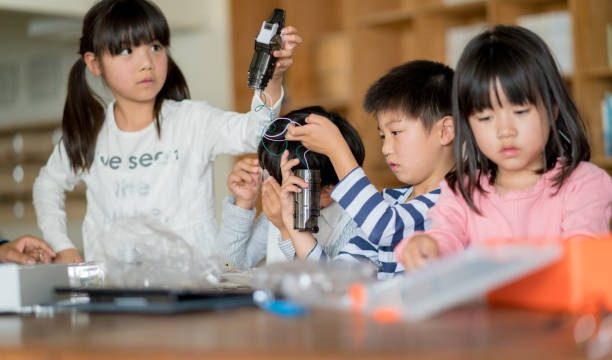
Creating a shared experience is at the heart of building connections. When teachers utilize curriculum kits, they often find themselves participating alongside their students in hands-on activities and projects. This collaborative approach allows teachers to step into the role of a learner, fostering a sense of camaraderie and shared purpose. For instance, a science curriculum kit that includes experiments encourages both students and teachers to explore the wonders of the natural world together. These shared experiences not only enhance learning but also create lasting memories.
Another essential aspect of curriculum kits is their ability to cater to diverse learning styles. Every classroom is a tapestry of unique personalities, abilities, and preferences. A well-designed kit often includes various materials that appeal to visual, auditory, and kinesthetic learners. This inclusivity allows teachers to address the individual needs of their students, demonstrating an understanding and appreciation for their differences. When students feel recognized and valued, it naturally strengthens their connection with their teacher, creating an environment where they feel safe to express themselves.
In addition to catering to different learning styles, curriculum kits can also encourage open communication. Many kits come with discussion prompts or reflection activities that invite students to share their thoughts and feelings about the subject matter. These moments of dialogue can be transformative, allowing teachers to gain insight into their students’ perspectives and experiences. When educators actively listen and engage in these conversations, it fosters trust and respect, essential elements of a strong student-teacher relationship.
Moreover, curriculum kits often encourage creativity and critical thinking. By including project-based learning activities, these kits allow students to explore topics in depth and express their understanding in unique ways. As teachers guide their students through these creative processes, they become mentors and facilitators, rather than mere dispensers of knowledge. This shift in role can deepen the connection between students and teachers, as it emphasizes collaboration and mutual respect.
In a world where technology plays an increasingly prominent role in education, many curriculum kits now incorporate digital resources. Online platforms can provide interactive lessons, videos, and games that enhance the learning experience. When teachers embrace these tools, they not only engage their students in new and exciting ways but also demonstrate adaptability and openness to change. This willingness to evolve can inspire students and strengthen their respect for their teacher, creating a more harmonious classroom atmosphere.
Building a strong connection also involves recognizing and celebrating achievements, no matter how small. Curriculum kits often include assessment tools that allow teachers to track progress and celebrate milestones with their students. This acknowledgment can be incredibly motivating for learners. When teachers take the time to highlight individual successes, it reinforces the idea that they genuinely care about their students’ growth. This positive reinforcement can create a cycle of encouragement and support, further solidifying the bond between students and teachers.
As we consider the emotional aspects of education, it’s essential to recognize the impact of social-emotional learning (SEL). Many curriculum kits now incorporate SEL components, allowing teachers to address students’ emotional needs alongside academic content. Activities that promote self-awareness, empathy, and relationship-building can foster a supportive classroom environment. When teachers prioritize emotional well-being, they demonstrate a commitment to their students that goes beyond academics, enhancing the overall connection.
Creating a classroom culture of inclusivity and respect is also crucial in strengthening student-teacher connections. Curriculum kits that emphasize cultural diversity and global awareness can help foster understanding and acceptance among students. When teachers use these kits to introduce diverse perspectives and stories, they help students appreciate the richness of various cultures. This not only broadens students’ horizons but also cultivates a sense of belonging and community within the classroom.
Ultimately, the essence of education lies in the relationships we build. Curriculum kits serve as a catalyst for these connections, offering educators the tools they need to create engaging and meaningful learning experiences. By promoting collaboration, open communication, creativity, and emotional awareness, these kits can transform the classroom into a nurturing space where students and teachers thrive together.
In a world that often feels disconnected, the importance of strong relationships in education cannot be overstated. As teachers embrace curriculum kits, they not only enrich their students’ academic journeys but also cultivate a sense of trust, respect, and camaraderie. These connections can have a ripple effect, influencing students’ lives well beyond the classroom. When we invest in these relationships, we are ultimately investing in a brighter future for our students, one built on understanding, support, and shared experiences. In this way, curriculum kits do more than teach; they unite, inspire, and empower, creating lasting bonds that resonate throughout the educational experience.