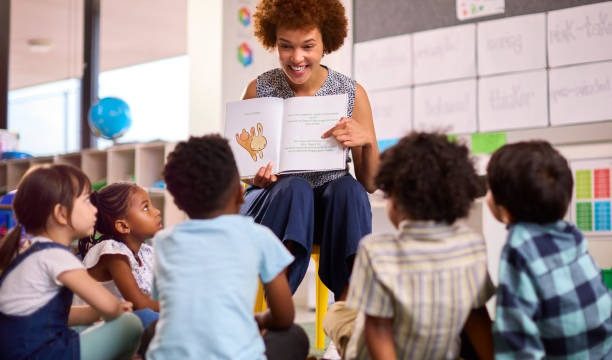
Creating a positive and inclusive school experience is essential for fostering an environment where every student feels valued, supported, and empowered to learn.
In today’s diverse classrooms, understanding the nuances of inclusivity can significantly enhance the educational journey for all students.
It’s about more than just academic achievement; it’s about nurturing a sense of belonging and community that transcends individual differences.
A welcoming atmosphere begins with the school’s culture. When educators and staff prioritize kindness and respect, it sets a tone that resonates throughout the entire school. This culture of acceptance encourages students to express themselves freely, share their unique perspectives, and develop friendships that cross social and cultural boundaries. A school that actively promotes inclusivity creates a safe space for students to explore their identities without fear of judgment.
Engaging with families is another vital aspect of building an inclusive school environment. Schools that foster strong partnerships with parents and guardians create a collaborative community where everyone feels invested in the educational process. Regular communication and opportunities for involvement—such as parent-teacher conferences, workshops, and volunteer opportunities—help bridge the gap between home and school. When families are engaged, students often feel a greater sense of support and connection, which can enhance their overall school experience.
Inclusivity also extends to the curriculum and teaching practices. A well-rounded educational experience acknowledges and respects the diverse backgrounds of all students. This can be achieved through the incorporation of multicultural perspectives in lessons, ensuring that literature, history, and science reflect a variety of voices and experiences. When students see themselves represented in their studies, it fosters a deeper connection to the material and helps them understand the world around them more comprehensively.
Creating a diverse and inclusive curriculum goes hand in hand with teaching methods that cater to different learning styles. Educators can embrace a variety of instructional strategies, such as collaborative learning, hands-on activities, and technology integration, to engage all students. This flexibility not only supports academic success but also promotes social skills and empathy as students work together and learn from one another.
Moreover, promoting social-emotional learning is an integral part of cultivating a positive school experience. Programs that focus on developing emotional intelligence, resilience, and empathy can significantly impact how students interact with their peers. By teaching students to recognize and manage their emotions, they become better equipped to navigate challenges and conflict. This emotional toolkit encourages a more compassionate and understanding school community, where students are more likely to support one another.
A small shift toward balance can also be beneficial in addressing the challenges that students may face. Fostering a balanced approach to academics and extracurricular activities is essential in preventing burnout and ensuring that students enjoy their school experience. Encouraging students to pursue interests outside of the classroom—be it sports, arts, or community service—can lead to improved well-being and a greater sense of fulfillment. Schools that promote this balance help students develop a well-rounded identity and foster connections that enhance their overall experience.
The role of peer relationships cannot be understated in creating a positive school environment. Encouraging friendships and social connections among students is crucial for building a sense of community. Initiatives such as peer mentoring programs, buddy systems, and inclusive school events can help students form bonds that transcend cliques or social divisions. By fostering an environment where students are encouraged to connect with one another, schools can cultivate a supportive network that enhances the overall atmosphere.
Moreover, addressing bullying and promoting conflict resolution is essential in maintaining a safe and inclusive environment. Schools must take a proactive stance against bullying, implementing clear policies and providing resources for students to report incidents. By teaching conflict resolution skills and encouraging open dialogue about differences, schools can empower students to stand up for themselves and others. This proactive approach not only helps prevent negative experiences but also contributes to a more harmonious school community.
Encouraging student voice is another vital component of an inclusive school experience. When students feel heard and valued, they are more likely to engage positively with their education. Schools can create avenues for student input through councils, surveys, or suggestion boxes, allowing students to share their thoughts and ideas about their learning environment. This empowerment fosters a sense of ownership over their education and encourages them to be active participants in their school community.
As we consider the broader community, it’s essential to remember that inclusivity extends beyond the walls of the school. Building connections with local organizations, cultural groups, and community leaders can enrich the educational experience for students. By partnering with these entities, schools can provide students with opportunities for real-world learning and cultural exchange. This engagement not only enhances students’ educational journey but also fosters a sense of belonging within the larger community.
Creating a positive and inclusive school experience is an ongoing journey that requires commitment from educators, families, and students alike. By embracing diversity, fostering emotional intelligence, and encouraging collaboration, schools can cultivate an environment where every student feels valued and empowered. The impact of such an environment is profound, as it not only enhances academic success but also nurtures compassionate and engaged citizens who will contribute positively to society.
In conclusion, an inclusive school experience is a gift that can shape the lives of students in profound ways. By prioritizing kindness, collaboration, and understanding, we can create educational environments that truly celebrate the uniqueness of every individual. Together, we can build a brighter future where every student is not only accepted but also cherished for who they are.