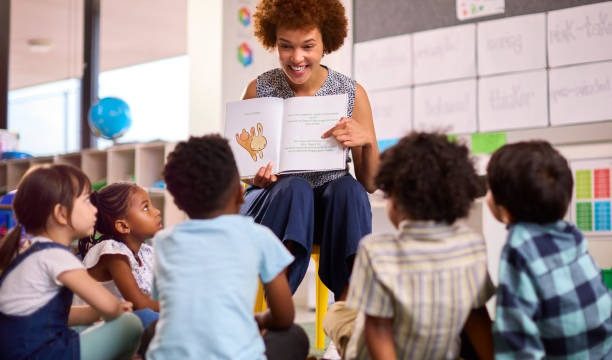
Engaging Young Minds With Creative Lessons
In today’s fast-paced world, the importance of nurturing creativity in young minds cannot be overstated.
As educators, parents, and caregivers, we have the unique opportunity to foster a love for learning that transcends the confines of traditional education.
Creative lessons not only make learning more enjoyable but also encourage critical thinking, problem-solving, and collaboration.
By incorporating imaginative approaches into our teaching methods, we can help children develop a deeper understanding of the world around them.
The beauty of creative lessons lies in their ability to resonate with children on a personal level. When lessons are infused with creativity, they become more relatable and memorable. Imagine a classroom where students are not just passive recipients of information, but active participants in their learning journey. This shift creates an environment where curiosity thrives and exploration is encouraged. By tapping into the natural curiosity of young minds, we can create a space where learning feels less like a chore and more like an adventure.
A small shift toward balance
One effective way to engage young learners is through the integration of art into various subjects. For instance, a science lesson about ecosystems could be transformed into a creative project where students design their own habitats using various art supplies. This hands-on approach allows children to express their understanding of complex concepts in a tangible way. By merging creativity with core subjects, we can help students see the interconnectedness of knowledge and inspire them to think outside the box.
Storytelling is another powerful tool in the realm of creative lessons. Children are naturally drawn to stories, and incorporating narratives into teaching can captivate their attention and enhance their comprehension. Whether through books, personal anecdotes, or even digital storytelling, the art of narrative can create a bridge between abstract concepts and real-life experiences. When students are encouraged to create their own stories, they not only practice their writing skills but also learn to convey ideas and emotions, fostering empathy and communication.
Creating a nurturing environment
Furthermore, the physical environment in which learning takes place plays a significant role in fostering creativity. A classroom filled with vibrant colors, comfortable seating, and interactive displays can inspire young minds to explore and imagine. Incorporating flexible spaces where students can collaborate or work independently allows for a more personalized learning experience. By creating a nurturing atmosphere, educators can help students feel safe and encouraged to share their thoughts and ideas without fear of judgment.
Another gentle way to engage young minds is through the use of technology. While there are many debates surrounding screen time and its impact on children, when used thoughtfully, technology can be a powerful ally in creative learning. Tools like interactive apps, virtual reality experiences, or even simple coding games can spark interest and motivate students to learn in innovative ways. By blending traditional teaching methods with modern technology, we can cater to diverse learning styles and keep students engaged.
Encouraging collaboration and teamwork
Collaboration is an essential component of creativity. When students work together on projects, they learn to appreciate different perspectives and develop essential social skills. Group activities that promote brainstorming, problem-solving, and collective decision-making can lead to richer learning experiences. Whether it’s a science fair project or a group art installation, collaborative efforts can ignite a sense of community and belonging among students.
Moreover, it’s vital to celebrate the process of learning rather than solely focusing on the final product. Encouraging children to embrace mistakes as part of their creative journey can instill resilience and a growth mindset. By praising effort, experimentation, and originality, we can help young learners understand that creativity is not just about achieving perfection but about exploring possibilities. This shift in perspective can empower them to take risks and approach challenges with an open heart.
Fostering a lifelong love for learning
As we engage young minds with creative lessons, it’s essential to remember the bigger picture: cultivating a lifelong love for learning. When children are excited about the learning process, they are more likely to continue seeking knowledge and exploring new interests throughout their lives. By providing them with the tools and opportunities to express themselves creatively, we can help them develop a sense of agency and confidence that will serve them well in the future.
In conclusion, engaging young minds with creative lessons is a beautiful journey that requires patience, open-mindedness, and a commitment to nurturing curiosity. By integrating art, storytelling, technology, and collaboration into our teaching practices, we can create a dynamic learning environment that resonates with children on multiple levels. As we guide them through this process, let’s remember to celebrate their unique perspectives and encourage their imaginative spirits. After all, it is through creativity that young minds can truly flourish, paving the way for a brighter, more innovative future.