In today’s fast-paced world, the landscape of education is evolving in ways that reflect the needs and preferences of modern students.
Gone are the days when learning was confined to textbooks and rigid classroom settings.
Now, education embraces a more holistic, flexible approach that resonates with the diverse ways in which students engage with the world around them.
This shift is not just about technology; it’s about creating an environment where students can thrive emotionally, socially, and intellectually.
A natural evolution of education
The traditional model of education often emphasizes rote memorization and standardized testing. While these methods have their place, they can sometimes stifle creativity and critical thinking. Modern learning recognizes that students are not just vessels to be filled with information. Instead, they are active participants in their own educational journeys. This perspective encourages a more interactive and personalized approach to learning, one that values curiosity and exploration.
In classrooms today, you might find students collaborating on projects, engaging in discussions that challenge their viewpoints, or utilizing technology to access a wealth of information at their fingertips. This shift reflects an understanding that students learn in different ways, and education should adapt to meet those varied needs. The focus is increasingly on fostering a love for learning rather than simply preparing for exams.
Creating connections in learning
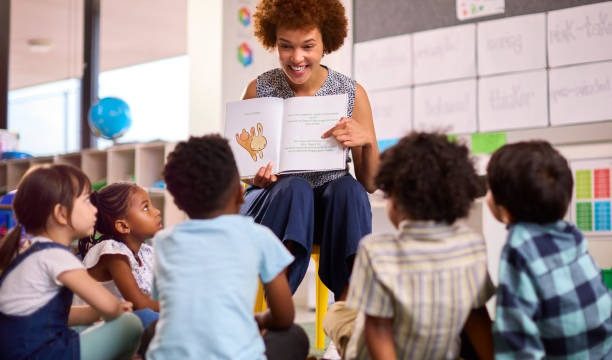
One of the most significant changes in modern education is the emphasis on building relationships. Teachers are no longer seen solely as authority figures but as mentors and guides who support students’ growth. This approach creates a nurturing environment where students feel valued and understood. When students connect with their educators, they are more likely to engage meaningfully with the material.
Moreover, peer-to-peer learning has become a vital component of modern education. Collaborative projects and group discussions cultivate a sense of community and encourage students to learn from one another. These connections not only enhance academic understanding but also foster essential life skills such as teamwork and communication. In a world that increasingly values collaboration, these skills are invaluable.
A small shift toward balance
While technology plays a crucial role in modern learning, it is essential to find a balance. Digital tools can enhance the educational experience, providing access to diverse resources and enabling innovative teaching methods. However, it’s equally important to ensure that students do not become overwhelmed by screens. Encouraging a balanced approach means integrating technology thoughtfully, allowing for moments of reflection and unplugged learning.
Educators are exploring various ways to include mindfulness practices and social-emotional learning in the classroom. These practices help students develop resilience, self-awareness, and the ability to navigate challenges. When students feel grounded and centered, they are better equipped to engage with their studies and peers.
The role of curiosity in learning
Curiosity is a powerful driver of learning. Modern education encourages students to ask questions and seek answers, promoting a culture of inquiry. When students are encouraged to explore their interests, they become more invested in their education. This intrinsic motivation often leads to deeper understanding and retention of knowledge.
Teachers can foster curiosity by creating environments that celebrate exploration and experimentation. This might involve project-based learning, where students tackle real-world problems, or opportunities for independent study that allow them to delve into subjects that ignite their passion. By nurturing curiosity, educators empower students to take ownership of their learning journey.
Embracing diverse learning styles
Every student is unique, and their learning styles reflect that individuality. Modern education recognizes the importance of accommodating different ways of learning. Some students may thrive in visual environments, while others may prefer auditory or kinesthetic approaches. By incorporating diverse teaching methods, educators can reach a broader range of learners and create a more inclusive atmosphere.
This adaptability extends beyond the classroom. Online learning platforms and resources provide students with the flexibility to learn at their own pace and in their preferred style. The rise of blended learning, which combines traditional classroom instruction with online resources, further exemplifies this shift. Students can access materials that resonate with them, ensuring that learning is both effective and enjoyable.
The importance of lifelong learning
As the world continues to change, the concept of lifelong learning becomes increasingly vital. Modern education instills in students the understanding that learning does not end with graduation. Instead, it is an ongoing journey that extends throughout life. This mindset encourages individuals to seek out new knowledge, skills, and experiences long after they leave formal education.
Cultivating a love for learning prepares students to adapt to new challenges and opportunities. Whether it’s through formal courses, workshops, or self-directed exploration, the desire to learn becomes an integral part of their identity. In a rapidly evolving job market, this adaptability is a significant asset.
Fostering a sense of belonging
In modern learning environments, creating a sense of belonging is paramount. Schools and educational institutions are increasingly recognizing the importance of inclusivity and diversity. When students feel that they belong, they are more likely to engage actively and contribute positively to their communities.
Programs that celebrate diversity, promote cultural awareness, and encourage open dialogue play a crucial role in fostering this sense of belonging. When students see themselves reflected in their educational experiences, they are more likely to thrive. This inclusive approach not only benefits individual students but also enriches the entire learning community.
In conclusion, modern learning for modern students is about much more than acquiring knowledge. It’s a holistic approach that values curiosity, relationships, and adaptability. By embracing diverse learning styles and fostering a sense of belonging, educators can create environments where students not only succeed academically but also grow into well-rounded individuals. As we move forward, it’s essential to continue nurturing these principles, ensuring that education remains a source of inspiration and empowerment for all. In this evolving landscape, the journey of learning is not just about the destination but about the rich experiences and connections made along the way.