Encouraging Success at Every Grade Level
Education is a journey, one that unfolds in various stages as children progress through their school years.
Each grade level presents unique challenges and opportunities for growth, making it essential for parents, educators, and mentors to foster an environment that encourages success.
This journey is not just about academic achievement but also about nurturing a love for learning, resilience, and self-confidence.
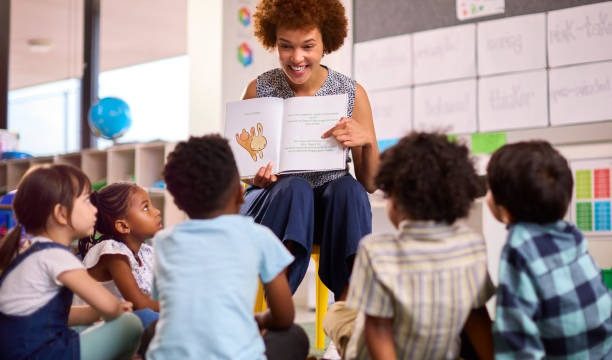
In the early years of schooling, children are like sponges, absorbing information and experiences at an astonishing rate. At this stage, creating a supportive and engaging atmosphere can lay the foundation for a lifelong love of learning. Simple activities at home, such as reading together or exploring nature, can ignite curiosity and wonder. Encouraging questions and celebrating small discoveries can help children feel valued and motivated.
As children transition into the later elementary grades, the focus often shifts toward more structured learning. This is a pivotal time when students begin to develop a sense of independence in their studies. It’s crucial to strike a balance between guiding them and allowing them the freedom to explore subjects that interest them. Parents can encourage success by helping children set achievable goals, whether it’s mastering a math concept or completing a book report. Celebrating these milestones, no matter how small, reinforces their efforts and builds confidence.
With the onset of middle school comes a significant shift in both academic expectations and social dynamics. Students may experience a whirlwind of emotions as they navigate friendships, self-identity, and the increasing complexity of their studies. During this time, it’s important to maintain open lines of communication. Engaging in regular conversations about their experiences can provide insight into their challenges and triumphs. By validating their feelings and encouraging them to express themselves, parents can help foster resilience and a sense of belonging.
As students progress to high school, the pressure often intensifies. This is a time when academic performance can feel like it defines a student’s future. It’s vital for parents and educators to remind them that success is not solely measured by grades but by personal growth and perseverance. Encouraging participation in extracurricular activities can also provide a valuable outlet for stress while helping students discover their passions. Whether it’s joining a sports team, participating in a club, or volunteering, these experiences can enrich their high school years and contribute to a well-rounded education.
Throughout these formative years, the role of educators cannot be overstated. Teachers are instrumental in creating a positive learning environment that encourages exploration and creativity. By incorporating diverse teaching methods and fostering a culture of collaboration, educators can help students feel connected and engaged. When students see their teachers as allies in their educational journey, they are more likely to take risks, ask questions, and seek help when needed.
Creating a culture of encouragement also extends beyond the classroom. Involving the community can greatly enhance a child’s educational experience. Local libraries, museums, and community organizations often offer programs and resources that can complement what students learn in school. By participating in community events or educational workshops, students can gain new perspectives and experiences that enrich their understanding of the world.
As children progress through their educational journey, it’s essential to recognize the importance of mental and emotional well-being. The pressures of school can sometimes lead to anxiety and stress. Encouraging healthy coping strategies, such as mindfulness practices, physical activity, or simply spending time outdoors, can make a significant difference. Teaching children how to manage their emotions and stress will serve them well, not just in school but throughout their lives.
A small shift toward balance can also be beneficial for families. In today’s fast-paced world, it’s easy to fall into the trap of overscheduling. Finding a rhythm that allows for both academic responsibilities and downtime is crucial. Family game nights, movie marathons, or simply enjoying a meal together can strengthen bonds and provide a sense of stability. This balance can help children develop a positive attitude toward their studies and life in general.
As graduation approaches, the focus shifts to the future. It’s important to encourage students to explore their options, whether it’s higher education, vocational training, or entering the workforce. Supporting their interests and aspirations will help them feel empowered to make informed decisions about their paths. Open discussions about their dreams and goals can instill a sense of purpose and direction.
In this ever-evolving educational landscape, it’s crucial to remember that success looks different for everyone. What matters most is fostering an environment where children feel safe to explore, make mistakes, and learn from them. Encouragement, understanding, and support can help them navigate their unique journeys, allowing them to flourish at every grade level.
As we celebrate the milestones along the way, let’s also embrace the beauty of the learning process itself. Education is not just about reaching a destination; it’s about the experiences, relationships, and growth that occur along the journey. By cultivating a spirit of encouragement, we can empower the next generation to face challenges with confidence and enthusiasm, ensuring they are well-prepared for whatever lies ahead.
In this shared journey of education, let us nurture curiosity, resilience, and a passion for learning that lasts a lifetime. By doing so, we not only encourage success at every grade level but also help shape compassionate and capable individuals ready to contribute to the world.