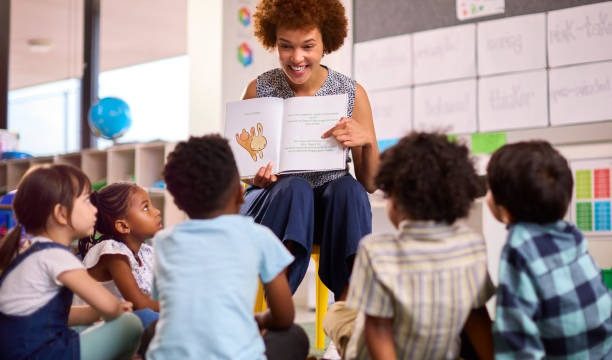
The journey of education begins at a tender age, often laying the foundation for a lifetime of learning and growth.
Primary education is not just about acquiring knowledge; it’s about nurturing happy, curious learners who are excited to explore the world around them.
As we delve into the essence of primary education, we find that its true purpose transcends textbooks and exams, focusing instead on cultivating joy and enthusiasm for learning.
Creating a joyful learning environment is essential. It begins in the classroom and extends into the home, where the support of family plays a crucial role. Children thrive in spaces that encourage curiosity and creativity. When educators and parents collaborate to foster a positive atmosphere, children feel more comfortable expressing themselves, asking questions, and pursuing their interests. This nurturing environment helps to build their self-esteem and confidence, essential traits for lifelong learners.
One of the key aspects of primary education is the emphasis on play. Play is not merely a break from learning; it is an integral part of the learning process. Through play, children explore their emotions, develop social skills, and engage in problem-solving. Activities like building blocks, role-playing, or even simple games can teach children about cooperation, patience, and resilience. These experiences are valuable, as they provide lessons that cannot be found in traditional academic settings.
Incorporating creativity into the curriculum is another important factor in ensuring that children remain happy learners. Subjects like art, music, and drama allow children to express themselves in unique ways. When children are encouraged to think outside the box and explore their creative talents, they develop a sense of ownership over their learning. This sense of ownership can lead to a deeper understanding of the material and a greater enthusiasm for school.
A gentle shift toward balance is also vital. While it’s important to cover essential subjects like math and reading, it’s equally crucial to recognize the importance of emotional and social learning. Integrating lessons about empathy, kindness, and cooperation into the daily routine can help children develop into well-rounded individuals. When children learn to understand and manage their emotions, they are better equipped to handle the challenges that come their way, both in and out of the classroom.
The role of teachers in primary education cannot be understated. A dedicated teacher has the power to inspire and motivate young minds. When teachers approach their work with passion and enthusiasm, it naturally resonates with their students. Building strong relationships between teachers and students creates a sense of safety and trust, allowing children to take risks and explore new ideas. This connection can transform a classroom into a vibrant community where learning is a shared adventure.
Parental involvement is equally significant. When parents actively engage in their child’s education, it reinforces the value of learning. Simple acts such as reading together at bedtime, discussing the day’s events, or exploring educational outings can strengthen the bond between parent and child while emphasizing the importance of education. Encouraging a love for learning at home helps children see education as a lifelong journey rather than a series of tasks to complete.
As we consider the broader context of primary education, we must also acknowledge the importance of inclusivity. Every child deserves the opportunity to learn in an environment that respects and values their unique backgrounds and abilities. Embracing diversity in the classroom enriches the learning experience for all students. When children are exposed to different perspectives and cultures, they develop a greater understanding of the world around them, fostering empathy and respect for others.
In today’s fast-paced world, it’s easy for both parents and educators to feel overwhelmed by the pressures of academic achievement. However, it’s essential to remember that the ultimate goal of primary education is not just to produce high test scores, but to cultivate happy, well-adjusted individuals. Finding a balance between academic rigor and emotional well-being is crucial for fostering a love of learning.
It’s also important to recognize that every child learns at their own pace. Embracing this individuality allows for a more personalized approach to education, where children feel valued for their unique contributions. Differentiated instruction, where teachers tailor their teaching methods to accommodate various learning styles, can help each child thrive in their own way. This approach not only nurtures academic success but also fosters a sense of belonging and self-worth.
As we reflect on the essence of primary education, we find that it is ultimately about creating a joyful, supportive environment where children can thrive. By prioritizing emotional well-being, creativity, and inclusivity, we can cultivate happy learners who are not only prepared for academic challenges but also equipped to navigate the complexities of life.
In conclusion, the journey of primary education is one of profound importance, shaping the future of our children. By focusing on joy, creativity, and emotional intelligence, we can nurture a generation of learners who are not just knowledgeable but also compassionate, resilient, and eager to make a positive impact on the world. Let us embrace the beauty of this journey, supporting our children as they discover the joy of learning and the excitement of exploring the world around them.