In the bustling world of education, the relationship between teachers and students plays a crucial role in shaping the learning experience.
A strong connection can foster an environment where students feel supported, inspired, and motivated to learn.
This article explores various frameworks that can help educators build and nurture these vital relationships, creating a harmonious classroom atmosphere.
A gentle approach to understanding
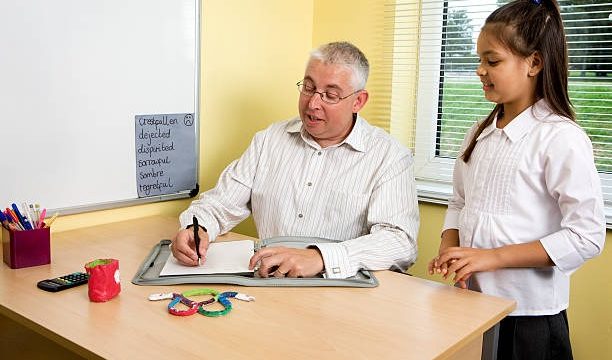
To begin with, it’s essential to recognize that every student is unique, bringing their own backgrounds, personalities, and experiences into the classroom. Understanding these differences can be the first step toward building a strong relationship. Taking the time to learn about students’ interests, strengths, and challenges can create a more personalized learning environment. This can be as simple as engaging in casual conversations or incorporating their interests into lessons. When students feel seen and understood, they are more likely to engage actively in their education.
Creating a safe space for expression
Another important element of fostering strong teacher-student relationships is the creation of a safe and welcoming classroom environment. Students need to feel comfortable expressing their thoughts and feelings without fear of judgment. This can be achieved by encouraging open dialogue and actively listening to students’ concerns. When teachers make it clear that they value each student’s voice, it promotes a sense of belonging.
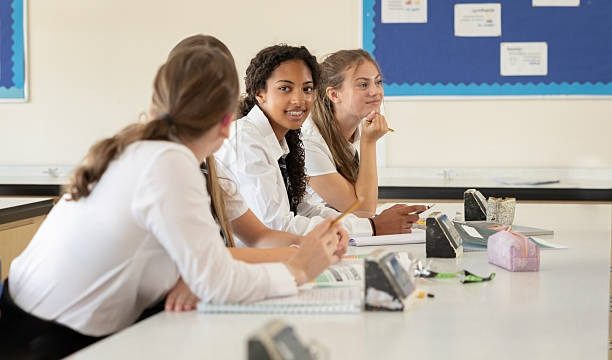
In addition, establishing classroom norms that prioritize respect and empathy can help cultivate a supportive atmosphere. Encouraging students to share their ideas and experiences can lead to deeper connections among peers as well. When students collaborate and communicate effectively, it reinforces the bond between them and the teacher, creating a sense of community.
Fostering trust through consistency
Trust is the cornerstone of any strong relationship, and it is no different in the classroom. Teachers can build trust with their students by being consistent in their actions and expectations. This means following through on promises, maintaining a fair approach to discipline, and being transparent in communication. When students know what to expect from their teacher, they feel more secure and are more likely to take academic risks.
Moreover, demonstrating vulnerability can also help build trust. Sharing personal stories or experiences can humanize the teacher, allowing students to see them as relatable figures rather than authority figures. When teachers are open about their own challenges and successes, it can inspire students to share their own journeys, further strengthening the relationship.
Encouraging growth through feedback
Feedback is a crucial aspect of the learning process, and how it is delivered can significantly impact the teacher-student relationship. Providing constructive feedback in a supportive manner can help students feel valued and understood. Rather than focusing solely on what needs improvement, it’s vital to highlight strengths and progress as well.
When teachers approach feedback as a collaborative process, it can transform the dynamic in the classroom. Encouraging students to reflect on their work and set personal goals fosters a growth mindset. This not only empowers students but also reinforces the idea that the teacher is there to support them in their journey.
Emphasizing collaboration and partnership
In the pursuit of building strong relationships, collaboration between teachers and students is essential. When students are involved in the decision-making process regarding their learning, they feel a sense of ownership and responsibility. This can be as simple as allowing them to choose project topics or having a say in classroom rules.
Collaboration can also extend beyond the classroom. Engaging with families and the community can enhance the support system for students. When teachers communicate with parents and guardians, it creates a bridge between home and school, reinforcing the importance of education. This partnership can provide students with a more comprehensive support network, further enriching their learning experience.
A small shift toward balance
Finding a balance between authority and approachability is vital in nurturing teacher-student relationships. While teachers must maintain a level of professionalism, being approachable and relatable can help students feel comfortable seeking help or guidance. This balance can be achieved through body language, tone of voice, and the way teachers interact with students.
Creating moments of humor and light-heartedness can also help break down barriers. When teachers share a laugh with their students, it fosters a sense of camaraderie. These moments can make the classroom feel less intimidating and more inviting, allowing students to thrive academically and socially.
Nurturing emotional intelligence
Emotional intelligence is a critical component in building strong relationships. Teachers who model empathy, self-awareness, and emotional regulation can inspire their students to develop these skills as well. Encouraging students to express their emotions and recognize the feelings of others promotes a culture of empathy in the classroom.
Incorporating social-emotional learning into the curriculum can be a powerful tool for enhancing emotional intelligence. Activities that focus on self-reflection, conflict resolution, and teamwork can equip students with the skills they need to navigate their relationships both inside and outside the classroom.
Celebrating diversity and inclusion
In today’s diverse educational landscape, it is essential to celebrate and embrace the differences that each student brings. Acknowledging and respecting cultural backgrounds can create a more inclusive environment. Teachers can incorporate diverse perspectives into their lessons and celebrate various cultural events throughout the year.
When students see their identities reflected in the curriculum, it fosters a sense of pride and belonging. This inclusion strengthens the bond between teachers and students, as it shows that the educator values and respects their uniqueness.
In conclusion, building strong teacher-student relationships is a multifaceted endeavor that requires patience, empathy, and commitment. By understanding students as individuals, creating a safe space for expression, fostering trust, and encouraging collaboration, educators can cultivate an environment where students thrive emotionally and academically. As we continue to navigate the complexities of education, let us remember that the heart of learning lies in the relationships we build.