In the vibrant world of education, effective communication in the classroom is like the gentle heartbeat that keeps everything in rhythm.
It fosters connections, nurtures understanding, and creates an environment where learning flourishes.
For educators, parents, and students alike, embracing frameworks for clear communication can transform the classroom experience into something truly enriching.
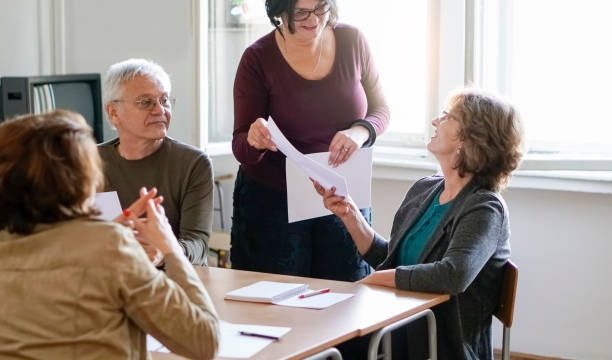
Creating a welcoming atmosphere is foundational to effective communication. When students feel safe and respected, they are more likely to engage, ask questions, and express themselves. One way to cultivate this atmosphere is through the practice of active listening. This means more than just hearing words; it involves being fully present and attentive to what is being said. Educators can model active listening by maintaining eye contact, nodding in understanding, and reflecting back what students share. This not only validates students’ thoughts and feelings but also encourages them to participate more freely.
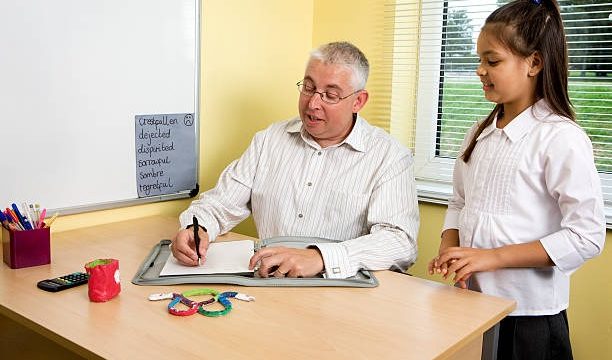
Another vital aspect of communication is clarity. In a classroom setting, where diverse learning styles and backgrounds converge, clear instruction is essential. Educators can enhance clarity by using straightforward language and providing examples that resonate with students’ experiences. Moreover, visual aids can play a significant role in bridging any communication gaps. Charts, diagrams, and videos can help illustrate complex ideas, making them more accessible and easier to grasp.
Emphasizing the importance of feedback is another cornerstone of effective communication. Constructive feedback nurtures a growth mindset, allowing students to understand their progress and areas for improvement. Educators can create a culture of feedback by encouraging peer reviews and self-assessments. This practice not only supports individual learning but also fosters collaboration and mutual respect among students. When feedback is framed positively, it can inspire students to embrace challenges and take ownership of their learning journey.
A small shift toward balance can also enhance classroom communication. While it’s important for educators to lead discussions, allowing students to take the reins at times can be incredibly beneficial. This creates opportunities for student-led discussions, where peers can share perspectives and learn from one another. By fostering a sense of ownership over their learning, students are more likely to engage deeply with the material and develop critical thinking skills.
Incorporating technology into communication strategies is another avenue worth exploring. Tools such as educational apps, online discussion boards, and virtual classrooms can facilitate communication beyond traditional face-to-face interactions. These platforms offer students various ways to express their thoughts and collaborate with peers, catering to different comfort levels and learning preferences. However, it’s important to strike a balance, ensuring that technology enhances rather than replaces meaningful human interactions.
Building rapport with students is essential for effective communication. When educators take the time to understand their students as individuals, it creates a supportive environment that encourages open dialogue. Simple gestures, such as remembering a student’s interests or checking in on their well-being, can go a long way in establishing trust. When students feel valued and understood, they are more likely to engage in discussions and share their ideas without hesitation.
Encouraging emotional expression is another important element of effective communication. Emotions play a significant role in the learning process, influencing motivation and engagement. Educators can create opportunities for students to express their feelings, whether through journaling, art, or group discussions. Acknowledging emotions helps students process their experiences and can lead to deeper connections with the material being studied.
Creating a classroom culture that values diversity in communication styles is also essential. Every student brings a unique perspective shaped by their background, experiences, and personality. Educators can celebrate this diversity by incorporating varied teaching methods and allowing students to express themselves in ways that feel comfortable to them. Whether through verbal discussions, written reflections, or creative projects, honoring different communication styles enriches the learning experience for everyone.
As we think about effective classroom communication, we cannot overlook the role of parents and caregivers. They are key partners in the educational journey, and fostering open lines of communication with them is crucial. Regular updates about classroom activities, student progress, and opportunities for involvement can help parents feel connected and engaged. This partnership not only supports students but also reinforces the importance of a collaborative learning environment.
Reflecting on the journey of communication in the classroom, it becomes clear that it is a continuous process of growth. Educators and students alike can learn from each interaction, adapting and evolving their communication styles to better suit their needs. Embracing this journey with patience and openness allows for richer connections and a more meaningful educational experience.
In conclusion, frameworks for effective classroom communication are not just strategies; they are pathways to connection, understanding, and growth. By fostering active listening, clarity, feedback, and emotional expression, educators can create an environment where every voice is heard. As we navigate the complexities of communication, let us remember that at its heart lies a shared desire for connection and understanding. Through this lens, we can transform classrooms into spaces where learning thrives and relationships flourish, nurturing the next generation of thinkers, creators, and leaders.