In today’s educational landscape, collaboration among students is more essential than ever.
The ability to work together not only enhances learning experiences but also prepares students for a world that increasingly values teamwork and collective problem-solving.
As educators and institutions seek to foster this spirit of collaboration, several frameworks have emerged that serve as guiding principles for cultivating a collaborative environment.
A gentle shift toward connection
At the heart of effective collaboration is the concept of connection. When students feel connected to one another, they are more likely to engage openly and share ideas. One framework that encourages this connection is the Community of Inquiry model. This approach emphasizes the importance of social presence, cognitive presence, and teaching presence in online and face-to-face learning environments. By fostering a sense of belonging, students are encouraged to express their thoughts and collaborate more freely.
The Community of Inquiry framework invites educators to create spaces where students feel safe to share their perspectives. This can be achieved through structured discussions, group projects, and peer feedback sessions. When students know their voices are valued, they become more invested in the collaborative process. This framework not only enhances academic outcomes but also nurtures social skills that are vital for future success.
Creating a nurturing environment
Another framework that supports student collaboration is the Collaborative Learning model. This approach is built on the idea that learning is inherently a social activity. It encourages students to work together to solve problems, complete tasks, and explore concepts. In a collaborative learning environment, students are often grouped according to their strengths and interests, allowing for a more personalized learning experience.
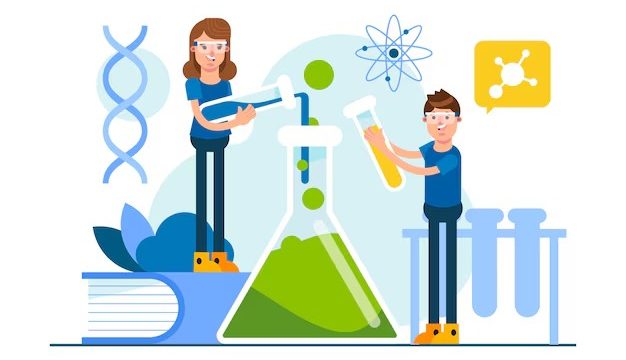
In practice, this means that educators can design projects that require teamwork. For instance, a science project could involve students working in groups to design an experiment, analyze data, and present their findings. Such activities not only deepen their understanding of the subject matter but also teach them valuable skills in communication, negotiation, and conflict resolution. The Collaborative Learning model emphasizes that learning is not just about individual achievement but about the collective growth of the group.
Nurturing diversity and inclusion
As we explore the frameworks that improve student collaboration, it’s essential to acknowledge the role of diversity and inclusion. The Universal Design for Learning (UDL) framework promotes an inclusive approach to teaching and learning that accommodates individual differences. By recognizing that each student brings unique strengths and perspectives, UDL encourages collaboration that celebrates diversity.
In a UDL-informed classroom, educators design learning experiences that are flexible and adaptable. This might involve offering multiple means of engagement, representation, and expression. For example, students could choose how they want to demonstrate their understanding of a topic—through a presentation, a written report, or a creative project. Such flexibility not only empowers students but also fosters an environment where collaboration thrives. When students feel their individual contributions are valued, they are more likely to engage with their peers and collaborate effectively.
Building trust through shared experiences
The Trust-Based Relational Intervention (TBRI) framework highlights the importance of building trust among students as a foundation for collaboration. This approach emphasizes the need for positive relationships and mutual respect. When students trust one another, they are more likely to take risks, share ideas, and support one another in the learning process.
Creating opportunities for shared experiences can help foster this trust. Activities such as team-building exercises, collaborative problem-solving challenges, or even informal group discussions can strengthen relationships among students. By engaging in these shared experiences, students learn to rely on one another, creating a supportive network that enhances collaboration. The TBRI framework reminds us that at the core of effective collaboration is a genuine connection built on trust.
Embracing technology as a bridge
In our increasingly digital world, technology can play a vital role in enhancing student collaboration. The SAMR model (Substitution, Augmentation, Modification, Redefinition) encourages educators to integrate technology in ways that transform learning experiences. By utilizing digital tools, students can collaborate in innovative ways that go beyond traditional classroom boundaries.
For instance, online platforms allow students to work together on projects in real time, regardless of their physical location. They can share documents, brainstorm ideas, and provide feedback seamlessly. This flexibility not only makes collaboration more accessible but also prepares students for future work environments that rely heavily on technology. The SAMR model serves as a reminder that embracing technology can enrich the collaborative experience and foster a sense of global connectivity among students.
The journey toward collaboration
As we explore these frameworks that improve student collaboration, it becomes clear that the journey is both rewarding and transformative. By fostering connection, nurturing diversity, building trust, and integrating technology, educators can create environments where collaboration flourishes.
Ultimately, the goal is to cultivate a culture of collaboration that not only enhances academic achievement but also prepares students for the collaborative demands of the future. As we continue to navigate the ever-changing landscape of education, let us embrace these frameworks as tools that empower students to work together, learn from one another, and grow as individuals.
In this journey, every small step toward enhancing collaboration is a step toward creating a more connected, inclusive, and supportive learning community. As educators and students alike engage with these frameworks, we can look forward to a future where collaboration is not just an educational strategy but a way of life.