In the vibrant tapestry of our classrooms, each thread represents a unique culture, a rich history, and a distinct perspective.
As educators, we are tasked not just with imparting knowledge but also with creating an environment where every student feels seen, valued, and understood.
This is where culturally responsive instruction comes into play, a transformative approach that honors diversity and fosters inclusivity.
Understanding culturally responsive instruction begins with recognizing the diverse backgrounds of our students. Each child brings a wealth of experiences shaped by their culture, language, and community. By acknowledging these differences, we can create a learning environment that not only enhances academic achievement but also nurtures social and emotional growth. The goal is to develop a classroom culture that is reflective of, and responsive to, the rich diversity of its inhabitants.
A gentle shift toward inclusivity can begin with the curriculum itself. Integrating diverse perspectives into lesson plans can illuminate the rich contributions of various cultures to the subject matter. This might mean including literature by authors from different backgrounds, discussing historical events from multiple viewpoints, or exploring scientific discoveries made by individuals from varied cultures. Such inclusivity not only enriches the learning experience but also helps students relate to the material on a personal level, fostering a deeper understanding.
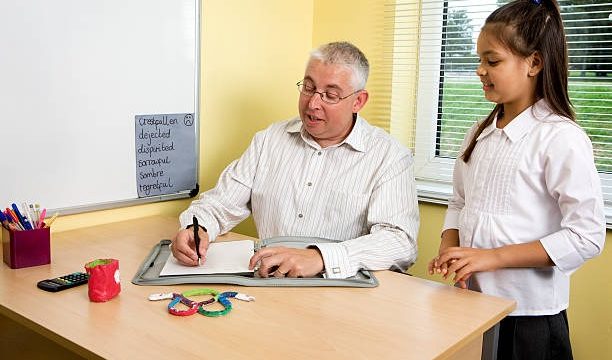
Building relationships with students is another cornerstone of culturally responsive teaching. Taking the time to learn about your students—who they are, what they love, and where they come from—creates a sense of belonging. This relationship-building can start with simple gestures, such as asking students about their favorite books, traditions, or family stories. When students feel that their identities are acknowledged and appreciated, they are more likely to engage actively in their learning journey.
Creating a welcoming classroom space also contributes to a culturally responsive environment. Consider how classroom decor can reflect the diversity of the students. Artwork, posters, and books that represent various cultures can make students feel at home and valued. Simple changes, like allowing students to contribute their own cultural artifacts or stories, can further enhance this sense of belonging. When students see themselves represented in their learning environment, it fosters pride in their identity and encourages them to share their perspectives.
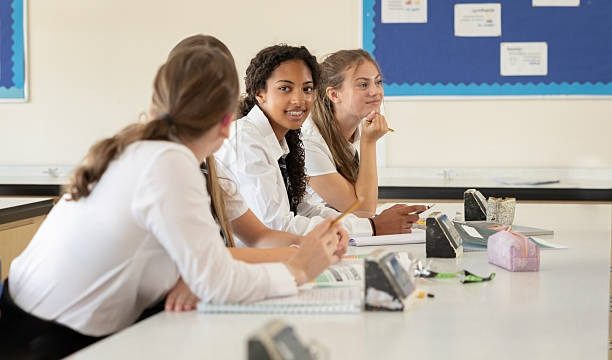
The role of collaboration in culturally responsive instruction cannot be overstated. Encouraging students to work together in diverse groups promotes understanding and respect for one another’s backgrounds. Group projects can be designed to allow students to share their cultural experiences, fostering dialogue and empathy. By engaging in collaborative learning, students not only enhance their academic skills but also develop important social skills that will serve them throughout their lives.
Assessment practices should also reflect a culturally responsive approach. Traditional testing methods may not accurately capture the abilities of every student, particularly those from different cultural backgrounds. Educators can explore alternative assessment strategies, such as portfolios, presentations, or self-assessments, which allow students to showcase their learning in ways that resonate with their cultural identities. This approach not only provides a more comprehensive view of a student’s understanding but also empowers them to take ownership of their learning.
Professional development for educators plays a crucial role in fostering culturally responsive instruction. Teachers can benefit from training that focuses on cultural competence, anti-bias education, and inclusive teaching strategies. Such professional growth not only enhances teaching practices but also encourages teachers to reflect on their own cultural biases and assumptions. This ongoing learning journey is essential for creating a more equitable educational landscape.
As we navigate the complexities of culturally responsive teaching, it’s important to remember that this is not a one-time effort but a continuous process. Cultivating an inclusive classroom takes time, patience, and a commitment to growth. Educators can start small, implementing one new strategy or practice at a time, and gradually expand their efforts as they become more comfortable with culturally responsive methods.
Incorporating families into the educational process is another vital aspect of culturally responsive instruction. Building relationships with students’ families can provide deeper insights into their cultural backgrounds and values. Schools can host events that celebrate cultural diversity, inviting families to share their traditions and stories. Such engagement not only strengthens the home-school connection but also enriches the classroom experience, creating a community where everyone feels invested in each other’s success.
Ultimately, the journey toward culturally responsive instruction is about fostering an environment where all students can thrive. It is about embracing the richness of diversity and recognizing that each student brings something valuable to the table. As we strive to create more inclusive classrooms, we are not just enhancing educational outcomes; we are also nurturing a generation that understands the importance of empathy, respect, and collaboration.
In this ever-evolving world, the ability to appreciate and engage with diverse perspectives is more essential than ever. By embracing culturally responsive teaching frameworks, we equip our students with the skills they need to navigate a global society. It is a commitment to not just educate, but to empower, uplift, and inspire the hearts and minds of every child in our care.
As we reflect on our practices and strive for growth, let’s remember that the journey of culturally responsive instruction is one of love and understanding. It is about creating spaces where every student feels valued, heard, and ready to take on the world. Together, we can make a difference, one culturally rich classroom at a time.