High-Intensity Interval Training, commonly known as HIIT, has become a popular choice for people seeking effective and time-efficient workouts.
This style of training alternates short bursts of intense activity with periods of rest or lighter movement, delivering benefits in cardiovascular fitness, strength, and endurance.
While HIIT is known for its intensity, it can also be approached in ways that are enjoyable, flexible, and engaging. Exploring new ways to enjoy HIIT every week not only keeps workouts fresh but also encourages consistency, motivation, and a positive relationship with physical activity.
One of the simplest ways to refresh a HIIT routine is to vary the exercises. While traditional moves like squats, lunges, push-ups, and jumping jacks are highly effective, changing the order or incorporating new movements can make the session feel different each week. Adding dynamic variations such as skater hops, side lunges, or mountain climbers with twists challenges the body in new ways. These variations keep the muscles engaged, prevent boredom, and make the workout feel playful and stimulating.
Interval structure can also be adapted to introduce variety. Standard HIIT sessions often alternate equal periods of effort and recovery, but experimenting with different work-to-rest ratios can create a new challenge. For example, one week might involve twenty seconds of high-intensity activity followed by forty seconds of rest, while the next week could feature thirty seconds of effort with only fifteen seconds of recovery. Changing intervals keeps the body guessing, supports cardiovascular improvement, and keeps the mind engaged by adding a sense of unpredictability.
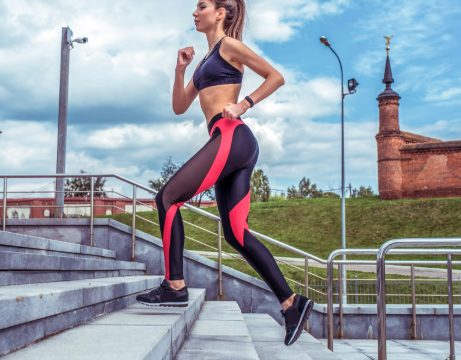
The setting of a HIIT session can greatly influence enjoyment and motivation. Moving workouts outdoors, whether in a park, backyard, or on a trail, introduces natural elements that enhance the experience. Fresh air, sunlight, and changing scenery make movement feel more like an adventure than a chore. Outdoor HIIT also allows for creative adaptations, such as sprinting up a hill, using park benches for step-ups or tricep dips, or incorporating agility drills on varied terrain. Changing the environment weekly can transform a familiar routine into something new and invigorating.
Music and rhythm are powerful tools for enhancing HIIT enjoyment. Creating playlists with upbeat songs or timing intervals to match the beat can make workouts feel lively and energetic. Music can help sustain effort during high-intensity intervals and provide a sense of flow during recovery periods. Rotating playlists weekly or experimenting with different genres adds novelty and can make each session feel like a fresh experience, encouraging participants to look forward to workouts rather than seeing them as a task.
Incorporating props or household items adds an element of creativity to HIIT sessions. Resistance bands, small dumbbells, stability balls, or even a sturdy chair can introduce new challenges and variation. For example, a resistance band can increase the difficulty of squats or glute bridges, while a chair can support tricep dips or step-ups. These simple additions allow participants to modify intensity, target different muscle groups, and keep workouts dynamic. Weekly changes in equipment or setup help maintain engagement and prevent routines from feeling repetitive.
HIIT circuits with different focuses can also bring excitement to weekly sessions. One week might center on full-body conditioning, while the next could emphasize core strength or lower-body power. Themed circuits allow participants to explore different fitness goals while keeping the structure familiar and easy to follow. Targeted sessions not only improve balanced fitness but also provide a sense of purpose, helping individuals track progress and feel a sense of achievement as they complete each circuit.
Pairing HIIT with active recovery activities is another way to enhance enjoyment. Recovery periods during intervals can include light walking, gentle marching in place, or stretching. Incorporating mindful breathing or simple yoga poses during recovery can add relaxation, improve flexibility, and provide a mental reset between intense bursts. Weekly changes to recovery strategies can introduce novelty while emphasizing that HIIT is not just about exertion but also about balance and wellness.
Social engagement adds a fun and motivating element to HIIT sessions. Exercising with a friend, participating in virtual classes, or joining a small group can make workouts more interactive and enjoyable. Friendly challenges, shared accomplishments, or synchronized intervals create a sense of connection and accountability. Social interaction makes HIIT feel less like a solitary task and more like a shared experience, encouraging individuals to participate regularly and explore new exercises or approaches suggested by others.
Tracking progress creatively can also enhance enjoyment. Keeping a simple journal of completed sessions, total rounds, or new exercises tried allows participants to see improvements over time. Weekly mini-goals, such as adding an extra round, increasing repetitions, or mastering a new variation, provide tangible achievements to celebrate. Recognizing these small successes motivates continued participation and makes the process of improvement feel rewarding rather than overwhelming.
Incorporating playful or unconventional movements can bring a fresh perspective to HIIT. Dance-inspired exercises, agility drills, or bodyweight patterns that mimic everyday actions can make sessions more engaging. These movements challenge coordination, balance, and strength while adding an element of fun. Weekly experimentation with playful exercises encourages curiosity, creativity, and excitement, turning HIIT into an activity that participants look forward to rather than simply complete out of obligation.
Mindfulness during HIIT is an additional layer that enhances enjoyment. Focusing on posture, alignment, and breathing ensures exercises are performed safely and effectively. Mindful attention also helps participants connect with their bodies, noticing improvements in strength, endurance, and flexibility. Integrating mindfulness into weekly sessions adds mental clarity and encourages a positive approach to fitness, making movement feel more intentional and fulfilling.
The flexibility of HIIT makes it easy to integrate into a variety of schedules and energy levels. Short, high-intensity sessions can be performed on busy days, while longer or more complex circuits can be reserved for days with more time. Experimenting with session length, exercise combinations, or interval ratios each week ensures that workouts remain adaptable and suited to individual needs. This flexibility reduces pressure and supports consistency, a key factor in developing an active lifestyle.
In conclusion, finding new ways to enjoy HIIT every week is essential for maintaining motivation, engagement, and long-term success. By varying exercises, interval structures, recovery strategies, and environments, participants can keep sessions dynamic and stimulating. Music, props, themed circuits, playful movements, and social interaction add layers of enjoyment, while mindfulness, progress tracking, and flexibility ensure workouts remain effective and sustainable. Exploring fresh HIIT approaches encourages consistency, fosters a positive relationship with movement, and supports a balanced, active lifestyle. With creativity, adaptability, and attention to personal goals, HIIT can become a weekly source of energy, challenge, and enjoyment that strengthens both the body and mind.