In the vibrant world of kindergarten, every day is an adventure filled with opportunities for young minds to explore, learn, and grow.
The classroom is not just a place for academic learning; it is a nurturing environment where creativity, social skills, and emotional intelligence blossom.
Engaging activities play a vital role in this journey, helping children develop a love for learning while having fun. Here are some delightful activities that can transform a typical day into an extraordinary experience.
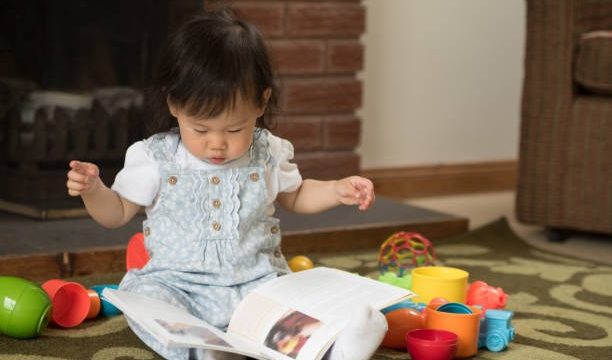
One of the most captivating ways to spark curiosity in young learners is through storytelling. Children have an innate love for stories, and this can be harnessed to enhance their vocabulary and comprehension skills. A cozy reading corner, adorned with colorful cushions, can become a magical space where children gather to listen to tales of adventure, friendship, and discovery. Teachers or parents can read aloud, using different voices and expressions to bring characters to life. Encouraging children to share their own stories or draw illustrations based on what they hear can further ignite their imagination. Storytelling nurtures language skills while fostering a sense of community and connection among the children.
Incorporating movement into learning is another wonderful way to keep young learners engaged. Activities like dance, yoga, or simple stretching exercises can be both fun and beneficial. Movement helps children release pent-up energy, making them more focused and ready to learn. A dance party can be a fantastic way to introduce concepts like rhythm, counting, or even storytelling through movement. Alternatively, yoga can teach mindfulness and body awareness, allowing children to connect with themselves and their surroundings. These activities not only promote physical health but also enhance emotional well-being, providing children with tools for self-regulation.
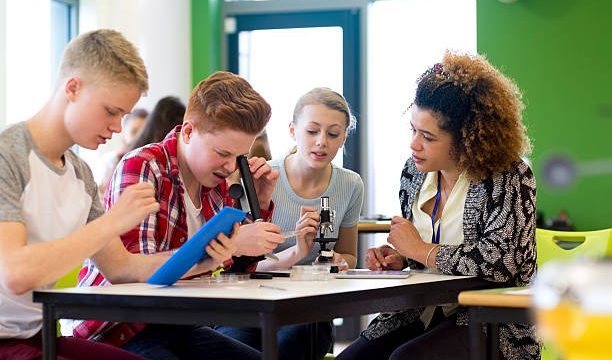
Exploring nature can be a gateway to countless learning experiences. Organizing nature walks where children can observe plants, insects, and animals encourages curiosity about the world around them. Bringing along magnifying glasses can turn the outing into a mini science expedition, as children examine leaves, rocks, and tiny creatures up close. After the walk, children can engage in art projects inspired by their discoveries, creating leaf rubbings or painting scenes from their adventures. Nature-based activities foster a sense of wonder and appreciation for the environment, instilling values of stewardship and care for the planet.
Sensory play is another engaging aspect of kindergarten learning that can be both entertaining and educational. Activities involving sand, water, or playdough stimulate children’s senses and encourage exploration. Setting up a sensory bin filled with rice, beans, or pasta allows children to dig, pour, and sort, developing fine motor skills in the process. These hands-on experiences support cognitive development and can also be a calming activity for children who may feel overwhelmed. Incorporating elements like measuring cups or scoops can introduce basic math concepts, blending play with learning seamlessly.
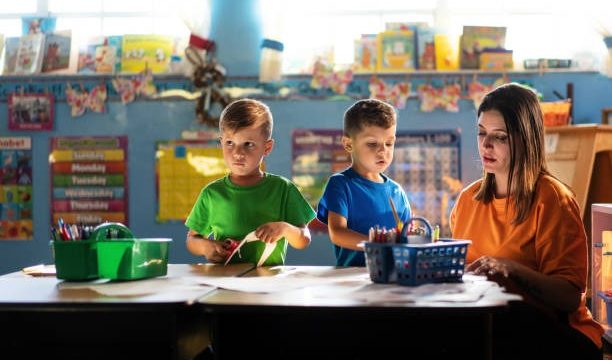
Art is a powerful medium for self-expression and creativity. Providing children with various art supplies, such as paints, crayons, and collage materials, allows them to explore their imaginations freely. Art projects can be tied to themes being studied in class, such as creating a mural about the seasons or crafting animals from recycled materials. Engaging in these creative activities not only enhances fine motor skills but also fosters emotional expression and confidence. Children learn to appreciate their unique perspectives and develop an understanding of different cultures and ideas through art.
Music is another universal language that resonates with young learners. Integrating music into the classroom can enhance learning and create a joyful atmosphere. Singing songs related to lessons, such as counting songs or alphabet tunes, can make memorization enjoyable. Instruments like tambourines or maracas can be introduced, allowing children to explore rhythm and sound. Music also provides an excellent opportunity for movement, as children can dance or march to the beat. This multisensory approach helps solidify concepts while creating lasting memories.
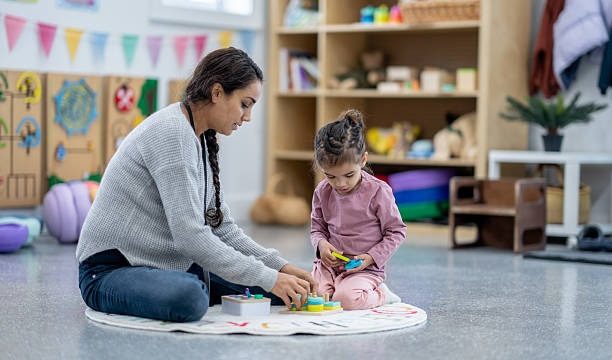
Building social skills is a crucial aspect of kindergarten learning, and cooperative games can be a delightful way to achieve this. Activities that require teamwork, such as building a tower with blocks or completing a puzzle together, encourage communication and collaboration. These games help children learn how to share, take turns, and resolve conflicts in a supportive environment. Celebrating small victories as a group fosters a sense of belonging and reinforces the importance of working together. These experiences lay the foundation for strong interpersonal skills that will serve them well throughout their lives.
As children grow, so does their need for emotional literacy. Incorporating activities that promote emotional awareness can be incredibly beneficial. Simple practices like discussing feelings through storytelling or using emotion cards can help children identify and express their emotions. Role-playing scenarios can also provide a safe space for children to navigate various social situations, enhancing their empathy and understanding of others. By nurturing emotional intelligence, we empower children to build healthy relationships and cope with challenges in a constructive way.
In the world of kindergarten, learning is a continuous journey filled with joy, exploration, and connection. By incorporating diverse activities that engage the senses, promote creativity, and foster social skills, we create a rich tapestry of experiences that support holistic development. These moments of play and discovery not only prepare children for academic success but also instill a lifelong love for learning. As we guide them through this exciting chapter, let us remember that the most valuable gift we can give them is the joy of exploration and the freedom to learn in their own unique way.