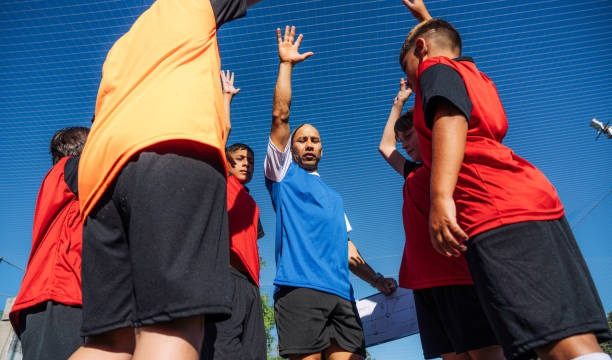
In today’s fast-paced world, where distractions abound and the pressures of academic life can feel overwhelming, the role of sports clubs in schools has gained increasing recognition.
Beyond the physical benefits of exercise and teamwork, these clubs play a significant role in nurturing student discipline.
Engaging in sports can instill values that shape not only a student’s athletic abilities but also their character and approach to life.
A natural avenue for growth
When students join a sports club, they enter a structured environment that promotes both personal and social development. This structure is often a breath of fresh air amidst the chaotic demands of school life. Regular practices, games, and team meetings create a routine that encourages students to manage their time effectively. They learn to balance their academic responsibilities with their passion for sport, fostering a sense of responsibility that can translate into other areas of their lives.
Moreover, being part of a team cultivates a sense of belonging. Students learn to rely on one another, creating bonds that go beyond the field or court. This support system can be particularly beneficial for those who might struggle with social interactions or feel isolated in larger school settings. The camaraderie developed in sports clubs often encourages students to hold themselves accountable, as they understand that their actions impact their teammates.
Building resilience and focus
Engagement in sports naturally presents challenges, from learning new skills to facing defeat. These experiences teach students how to navigate setbacks with grace and determination. They learn that failure is not an endpoint but rather a stepping stone toward success. This shift in perspective is crucial in developing resilience—a quality that extends well beyond sports.
Discipline in sports often translates into improved focus in academics. The ability to concentrate on a game, execute strategies, and work collaboratively with teammates requires mental sharpness. Students who participate in sports clubs often find that the skills they hone on the field help them in the classroom. The discipline of following a training regimen can mirror the commitment needed for studying, thereby enhancing overall academic performance.
Fostering time management skills
One of the most valuable lessons learned through participation in sports clubs is time management. Students must juggle their practice schedules, games, and academic obligations, which teaches them to prioritize tasks effectively. This ability to manage time wisely is a skill that will serve them well throughout their lives, whether in further education or the professional world.
As students navigate their responsibilities, they often discover the importance of setting goals. Sports clubs encourage participants to establish both short-term and long-term objectives, whether it’s improving their personal best or contributing to a team victory. This goal-setting practice enhances their organizational skills and fosters a proactive approach to challenges, empowering them to take charge of their own learning and growth.
A small shift toward balance
In a world that often emphasizes achievement over well-being, sports clubs provide a much-needed reminder of the importance of balance. They encourage students to engage in physical activity, which is essential for overall health. Regular exercise has been shown to improve mood, reduce stress, and enhance cognitive function—all of which can positively impact a student’s academic performance.
Moreover, the social aspect of sports clubs allows students to unwind and enjoy themselves outside of traditional academic pressures. Whether it’s celebrating a hard-fought victory or simply sharing laughs during practice, these moments contribute to a positive school experience. By promoting physical and mental well-being, sports clubs help students develop a holistic approach to their education.
Encouraging leadership and teamwork
Another fundamental aspect of sports clubs is the emphasis on teamwork and leadership. Students learn the value of collaboration as they work toward a common goal. They become aware of their strengths and how they can contribute to the team’s success, fostering a sense of humility and respect for others. This understanding of teamwork is invaluable, as it mirrors the collaborative nature of many professional environments.
Leadership opportunities often arise within sports clubs, whether through captaincy roles or mentoring younger teammates. These experiences help students develop confidence and communication skills that are essential in all areas of life. By stepping into leadership positions, they learn how to inspire and motivate others, further enhancing their personal growth.
Creating a supportive community
Finally, sports clubs often cultivate a strong sense of community within schools. Coaches, teammates, and even parents come together to support the students, creating an environment that is both encouraging and nurturing. This sense of belonging can be a powerful motivator for students, instilling in them a desire to strive for excellence—not just for themselves, but for their team and supporters.
As students feel more connected to their school community, they are more likely to engage positively with their peers and faculty. This connection can lead to a more harmonious school environment, where mutual respect and understanding thrive. Ultimately, the supportive nature of sports clubs contributes to a culture of discipline that permeates the entire school.
In conclusion, the role of sports clubs in improving student discipline is multifaceted. Through structured routines, resilience-building experiences, time management skills, and the fostering of teamwork and leadership, these clubs offer students invaluable life lessons. As they navigate the challenges of both sports and academics, students emerge with a stronger sense of responsibility and a greater capacity for discipline. In a world that often feels overwhelming, sports clubs provide a sanctuary for growth, balance, and connection, shaping not just athletes, but well-rounded individuals ready to take on the world.