In the ever-evolving landscape of education, the importance of fostering higher-order thinking skills has become increasingly clear.
As educators, we strive to prepare our students not just for exams, but for life beyond the classroom.
The ability to analyze, evaluate, and create is paramount in a world that constantly challenges us to think critically and adapt to new situations. Teaching frameworks that nurture these skills can transform the educational experience, encouraging students to engage deeply with content and think independently.
A gentle introduction to higher-order thinking might begin with a reflection on the traditional learning models we often encounter. Many educational systems have relied heavily on rote memorization and standardized testing, which can lead to a superficial understanding of material. However, as we embrace a more holistic approach, we find that the true essence of learning lies in fostering curiosity and critical analysis. This shift is not merely about changing what we teach, but how we teach, inviting students to become active participants in their learning journeys.
One effective teaching framework for promoting higher-order thinking is the inquiry-based learning approach. This method encourages students to ask questions, explore, and investigate topics that pique their interest. By posing open-ended questions, educators can spark curiosity and guide students toward deeper understanding. For instance, rather than simply asking students to recount historical events, teachers might encourage them to explore the motivations behind those events. This not only nurtures critical thinking but also fosters a sense of ownership over their learning.
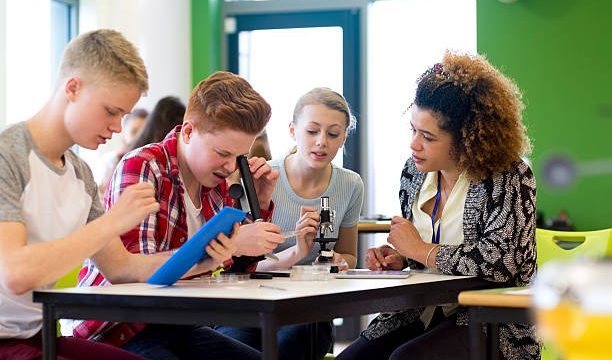
Another powerful tool in the educator’s toolkit is project-based learning, which allows students to engage in hands-on projects that require them to apply their knowledge in real-world contexts. Through collaborative projects, students learn to work together, share ideas, and develop solutions to complex problems. This approach not only enhances cognitive skills but also cultivates essential social and emotional competencies. As they navigate the challenges of group dynamics, students learn valuable lessons about communication, empathy, and resilience.
Incorporating technology into the classroom can also serve as a catalyst for higher-order thinking. Digital tools and resources can provide students with access to a wealth of information and diverse perspectives. By utilizing platforms that encourage collaboration and creativity, educators can create an environment where students are empowered to express their thoughts and ideas. For example, using online discussion boards or collaborative documents allows students to engage in meaningful dialogue, analyze differing viewpoints, and construct their understanding together.
A small shift toward balance in assessments can further enhance higher-order thinking. Traditional testing methods often focus on recalling facts, but incorporating formative assessments that gauge students’ analytical skills can provide a more accurate picture of their understanding. Open-ended questions, reflective journals, and peer assessments invite students to articulate their thought processes and engage with material on a deeper level. This not only benefits students academically but also nurtures their ability to think critically and creatively.
Creating a classroom culture that values inquiry and exploration is essential for nurturing higher-order thinking. Educators can foster an environment where mistakes are viewed as opportunities for growth, encouraging students to take risks and embrace challenges. When students feel safe to express their thoughts and ideas, they are more likely to engage in thoughtful discussions and push the boundaries of their understanding. This culture of trust and support lays the foundation for lifelong learning.
Furthermore, integrating interdisciplinary approaches can enrich the learning experience and promote higher-order thinking. When students see connections between subjects, they are better equipped to synthesize information and draw meaningful conclusions. For example, a project that combines science and art can encourage students to explore the scientific principles behind a creative endeavor while developing their artistic skills. This holistic approach nurtures critical thinking and creativity, as students learn to navigate complex ideas and make connections across disciplines.
As we consider the role of educators in fostering higher-order thinking, it is crucial to highlight the importance of professional development. Teachers, too, need ongoing support and training to effectively implement these frameworks in their classrooms. By investing in their growth and providing opportunities for collaboration, schools can create a community of educators who are equipped to inspire and engage their students.
Ultimately, the journey toward fostering higher-order thinking is a collaborative one, involving educators, students, and families. When families are engaged in the learning process, they can reinforce these skills at home, creating a seamless connection between school and everyday life. Encouraging discussions around current events, supporting hobbies that promote creativity, and fostering a love for reading can all contribute to a nurturing environment for higher-order thinking.
In conclusion, teaching frameworks that promote higher-order thinking are essential for preparing students for a complex and rapidly changing world. By embracing inquiry-based learning, project-based learning, and technology integration, educators can cultivate a classroom environment that values curiosity, critical analysis, and creativity. As we strive to inspire our students to think deeply and independently, we are not only preparing them for academic success but also equipping them with the skills they need to navigate life’s challenges with confidence and resilience. The journey may be ongoing, but the rewards of fostering higher-order thinking are immeasurable, enriching both the educational experience and the lives of our students.