High-Intensity Interval Training, or HIIT, has become a popular fitness approach because of its efficiency, versatility, and effectiveness.
Unlike traditional workouts, HIIT focuses on short bursts of intense effort alternated with periods of rest or lighter activity.
This structure challenges the cardiovascular system, builds strength, and improves endurance in a relatively short amount of time. While the fundamentals of HIIT are straightforward, there are numerous ways to keep sessions fresh, engaging, and motivating. Exploring new HIIT concepts can prevent boredom, encourage consistency, and help individuals enjoy the full benefits of this dynamic training method.
One approach to keeping HIIT sessions fresh is to experiment with different movement patterns. Traditional exercises such as squats, lunges, push-ups, and mountain climbers are highly effective, but they can be varied in countless ways. Adding lateral movements, rotational twists, or plyometric variations like jump squats and skater hops engages different muscle groups and provides a novel challenge. By introducing new movement patterns, workouts feel dynamic and exciting while promoting balanced fitness and coordination.
Short, targeted intervals are another way to make HIIT more engaging. Instead of using uniform periods of effort and rest, varying the length of each interval can challenge the body in new ways. For example, alternating twenty seconds of high-intensity activity with ten seconds of rest for one round, and then switching to thirty seconds of effort followed by twenty seconds of active recovery in the next round, keeps the heart rate fluctuating and prevents the session from feeling repetitive. This approach not only maintains interest but also encourages improved cardiovascular efficiency.
Incorporating bodyweight exercises that mimic real-life movements can add a functional element to HIIT. Movements such as step-ups, side lunges, or bear crawls improve strength, stability, and mobility, translating to better performance in everyday activities. Functional HIIT emphasizes movements that are both practical and challenging, allowing participants to build fitness that supports daily life. These exercises can be modified for different levels, making them accessible to beginners while still providing opportunities for progression for more experienced participants.
Using props or household items can transform a standard HIIT session into a more creative and enjoyable experience. Chairs, water bottles, resistance bands, or towels can be integrated into exercises to add resistance, instability, or support. For instance, performing tricep dips on a sturdy chair, using a resistance band for squats, or sliding feet along a towel for lunges adds variety and complexity without requiring expensive equipment. This creative approach encourages experimentation and keeps the workouts feeling fresh.
Music and rhythm can also enhance the enjoyment of HIIT. Selecting upbeat tracks or using a metronome to time intervals adds energy and structure to the session. Coordinating movements with the beat of the music can make exercises feel more fluid and engaging. Music not only motivates but also helps participants maintain pacing and intensity, turning a workout into an immersive, enjoyable experience.
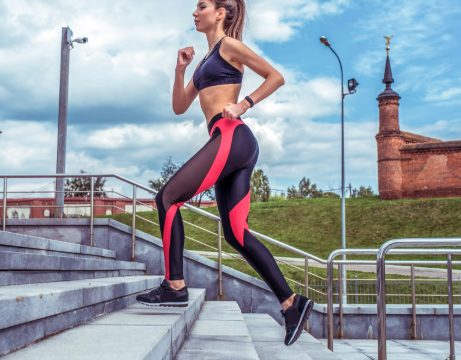
Outdoor HIIT sessions introduce another layer of freshness. Performing intervals in a park, on a trail, or in a backyard provides natural scenery, fresh air, and varied terrain. Outdoor environments encourage movement adaptations such as sprinting uphill, stepping over natural obstacles, or incorporating agility drills into the workout. The combination of physical effort and exposure to nature contributes to both cardiovascular fitness and mental well-being, making outdoor HIIT sessions invigorating and rewarding.
Short, themed HIIT circuits are another concept that keeps workouts interesting. Each session can focus on a particular area, such as core strength, lower-body power, or upper-body endurance. Themed circuits allow participants to explore specific fitness goals while maintaining the intensity and rhythm of HIIT. For example, a core-focused session might include planks, bicycle crunches, and mountain climbers, while a lower-body session could feature squats, lunges, and jump squats. These focused approaches provide variety and a sense of purpose in each session.
Interval modifications offer additional ways to innovate within HIIT. Adjusting work-to-rest ratios, changing exercise intensity, or alternating between low- and high-impact movements can be tailored to individual energy levels, goals, or schedules. Beginners may benefit from longer recovery periods and lower-intensity movements, while more experienced participants can increase work intervals, reduce rest, or add explosive exercises. This flexibility ensures that HIIT remains challenging and motivating for a wide range of fitness levels.
Social engagement can make HIIT more interactive and enjoyable. Partner exercises, small group sessions, or virtual challenges provide accountability, motivation, and a sense of connection. Working out with others introduces friendly competition and encourages participants to push themselves safely while keeping the session fun. Sharing progress, cheering each other on, or trying partner exercises such as medicine ball passes or synchronized movements adds novelty and energy to the workout.
Mindfulness during HIIT is an often-overlooked way to enhance the experience. Paying attention to posture, breathing, and movement quality ensures exercises are performed safely and effectively. Mindful engagement allows participants to notice improvements in stamina, coordination, and flexibility. By focusing on the present moment, each interval becomes more intentional, and the session becomes a balanced combination of physical effort and mental awareness.
Tracking progress and celebrating small milestones helps sustain motivation. Recording rounds completed, exercises performed, or total session duration provides tangible evidence of improvement. Observing gradual increases in endurance, speed, or ease of movement reinforces the value of consistent practice and encourages continued participation. Celebrating personal achievements, no matter how minor, contributes to a sense of accomplishment and reinforces a positive mindset toward HIIT.
Recovery remains an integral part of HIIT, even in creative sessions. Short periods of active recovery, such as light jogging, gentle marching, or dynamic stretching, allow the heart rate to stabilize and muscles to recover while keeping the body moving. Proper recovery enhances performance, prevents fatigue, and reduces the risk of injury. Integrating mindful breathing or stretching during recovery also supports flexibility and mental relaxation, creating a balanced and sustainable routine.
Fresh HIIT concepts can also incorporate challenges that encourage progression over time. For example, gradually increasing interval duration, adding repetitions, or experimenting with new movements introduces gradual difficulty without overwhelming the participant. These incremental challenges keep the body adapting and growing stronger while maintaining a sense of achievement and enjoyment. By exploring new ideas and approaches, HIIT sessions remain stimulating and motivating.
In conclusion, exploring fresh HIIT concepts is an excellent way to keep workouts engaging, effective, and enjoyable. By experimenting with movement variations, creative use of props, music, outdoor environments, themed circuits, and interval modifications, participants can maintain motivation while improving cardiovascular fitness, strength, and endurance. Social interaction, mindfulness, progress tracking, and proper recovery enhance the overall experience and support long-term adherence. HIIT is more than a workout; it is a dynamic and versatile approach to fitness that can be adapted to personal preferences, energy levels, and goals. By embracing these fresh concepts, individuals can enjoy invigorating sessions that challenge the body, uplift the mind, and foster a consistent, health-focused routine.