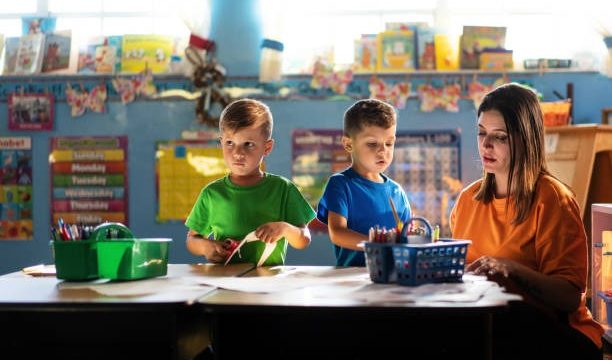
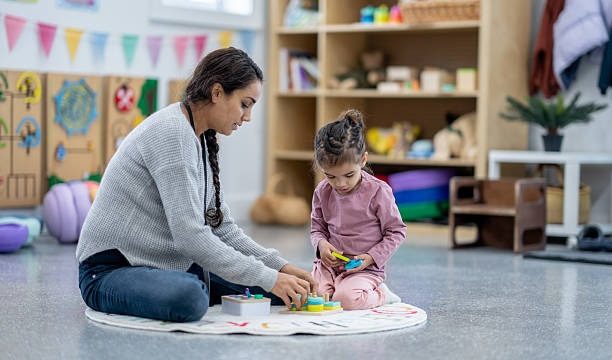
In a world that constantly evolves, the foundation of a child’s confidence often begins in the nurturing environment of kindergarten.
During these formative years, children embark on a journey of discovery, learning not just academic skills but also the essential life skills that shape their self-esteem and resilience.
Kindergarten activities play an invaluable role in this process, providing opportunities for children to explore, express, and grow.
Creating a supportive atmosphere is key to fostering confidence. When children feel safe and encouraged, they are more willing to take risks and embrace new challenges. Simple activities can ignite a spark of self-assurance and help young ones realize their capabilities. Let’s explore some engaging kindergarten activities that can inspire confidence in children.
One of the most effective ways to build confidence is through creative expression. Art activities, such as painting, drawing, or crafting, allow children to express their thoughts and feelings in a tangible way. When a child picks up a paintbrush or molds a piece of clay, they enter a world where their imagination takes the lead. Encouraging them to showcase their artwork not only validates their efforts but also gives them a sense of accomplishment. This simple act of sharing can be a powerful confidence booster, reminding children that their unique perspectives are valued.
Another enriching experience can be found in storytelling and dramatic play. These activities invite children to step into different roles and explore various scenarios, helping them develop empathy and social skills. When children engage in storytelling, they learn to articulate their thoughts and feelings, which enhances their communication skills. Setting up a small stage or a cozy reading nook can transform the classroom into a space where children feel free to express themselves. This playful exploration of narratives allows them to gain confidence in their ability to connect with others, a vital skill that extends beyond the classroom.
Physical activities also play a significant role in building confidence. Simple games that involve teamwork, such as relay races or obstacle courses, can teach children the importance of collaboration and perseverance. As they navigate challenges together, they learn to support one another and celebrate collective achievements. Emphasizing the joy of participation rather than just winning helps children appreciate their efforts, fostering a sense of belonging and self-worth.
Incorporating mindfulness practices into the kindergarten routine can also cultivate a sense of inner strength. Gentle yoga sessions or breathing exercises can help children learn to manage their emotions and stay grounded. By introducing them to the concept of mindfulness, they can develop tools to navigate stress and anxiety, enhancing their emotional resilience. These practices can be as simple as taking a few moments to breathe deeply or stretching in a circle, creating a calm environment conducive to learning and exploration.
Another wonderful avenue for building confidence is through problem-solving activities. Puzzles, building blocks, and simple science experiments encourage children to think critically and develop their reasoning skills. When faced with a challenge, children learn to approach problems with creativity and persistence. Celebrating their successes, no matter how small, reinforces their belief in their ability to overcome obstacles. This sense of achievement becomes a building block for their self-confidence, showing them that they can tackle challenges head-on.
Involving parents and caregivers in kindergarten activities can further enhance a child’s confidence. Hosting family days or workshops where parents can participate alongside their children creates a sense of community and support. When children see their loved ones engaging in activities and celebrating their achievements, it reinforces the idea that they are capable and worthy of praise. This collaborative approach fosters a positive environment where children feel encouraged to take risks and express themselves freely.
As children navigate friendships and social interactions, role-playing scenarios can also be beneficial. By practicing different social situations, such as introducing themselves or resolving conflicts, they gain valuable skills that empower them to engage positively with peers. This type of interactive learning helps them build confidence in their social abilities, preparing them for future interactions outside the classroom.
Encouraging a growth mindset is another essential aspect of nurturing confidence in young learners. Teaching children to view challenges as opportunities for growth, rather than setbacks, can significantly impact their self-esteem. When they understand that making mistakes is a natural part of learning, they become more willing to step outside their comfort zones. Simple affirmations, such as “I can try again” or “I am learning,” can help instill this mindset, empowering them to embrace challenges with enthusiasm.
Finally, creating a culture of celebration in the classroom can have a profound impact on a child’s self-confidence. Recognizing achievements, whether big or small, fosters a sense of accomplishment and pride. Celebrations can take many forms, from a simple “shout-out” during circle time to a special recognition board displaying children’s work. This culture of appreciation not only uplifts individual spirits but also strengthens the bonds within the classroom community, reminding children that they are part of something larger.
Building confidence in kindergarten is a beautiful journey, one that weaves together creativity, social interaction, and emotional growth. Through engaging activities that encourage expression, collaboration, and exploration, children can develop a strong sense of self-worth that will carry them through their educational path and beyond. As educators and caregivers, fostering this environment of support and encouragement is essential in helping young learners shine brightly in their unique ways.
In this nurturing space, every child can discover their strengths, embrace their individuality, and step boldly into the world with confidence. Through the simple joys of play, creativity, and connection, we can inspire the next generation to believe in themselves and their potential.