Understanding Elementary School Curriculum
When we think about the journey of education, the elementary school years often stand out as a time of foundational growth and discovery.
This is a period filled with curiosity, creativity, and the excitement of learning new things.
The elementary school curriculum plays a vital role in shaping young minds, providing them with the essential tools they need to navigate their educational path and beyond.
At its core, the elementary school curriculum is designed to foster a love of learning while ensuring that children develop critical skills across various subjects. The curriculum is typically structured to cover key areas such as language arts, mathematics, science, and social studies, each contributing to a well-rounded education. However, it is not merely a checklist of subjects; it is an intricate tapestry that weaves together knowledge, skills, and personal development.
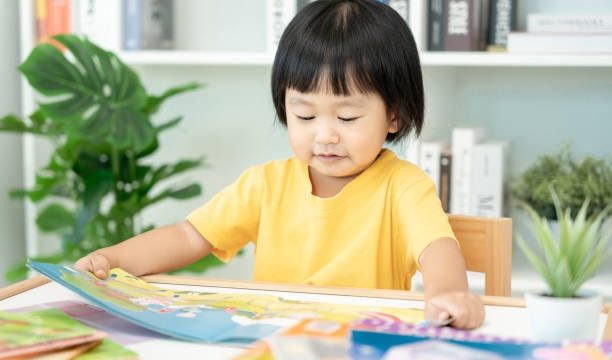
A gentle foundation in language arts serves as the cornerstone of early education. Children explore the world of reading and writing, discovering the joy of storytelling and the power of expression. Through engaging literature, they learn to connect with characters and ideas, developing empathy and understanding of diverse perspectives. Writing activities encourage creativity, allowing young learners to articulate their thoughts and feelings. As they progress, children refine their language skills, gaining confidence in their ability to communicate effectively.
Mathematics is another pivotal component of the elementary school curriculum, introducing students to the beauty of numbers and patterns. Early math concepts build on one another, helping children develop a strong numerical foundation. From counting and basic operations to problem-solving and reasoning, each lesson is designed to spark curiosity and foster a sense of accomplishment. The goal is not just to teach children how to solve equations but to encourage them to see math as a fun and applicable part of everyday life.
As children venture into the realm of science, they embark on an exciting journey of exploration and discovery. The curriculum often emphasizes hands-on learning, where students can engage with the world around them through experiments and observations. This experiential approach cultivates a sense of wonder and encourages critical thinking. Whether they are learning about ecosystems, the solar system, or the human body, children are encouraged to ask questions and seek answers, laying the groundwork for future scientific inquiry.
Social studies provide a window into the world, allowing children to understand their place within it. Through lessons on history, geography, and cultures, students begin to appreciate the rich tapestry of human experience. They learn about the importance of community, citizenship, and the values that bind us together. These lessons are essential not only for academic growth but for nurturing compassionate and informed individuals who can contribute positively to society.
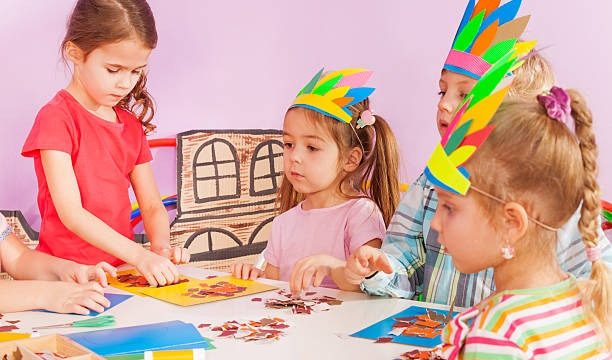
While core subjects are crucial, the elementary school curriculum often goes beyond academics to include social-emotional learning. This aspect recognizes the importance of emotional intelligence and interpersonal skills in a child’s overall development. Activities that promote teamwork, conflict resolution, and self-awareness help children build healthy relationships and navigate the complexities of their emotions. This holistic approach fosters resilience and adaptability, preparing students for the challenges they may face in and out of the classroom.
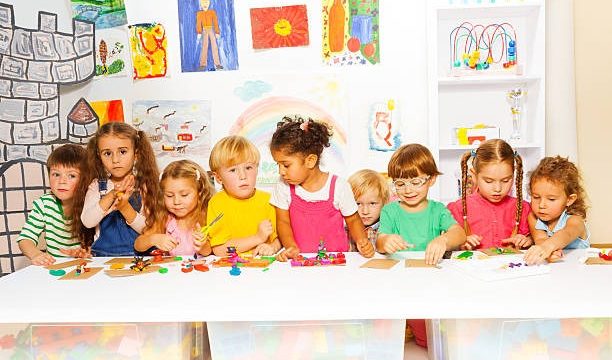
The integration of arts and physical education into the curriculum also plays a significant role in nurturing well-rounded individuals. Art classes encourage self-expression and creativity, allowing children to explore their talents and discover new passions. Music, dance, and drama contribute to a rich cultural education, enhancing cognitive skills and promoting emotional well-being. Similarly, physical education not only supports physical health but also encourages teamwork, discipline, and perseverance.
As we consider the elementary school curriculum, it is essential to acknowledge the role of educators in this process. Teachers serve as guides, mentors, and facilitators, creating an environment where students feel safe to explore and learn. Their passion and dedication can ignite a love for learning that lasts a lifetime. Collaborating with families and communities, educators work to create a supportive network that enriches the educational experience.
The journey through elementary school is a time of significant growth, both academically and personally. As children engage with the curriculum, they are not only absorbing knowledge but also developing critical life skills that will serve them well in the future. The goal is to nurture curious, confident, and compassionate individuals who are prepared to embrace the world around them.
In this ever-evolving landscape of education, it is important to remain adaptable and open-minded. The curriculum is not static; it evolves to meet the needs of society and the individual learner. As we embrace new teaching methods and technologies, we must also hold on to the values that underpin a solid education—curiosity, creativity, and compassion.
Ultimately, understanding the elementary school curriculum is about recognizing the beauty of the learning journey. It is a time filled with wonder and exploration, where children begin to understand not just the world around them, but also their place within it. By fostering a love for learning and supporting the development of essential skills, we can help children build a strong foundation for their future endeavors.
As we reflect on the importance of this early educational stage, let us celebrate the joys of curiosity and the power of knowledge. The elementary school years are just the beginning of a lifelong adventure in learning, one that holds the promise of endless possibilities. In nurturing young minds, we contribute to a brighter future for all.