How Elementary Schools Shape Young Minds
Elementary schools serve as the foundation for a child’s educational journey, playing a crucial role in shaping not just their academic skills but also their social and emotional development.
These formative years set the stage for lifelong learning, helping children develop essential skills that will guide them through their future experiences.
In a world that is constantly evolving, the importance of a nurturing and supportive environment in elementary schools cannot be overstated. It is often said that children are like sponges, absorbing everything around them. In this unique setting, they encounter a variety of influences—teachers, peers, and a diverse curriculum—all of which contribute to their growth and understanding of the world.
Creating a nurturing environment
The atmosphere within an elementary school significantly impacts how children learn and interact. A warm, welcoming environment fosters a sense of safety and belonging. When children feel secure, they are more likely to take risks in their learning, ask questions, and explore new ideas. This emotional safety is essential for encouraging curiosity, a trait that is vital for academic success and personal development.
Teachers play a pivotal role in establishing this environment. They are not just educators; they are mentors and role models who guide young minds through the complexities of early learning. By fostering positive relationships with their students, teachers can create a supportive community where children feel valued and understood. This connection not only enhances the learning experience but also encourages children to express themselves freely, laying the groundwork for effective communication skills.
Fostering creativity and critical thinking
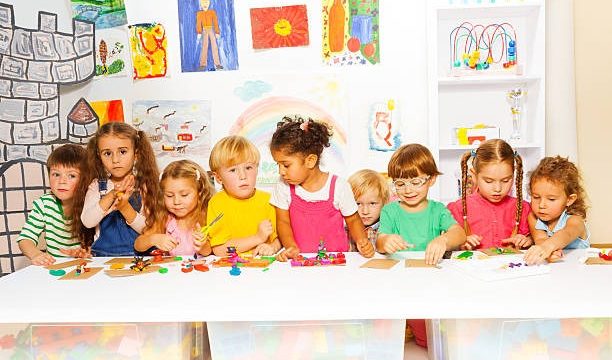
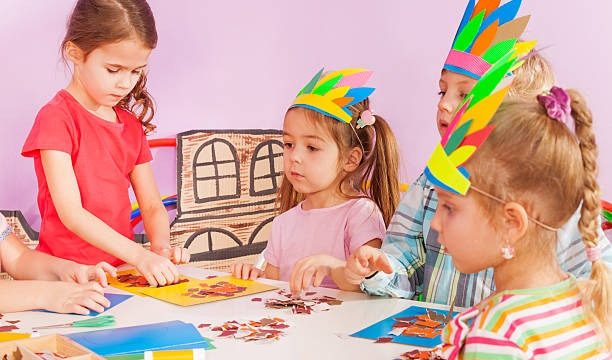
An essential aspect of elementary education is the encouragement of creativity and critical thinking. Schools that provide opportunities for artistic expression, hands-on learning, and problem-solving activities enable children to think outside the box. Engaging in creative projects, whether through art, music, or science experiments, allows children to explore their interests and develop a sense of identity.
Moreover, critical thinking is cultivated through discussions and collaborative projects where students learn to share their ideas, listen to others, and respect differing opinions. These skills are not only vital for academic success but also for navigating social interactions throughout life. By engaging in thoughtful dialogue and collaborative work, children learn the importance of teamwork and the value of diverse perspectives.
Building social skills and empathy
Elementary school is often the first time children experience structured social interactions outside of their families. As they navigate friendships and group dynamics, they learn valuable social skills that will serve them throughout their lives. Schools provide a space for children to practice sharing, cooperating, and resolving conflicts. These interactions are essential for developing empathy and understanding the feelings of others.
Teachers often incorporate lessons that emphasize kindness, respect, and inclusivity, helping students recognize the importance of treating others with compassion. Activities that promote teamwork and community service further reinforce these values, teaching children that their actions can positively impact those around them. By instilling a sense of responsibility towards others, schools help shape not only well-rounded individuals but also engaged citizens.
Encouraging a love for learning
One of the most beautiful aspects of elementary education is the opportunity to instill a lifelong love for learning. When children are exposed to a variety of subjects—from mathematics to literature to science—they begin to discover their passions and interests. Schools that prioritize exploration and curiosity over rote memorization create an environment where learning feels exciting and relevant.
Incorporating play into the learning process is another effective way to engage young minds. Play-based learning allows children to explore concepts in a hands-on manner, making education feel less like a chore and more like an adventure. This approach encourages a natural curiosity and motivates children to seek out knowledge beyond the classroom walls.
The role of parents and community
While schools play a significant role in shaping young minds, the influence of parents and the wider community is equally important. Open communication between teachers and parents fosters collaboration that enhances a child’s educational experience. When parents are involved in school activities and stay informed about their child’s progress, they create a supportive network that reinforces the lessons learned in the classroom.
Community involvement also enriches the educational experience. Field trips, guest speakers, and local partnerships can provide children with real-world connections to their studies. These experiences help children understand the relevance of what they are learning and inspire them to explore their surroundings and the world at large.
A journey of growth
As children progress through elementary school, they embark on a journey of growth that extends far beyond academics. The experiences they have, the relationships they build, and the skills they develop during these years form the foundation for their future. Schools that prioritize emotional well-being, social skills, creativity, and a love for learning are not just educating children; they are nurturing future leaders, innovators, and compassionate individuals.
In conclusion, elementary schools play a pivotal role in shaping young minds, providing a nurturing environment where creativity, critical thinking, and social skills flourish. By fostering emotional connections, encouraging exploration, and involving parents and the community, these institutions lay the groundwork for a bright future. As we recognize the importance of these formative years, we can appreciate the profound impact that elementary education has on the lives of children, shaping not only their intellect but also their character and values.