In the vibrant world of kindergarten, every day is an adventure filled with laughter, learning, and countless opportunities for discovery.
One of the most valuable skills children can develop during these formative years is problem-solving.
This essential ability not only supports academic success but also fosters resilience and creativity in everyday situations. By incorporating engaging activities into the classroom, educators and parents can nurture this skill in a fun and interactive way.
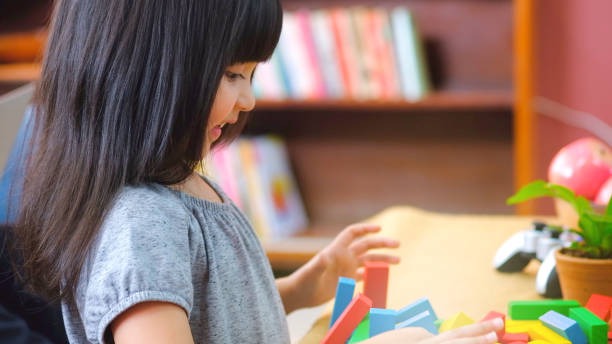
Exploring the wonders of problem-solving begins with play. Young children are natural explorers, and play provides them with a safe space to test their ideas and learn from their experiences. Simple activities like building with blocks or constructing with LEGO sets encourage children to think critically about how to create stable structures. As they experiment with various designs, they encounter challenges that require them to adjust their strategies, reinforcing the idea that mistakes are merely stepping stones to success.
Another delightful way to cultivate problem-solving skills is through storytelling. Reading stories that present a conflict or challenge allows children to engage their imagination and think about possible solutions. After sharing a story, parents or teachers can invite children to discuss what they would do if they were in the character’s situation. This not only enhances their comprehension skills but also encourages them to consider multiple perspectives and develop empathy.
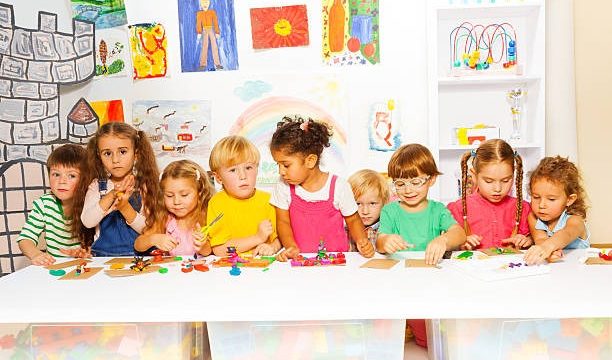
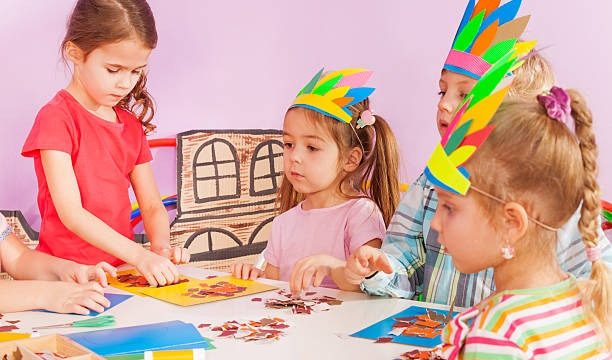
Art activities also serve as an excellent platform for problem-solving. When children are given materials like clay, paint, or recycled objects, they can express their creativity while facing design dilemmas. For instance, if a child wants to create a sculpture but struggles with balance, they might need to rethink their approach. Such moments offer invaluable lessons in persistence and innovation, teaching children that there are often several ways to tackle a problem.
Engaging in science experiments can also ignite a child’s curiosity and hone their problem-solving abilities. Simple experiments, such as mixing baking soda and vinegar to create a fizzy reaction, allow children to hypothesize outcomes and observe cause-and-effect relationships. When they encounter unexpected results, they learn to ask questions, analyze their observations, and draw conclusions. This scientific inquiry not only deepens their understanding of the world but also builds their confidence in tackling challenges.
Outdoor exploration is another wonderful way to foster problem-solving skills. Nature is full of surprises, and the great outdoors invites children to engage with their surroundings in meaningful ways. Activities like scavenger hunts or obstacle courses encourage kids to think critically as they navigate their environment. When faced with a physical challenge, such as climbing over a log or finding a hidden object, children are prompted to devise strategies and work collaboratively with their peers. This not only enhances their problem-solving skills but also promotes teamwork and communication.
Incorporating music and movement into the kindergarten experience can also support problem-solving development. Dance and rhythm activities often involve following patterns or creating sequences, which require children to think ahead and make decisions. For instance, a simple game of freeze dance allows kids to explore the concept of stopping and starting while encouraging them to listen, anticipate, and respond. Through these playful interactions, children learn to adapt and overcome challenges in a joyful way.
As they navigate their daily activities, children can also develop problem-solving skills through social interactions. Group projects or collaborative games encourage them to express their ideas and negotiate solutions with their peers. When conflicts arise, guiding children to communicate their feelings and brainstorm resolutions together fosters essential life skills. This practice not only enhances their emotional intelligence but also empowers them to approach future challenges with confidence.
Incorporating technology into learning can also be a beneficial tool for fostering problem-solving skills. Age-appropriate educational apps and games can engage children in interactive problem-solving scenarios. These digital platforms often present puzzles or challenges that require critical thinking and creativity. Parents and educators can facilitate discussions around these activities, helping children to reflect on their thought processes and strategies. This blend of technology and traditional learning offers a modern approach to nurturing problem-solving abilities.
Ultimately, the key to teaching problem-solving in kindergarten lies in creating an environment that encourages exploration and experimentation. Children thrive when they feel safe to take risks and express their ideas. By providing a variety of activities that promote critical thinking, creativity, and collaboration, parents and educators can help shape resilient, resourceful young learners.
As we embrace the joys of childhood, let us remember that every challenge faced is an opportunity for growth. Whether through building, storytelling, art, science, or play, each experience offers a chance for children to refine their problem-solving skills. With gentle guidance and encouragement, we can nurture their ability to think critically, adapt, and thrive in an ever-changing world. In doing so, we prepare them not only for academic success but also for the adventures that lie ahead in life.