In the vibrant world of kindergarten, every day is a new opportunity for discovery and wonder.
Young children are naturally filled with curiosity, their minds brimming with questions about the world around them.
As caregivers and educators, nurturing this inquisitive spirit is essential for fostering a love of learning that lasts a lifetime. Encouraging curiosity and exploration in kindergarten not only enhances cognitive development but also enriches emotional and social growth.
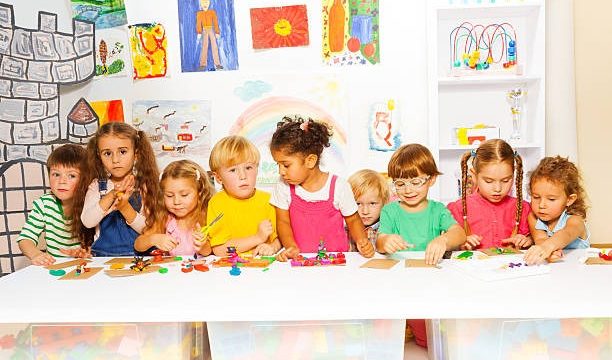
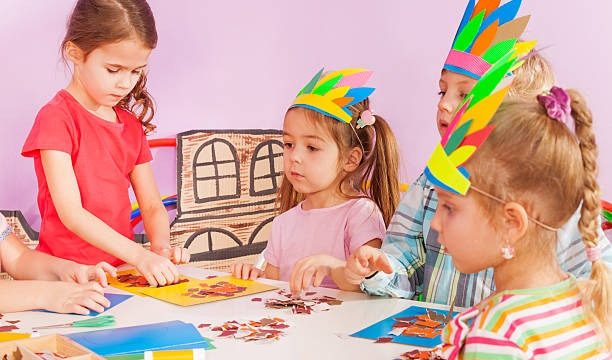
Creating a nurturing environment is the first step toward encouraging curiosity in young learners. Classrooms should be vibrant, inviting spaces filled with diverse materials and resources that spark interest. Consider incorporating a variety of learning stations where children can engage in hands-on activities. A cozy reading nook filled with books that reflect different cultures, interests, and experiences can ignite a passion for storytelling. Art supplies, science kits, and nature exploration tools can also provide endless opportunities for creative expression and experimentation.
The role of play in a child’s learning journey cannot be overstated. Play is a natural avenue through which children explore their environment and develop critical thinking skills. Allowing ample time for unstructured play encourages children to follow their interests and engage with their peers. Whether they are building a fort, engaging in pretend play, or exploring the outdoors, children learn to ask questions, solve problems, and collaborate. As educators and caregivers, it’s vital to step back and observe, allowing children to lead their own exploration while providing gentle guidance when needed.
Fostering curiosity also involves cultivating a mindset that values questions. Encouraging children to ask “why,” “how,” and “what if” opens the door to deeper understanding. When a child asks a question, responding with enthusiasm can be incredibly powerful. Rather than providing immediate answers, consider exploring the question together. This approach not only validates their curiosity but also models a love for inquiry. For instance, if a child wonders why the sky is blue, take a moment to investigate together. Gather books, look up videos, or even conduct a simple experiment to explore the answer. This way, children learn that the journey of discovery is just as important as finding the answer.
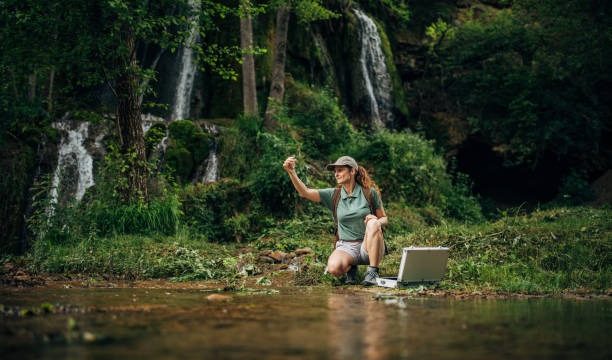
Incorporating nature into the learning experience can significantly enhance curiosity. Nature is a treasure trove of wonders waiting to be explored. Organizing nature walks or outdoor classroom sessions allows children to connect with the environment. Encourage them to observe the colors of leaves, listen to the sounds of birds, and notice the shapes of clouds. Providing magnifying glasses or simple tools for collecting natural items can further pique their interest. When children can interact with the world around them, they develop a sense of wonder that fuels their desire to learn.
Integrating community resources can also enrich the learning experience. Local museums, botanical gardens, and science centers often offer programs specifically designed for young children. These outings provide hands-on experiences that can inspire curiosity and exploration. When planning field trips, consider allowing children to take the lead in choosing what they would like to see and learn about. This empowerment fosters a sense of ownership in their learning process, making it more meaningful and engaging.
Encouragement from adults plays a crucial role in nurturing curiosity. Simple affirmations like “That’s a great question!” or “I love how you’re thinking about this!” can motivate children to continue exploring their interests. It’s important to create a safe space where children feel comfortable expressing their thoughts and ideas. When they know their voices are heard and valued, they are more likely to share their questions and engage in discussions.
Storytelling is another powerful tool for igniting curiosity. Books can transport children to different worlds, introduce them to new concepts, and inspire imaginative thinking. Reading aloud allows children to engage with the narrative, ask questions, and predict what might happen next. Encourage discussions about the stories by asking open-ended questions that prompt children to think critically. “What would you have done if you were in the character’s shoes?” or “How do you think the story might change if…?” can lead to rich conversations that deepen understanding and stimulate imagination.
The integration of technology can also support curiosity in a balanced way. While screen time should be limited, there are many educational apps and websites designed to spark interest in various subjects. Interactive games and videos can complement hands-on activities and provide alternative ways for children to learn. When introducing technology, it’s essential to select age-appropriate content and engage with children as they explore. Discussing what they learn from digital resources can further enhance their critical thinking skills.
As the school year unfolds, consider the importance of reflecting on the learning experiences. Regularly taking time to discuss what children have learned and enjoyed can help solidify their understanding and interest. Creating a visual display of their projects, questions, and discoveries can serve as a constant reminder of their journey of exploration. This not only celebrates their achievements but also encourages them to continue asking questions and seeking knowledge.
Ultimately, encouraging curiosity and exploration in kindergarten is about fostering a love for learning that transcends the classroom. By creating an environment rich with opportunities for discovery, valuing questions, and integrating community resources, we can inspire young learners to embrace their natural curiosity. Every small step taken to nurture this spirit can lead to significant growth, shaping inquisitive minds ready to explore the world around them. As we guide children on their journey, we are not just teaching them facts; we are igniting a lifelong passion for learning that will serve them well in all their future endeavors.