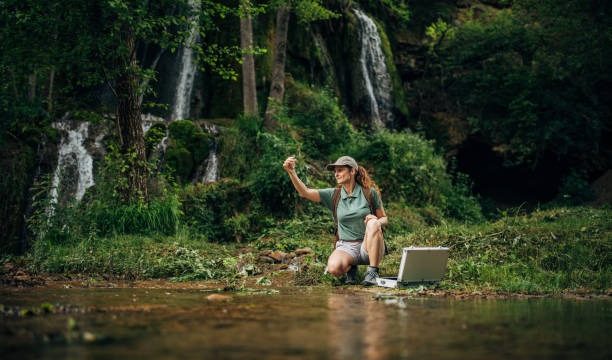
In the ever-evolving landscape of education and career opportunities, graduate studies in renewable energy and sustainability stand out as a beacon of hope and innovation.
As concerns about climate change and environmental degradation grow, more individuals are drawn to this field, not only for its professional prospects but also for the chance to make a positive impact on the world.
This journey into renewable energy and sustainability is not merely an academic pursuit; it’s a lifestyle choice that aligns with a deep-seated desire to contribute to a healthier planet.
A gentle awakening to sustainability
Many people find themselves at a crossroads, pondering how to align their career aspirations with their values. For some, this awakening comes through personal experiences, such as witnessing the effects of pollution or engaging with communities affected by environmental issues. Others may have a background in engineering, biology, or social sciences, feeling a pull toward a field that merges their skills with a purpose. Graduate studies in renewable energy and sustainability offer a unique opportunity to blend these passions and skills, leading to a fulfilling career while making a difference.
Exploring diverse pathways
One of the most appealing aspects of pursuing graduate studies in this field is the variety of pathways available. Programs often encompass a broad range of topics, including solar energy, wind power, sustainable agriculture, and environmental policy. This diversity allows students to tailor their education to their interests, whether they are drawn to the technical aspects of renewable energy systems or the social dimensions of sustainability practices. The interdisciplinary nature of these programs encourages collaboration, fostering a sense of community among students and faculty alike.
Engaging with hands-on experiences
Theory is crucial, but the real magic happens when students engage with hands-on experiences. Many graduate programs emphasize practical learning through internships, research projects, or partnerships with local organizations. These experiences not only enhance understanding but also build essential networks in the field. Imagine working on a solar panel installation for a community center or collaborating with local farmers to develop sustainable practices. These moments create lasting memories and deepen commitment to the mission of sustainability.
A focus on innovation and technology
As the world grapples with climate change, innovative technologies are emerging at an unprecedented pace. Graduate studies in renewable energy and sustainability often explore these advancements, equipping students with the knowledge to harness cutting-edge solutions. From energy-efficient building designs to smart grid technology, the curriculum is designed to inspire creative thinking and problem-solving. Graduates leave with the tools to drive change, armed with the ability to implement solutions that address environmental challenges head-on.
The importance of policy and advocacy
While technology plays a significant role in promoting sustainability, understanding the policy landscape is equally essential. Graduate programs often include courses on environmental law, policy analysis, and advocacy strategies. This education empowers students to navigate the complexities of regulations and engage with stakeholders effectively. Graduates can become advocates for sustainable practices, working with governments or non-profits to influence policies that promote environmental stewardship. This intersection of science, policy, and social impact creates a well-rounded perspective, essential for tackling today’s challenges.
Building a supportive community
Embarking on graduate studies can be a transformative experience, not just academically but personally. Students often find themselves in a nurturing environment where collaboration is encouraged. Engaging with peers who share similar passions fosters a sense of belonging and camaraderie. These relationships can lead to lifelong friendships, partnerships in future projects, or collaborations that extend far beyond the classroom. The supportive community extends to faculty members who are often practitioners in the field, offering mentorship and guidance as students navigate their academic and professional journeys.
A commitment to lifelong learning
The field of renewable energy and sustainability is dynamic and ever-changing. As new technologies emerge and societal needs evolve, a commitment to lifelong learning becomes essential. Graduate studies instill a mindset of curiosity and adaptability, encouraging individuals to stay informed about the latest trends and developments. This dedication to continuous improvement not only enhances career prospects but also enriches personal growth, as individuals seek to understand their role in a larger, interconnected system.
Finding purpose in your career
For many, choosing to pursue graduate studies in renewable energy and sustainability is about more than just a job; it’s about finding purpose. The work in this field often resonates deeply with personal values, creating a sense of fulfillment that goes beyond financial gain. Whether it’s contributing to a cleaner environment, advocating for social justice, or advancing technology, each step taken in this journey can lead to profound personal satisfaction. Graduates often reflect on their experiences with gratitude, knowing they are part of a global movement toward a more sustainable future.
Embracing the journey
As you consider graduate studies in renewable energy and sustainability, it’s essential to embrace the journey ahead. Each step, from choosing a program to engaging with projects, will shape your understanding of the field and your place within it. The challenges may be daunting, but the rewards are immeasurable. You’ll not only gain knowledge and skills but also become part of a broader community dedicated to making the world a better place.
In conclusion, graduate studies in renewable energy and sustainability offer a unique blend of academic rigor, practical experience, and personal growth. This field invites individuals to explore their passions, engage with innovative technologies, and advocate for meaningful change. As the world continues to face environmental challenges, pursuing a career in this area becomes not just an educational endeavor but a lifestyle choice that reflects a commitment to a sustainable future. Whether you’re just starting your journey or contemplating a shift in your career, the world of renewable energy and sustainability awaits, ready to welcome you with open arms.