In today’s fast-paced world, the way children learn is evolving, and so too must the methods we use to teach them.
Innovative teaching strategies are not just about incorporating technology or trendy techniques; they are about fostering an environment where children feel engaged, motivated, and curious.
The key lies in understanding the unique needs of each child and creating an atmosphere that nurtures their individual learning styles.
A gentle invitation to creativity
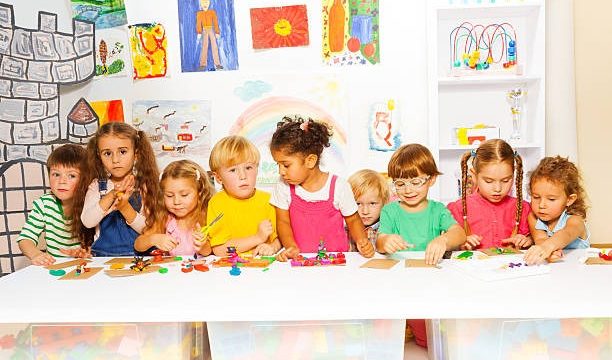
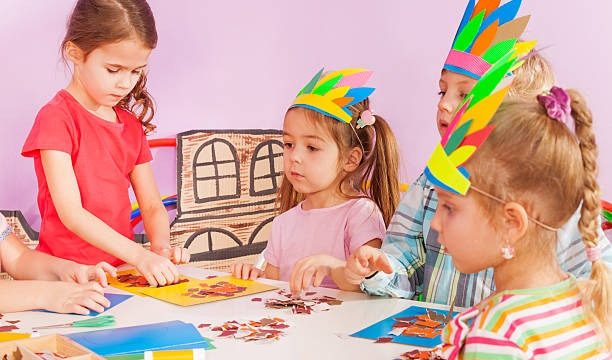
One of the most effective ways to inspire learning in children is to encourage creativity. When kids are given the freedom to express themselves through art, music, or storytelling, they are more likely to engage with the material being taught. Creative projects can transform a standard lesson into an adventure. For instance, instead of reading about the solar system in a textbook, imagine a classroom where students create models of planets using recycled materials. This hands-on approach not only makes learning more enjoyable but also allows children to grasp complex concepts in a tangible way.
Incorporating play into learning
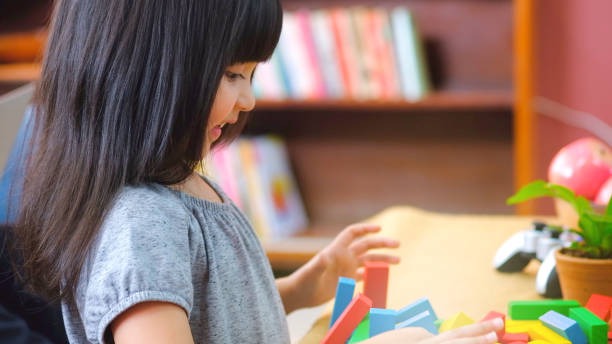
Play is often seen as a distraction from serious learning, but it can actually be a powerful educational tool. Integrating play into lessons helps children absorb information more effectively. When kids are allowed to explore concepts through games and playful activities, they develop critical thinking and problem-solving skills. Simple math games or word puzzles can turn a dull lesson into an exciting challenge. This playful approach not only fosters a love for learning but also helps children retain information longer.
Fostering collaboration and community
In a world that increasingly values teamwork and collaboration, teaching children to work together is essential. Group projects can provide children with the opportunity to learn from one another, share ideas, and develop social skills. By creating a sense of community in the classroom, teachers can help children understand the importance of diverse perspectives. Collaborative learning encourages empathy and communication, vital skills that will serve them well throughout their lives.
Encouraging inquiry-based learning
Curiosity is a natural trait in children, and harnessing this can lead to profound learning experiences. Inquiry-based learning allows students to ask questions, explore, and discover answers on their own. By posing open-ended questions and encouraging exploration, teachers can guide students in their quest for knowledge. This method nurtures a love for learning and cultivates independent thinkers. When children feel empowered to seek out answers, they develop a sense of ownership over their education.
Integrating technology thoughtfully
Technology has become an integral part of our lives, and incorporating it into the classroom can enhance learning experiences. However, it’s essential to do so thoughtfully. Tools like educational apps, interactive whiteboards, and online resources can complement traditional teaching methods. The key is to use technology as a means to engage students rather than as a crutch. By blending digital resources with hands-on activities, teachers can create a dynamic learning environment that appeals to various learning styles.
A small shift toward balance
While innovation is key in the classroom, it’s equally important to maintain balance. A focus on mental wellness and emotional health can greatly enhance the learning experience. Integrating mindfulness practices, such as meditation or simple breathing exercises, can help children manage stress and improve their concentration. By creating a calm and supportive environment, educators can help students feel more secure and ready to learn. This balance promotes not only academic success but also emotional resilience.
Celebrating diversity in learning styles
Every child is unique, with their own strengths, weaknesses, and preferred learning styles. Recognizing and celebrating this diversity is essential for effective teaching. Differentiated instruction allows educators to tailor their teaching methods to meet the needs of each student. Whether a child learns best through visual aids, hands-on activities, or auditory instruction, accommodating different learning styles can lead to more meaningful learning experiences. By valuing each child’s individuality, teachers can foster a sense of belonging and confidence in their students.
Connecting lessons to real-life experiences
One of the most powerful ways to engage children in learning is by connecting lessons to their real-life experiences. When children see the relevance of what they are learning, they are more likely to engage with the material. For example, a lesson on healthy eating can be enriched by a cooking class where students prepare simple, nutritious meals. These connections not only make learning more enjoyable but also help children understand how the knowledge they acquire can be applied in their everyday lives.
Encouraging a growth mindset
Finally, instilling a growth mindset in children can transform their approach to challenges and setbacks. Teaching kids that intelligence and abilities can be developed through effort and perseverance fosters resilience. Encouraging them to embrace mistakes as learning opportunities rather than failures sets the stage for lifelong learning. By creating an environment where effort is praised and challenges are seen as part of the learning process, educators can empower children to pursue their goals with confidence.
In conclusion, innovative teaching strategies for kids are about more than just new techniques; they are about creating a nurturing and engaging environment that fosters curiosity, creativity, and collaboration. By embracing these approaches, educators can inspire a love for learning that will last a lifetime. As we continue to explore new ways to support our children’s education, let us remember that at the heart of teaching is the simple desire to ignite a passion for knowledge and growth.