In an ever-evolving world, the quest for effective education can feel like navigating a complex labyrinth.
For many children, especially those with unique learning needs, this journey can pose even greater challenges.
However, with the right special education tools, we can unlock the door to their learning potential, revealing opportunities that inspire growth and confidence.
Understanding the importance of tailored educational approaches is essential. Every child is unique, and their learning styles can vary significantly. Special education tools serve as a bridge, connecting diverse learning needs with effective teaching methods. By recognizing and embracing these differences, we can cultivate an inclusive environment where every child thrives.
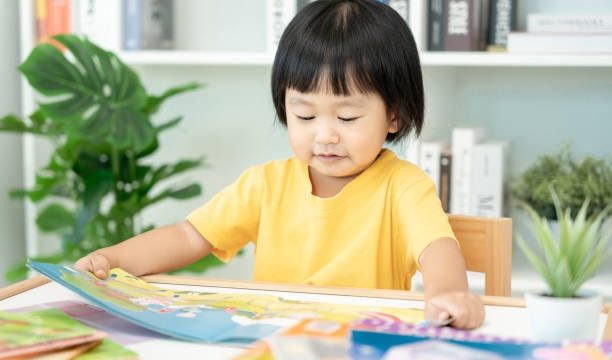
Creating connections through technology can be a game-changer. Today, a plethora of digital resources and applications are designed specifically for learners with special needs. These tools often incorporate engaging visuals, interactive elements, and adaptive learning strategies, making education a more enjoyable experience. For instance, educational apps that focus on reading and comprehension can turn what once felt like a daunting task into a fun adventure. Children can explore stories at their own pace, allowing them to develop a love for reading rather than a fear of it.
Another vital aspect of these tools is their ability to foster independence. Many special education resources are designed to empower students, encouraging them to take charge of their learning. This can be particularly beneficial for children who may struggle with traditional classroom settings. By utilizing assistive technology, such as speech-to-text software or text-to-speech applications, students can engage with materials in a way that suits their individual needs. This not only enhances their learning experience but also builds their self-esteem and motivation.
It’s important to recognize that the journey does not end with technology. Traditional tools, like visual aids and manipulatives, continue to play a significant role in special education. Items such as flashcards, charts, and hands-on learning materials can provide tangible support that helps children grasp complex concepts. These resources can be particularly effective for visual and kinesthetic learners, allowing them to engage with the material in a way that resonates with them.
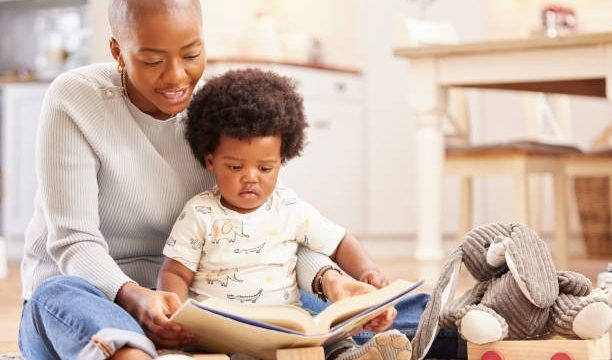
Creating a supportive environment extends beyond the tools themselves. Collaboration between educators, parents, and specialists is crucial in ensuring that each child’s unique needs are met. Open communication fosters a sense of community, where everyone is invested in the child’s success. Regular check-ins and updates can help parents feel more involved in their child’s learning journey, creating a partnership that benefits everyone.
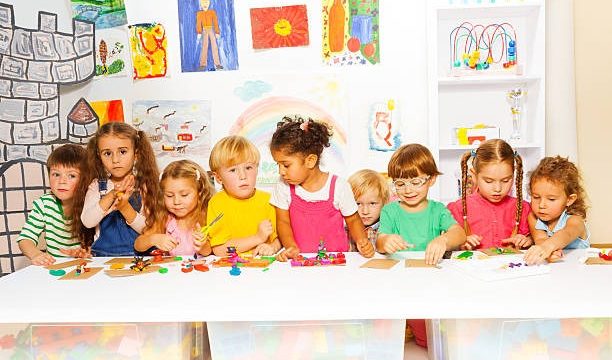
A gentle shift toward inclusivity can also make a profound difference in how children perceive their learning experiences. When classrooms embrace diversity and celebrate differences, students learn to appreciate the unique qualities of their peers. This not only enhances social skills but also creates a nurturing atmosphere where every child feels valued. Encouraging students to share their stories and experiences can foster empathy and understanding, paving the way for deeper connections and friendships.
As we explore the potential of special education tools, it’s essential to remember that the goal is not merely to improve academic performance. We aim to nurture well-rounded individuals who feel confident and capable in their abilities. This holistic approach emphasizes emotional and social development alongside academic achievements. By focusing on the whole child, we create a more balanced educational experience that prepares them for life beyond the classroom.
Incorporating mindfulness practices into the learning environment can further enhance this balance. Techniques such as deep breathing, meditation, or even simple stretching exercises can help children manage stress and anxiety. When students feel calm and centered, they are better equipped to engage with their learning materials. This emphasis on emotional well-being complements the use of special education tools, creating a comprehensive support system that promotes overall growth.
As we reflect on the myriad of resources available, it’s clear that the landscape of education is transforming. The rise of specialized tools is not just a trend; it represents a significant shift toward inclusivity and understanding. By integrating these resources into our educational practices, we can ensure that every child has the opportunity to shine.
The journey to unlocking learning potential is a shared one. With the combined efforts of educators, parents, and communities, we can create an environment where children with special needs feel empowered to explore their capabilities. As we embrace innovative tools and foster inclusive practices, we pave the way for a brighter future—one where every child can thrive.
In conclusion, the power of special education tools goes beyond mere academic support. They represent a commitment to understanding and embracing the diverse ways in which children learn. By fostering a nurturing environment, encouraging collaboration, and integrating mindfulness practices, we can unlock the true potential within each child. Together, we can create a world where learning is not just an obligation but a joyful exploration of possibilities.