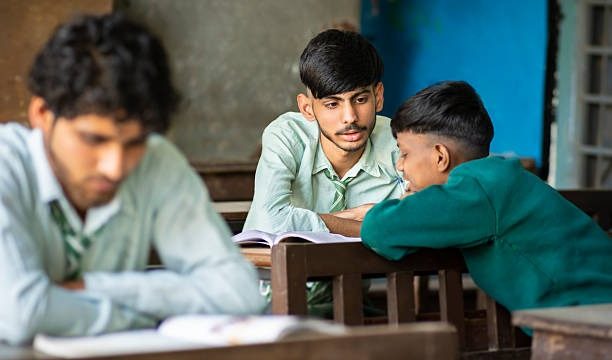
Helping Children Build Strong Learning Habits
In today’s fast-paced world, fostering strong learning habits in children has never been more essential.
As parents and caregivers, we often strive to equip our little ones with the tools they need to thrive academically and emotionally.
The journey of nurturing these habits is not just about academic success; it’s about instilling a love for learning that will last a lifetime.
Creating a warm and positive environment is the first step in this journey. Children are naturally curious, and when they sense that their home is a place filled with support and encouragement, they are more likely to explore new ideas and concepts. A cozy reading nook or a designated homework space can work wonders. These spaces should feel inviting and comfortable, allowing children to associate learning with relaxation rather than stress.
A small shift toward balance can also make a significant impact. It’s important to find that sweet spot between structure and flexibility. Establishing a routine helps children know what to expect, providing them with a sense of security. However, within that routine, there should be room for spontaneity. For instance, if your child shows an interest in a particular subject, take the time to explore it together, even if it means stepping outside the usual schedule. This balance nurtures their natural curiosity and reinforces the idea that learning can be an enjoyable adventure.
Encouraging a growth mindset is another vital aspect of building strong learning habits. Children often encounter challenges that can be discouraging. It’s crucial to help them understand that mistakes are a part of the learning process. By framing setbacks as opportunities for growth, you empower them to persevere. Celebrate their efforts, regardless of the outcome, and remind them that each attempt brings them one step closer to mastery. This mindset not only fosters resilience but also cultivates a lifelong passion for learning.
Involving children in the goal-setting process can also be incredibly beneficial. When they have a hand in setting their own learning objectives, they are more likely to feel invested in their progress. Simple conversations about what they hope to achieve academically or personally can ignite their motivation. Encourage them to break larger goals into smaller, manageable steps, and celebrate each milestone they reach. This approach not only builds confidence but helps them understand the value of persistence and dedication.
Creating a culture of curiosity can be a delightful way to enhance learning habits. Encourage open discussions about various topics, from science to art, and allow your child to express their thoughts and opinions. Engage in activities that promote exploration, such as visiting museums, attending workshops, or simply taking nature walks. These experiences can spark new interests and deepen their understanding of the world around them. When children see learning as a shared journey rather than a solitary task, they are more likely to remain engaged and enthusiastic.
Another essential element is to model positive learning behaviors. Children are keen observers, often mirroring the actions of adults in their lives. When they see you reading, exploring new hobbies, or engaging in lifelong learning, they are more likely to adopt similar habits. Share your own learning experiences, whether it’s tackling a new recipe or diving into a novel. This not only sets a powerful example but also opens up opportunities for meaningful conversations about the joys and challenges of learning.
In the digital age, it’s vital to find a balance between screen time and hands-on learning. While technology can enhance education in many ways, it’s important to ensure that it doesn’t replace traditional learning experiences. Encourage your child to engage in creative play, arts and crafts, or physical activities that stimulate their imagination. These activities help develop critical thinking skills and foster creativity, which are essential components of strong learning habits.
Establishing a regular reading routine can also be a cornerstone of developing solid learning habits. Reading not only enhances vocabulary and comprehension skills but also opens doors to new worlds and ideas. Make reading a shared experience by setting aside time each day to enjoy books together. Discuss the stories, characters, and themes, allowing your child to express their thoughts. This practice not only strengthens their analytical skills but also creates cherished moments of connection.
As children grow, it’s essential to encourage self-reflection. Teach them to take a step back and assess their learning experiences. What strategies worked well? What challenges did they face? This reflective practice helps them become more aware of their learning styles and preferences. As they learn to evaluate their own progress, they will become more self-directed learners, capable of adapting their approaches as needed.
In fostering strong learning habits, it’s essential to recognize the importance of emotional well-being. Encourage your child to express their feelings and thoughts openly. When they feel safe sharing their emotions, they are better equipped to handle the ups and downs of learning. Create a supportive environment where they can discuss their fears or frustrations, allowing you to provide guidance and reassurance. This emotional foundation will empower them to face academic challenges with confidence.
Ultimately, building strong learning habits in children is a journey filled with exploration, encouragement, and love. By creating a nurturing environment, promoting a growth mindset, and modeling positive behaviors, we can help our children develop a lifelong passion for learning. Every small step taken together is a building block for their future, paving the way for a rich and fulfilling educational experience. As they navigate their own paths, they will carry these habits with them, ready to embrace the world of knowledge that awaits.